
Key takeaways
- Wolverine abandons Insomniac's open-world formula for a 15-to-18-hour linear experience modeled on Uncharted and classic God of War.
- The game's X-Men narrative exploring mutant persecution through characters like Mystique and Leech carries thematic weight, though the story spreads itself thin reaching for sequel potential.
- Combat feels snappy and rhythmic within flow states but suffers from limited movesets and repetitive enemy design with few mechanical surprises.
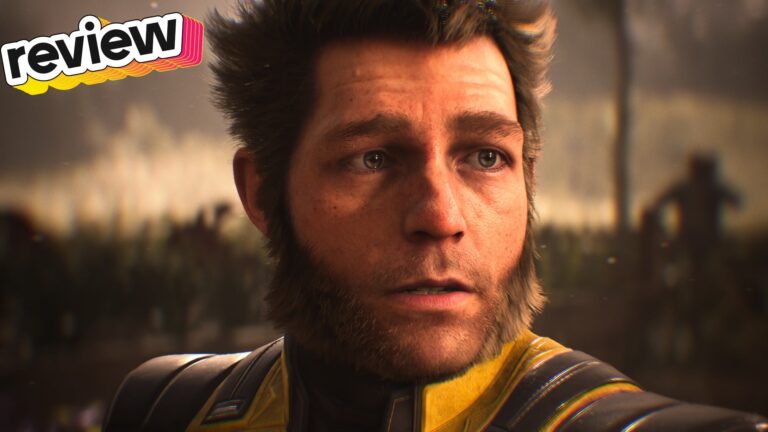
Insomniac Studios’ sharp departure from its open-world superhero template marks Marvel’s Wolverine as something unexpected within Sony’s lineup. Where the studio’s Spider-Man trilogy prioritized sprawling urban spaces and web-swinging freedom, Wolverine trades that philosophy for a tightly constructed, linear journey modeled on the cinematic action of titles like Uncharted and the original God of War trilogy. The shift feels deliberate, almost defiant, against an industry obsessed with inflating playtime through endless systems and open-world busywork. For a 15-to-18-hour campaign, this focused approach largely succeeds in avoiding that trap, though it exchanges one set of limitations for another.
The X-Men Story Without X-Men
Wolverine functions most effectively when it commits to telling an X-Men narrative, yet it consistently pulls away from that foundation. Team X—comprising Logan, the shapeshifter Mystique, the savage Sabretooth, and the telepath Nathaniel Essex (voiced by Troy Baker)—finds itself embroiled in a conspiracy orchestrated by scientist Bolivar Trask to systematically capture and round up mutants across the globe. The political dimensions resonate: scenes depicting mutants shoved into detention vans while anti-mutant demagogues argue that superpowered beings threaten human civilization—despite active mutants comprising less than one percent of the population—echo rhetoric that marginalizes immigrants and transgender people.
Mutant Persecution Across Time
The X-Men’s foundational themes of prejudice and persecution remain timeless even as the franchise grapples with whether Holocaust-survivor Magneto’s backstory makes sense in a contemporary setting. Wolverine sidesteps this dilemma by grounding anti-mutant persecution in the ongoing, systemic nature of discrimination itself. Each character embodies this differently. Mystique must constantly disguise herself, existing as others more than as her true self. Leech, a young mutant with green, alien-like features, contends not just with physical alienation but with the isolation of suppressing the abilities of any mutant nearby through proximity alone. Walter Langkowski, Team X’s resident scientist, endures second-class treatment from his peers precisely because his X-gene remains dormant—a reminder that marginalization extends even to those whose mutation offers no visible markers.
The Story’s Structural Ambition
Yet for all this thematic richness, Wolverine struggles under the weight of its narrative ambitions. The game packs multiple X-Men storylines alongside Logan’s personal journey in ways reminiscent of the MCU’s recent stumbles, expanding outward into potential sequels and spinoff material when the core mutant conflict would have sufficed. The result feels less like a complete story and more like infrastructure for a franchise expansion.
Logan’s Complicated Inner World
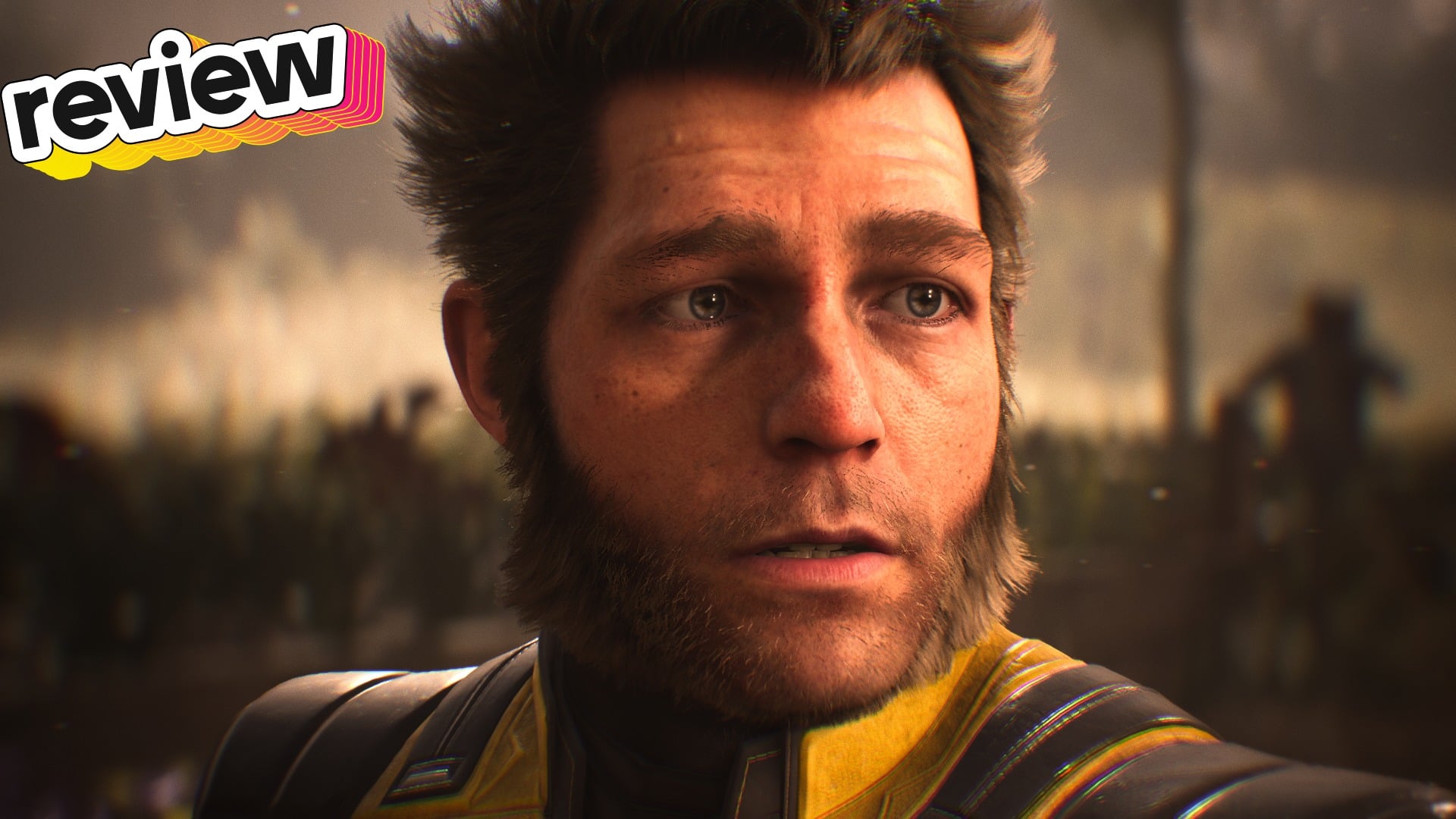
Liam McIntyre’s portrayal of Wolverine defies expectation by taming Logan’s legendary rage. Rather than the uncontrollable berserker familiar from comics and prior adaptations, McIntyre renders Logan empathetic and gentle—particularly toward young mutants like Leech who carry their own trauma. Logan remains trapped behind a psychological block concerning events in his centuries-long life. As this mental barrier fractures throughout the campaign, Jean Grey’s presence only deepens the mystery of what Logan has suppressed.
The dynamic between Logan and Jean unfolds as tragic, tropey romance—the kind of star-crossed lover narrative that either delights or exhausts depending on personal tolerance for angst. Without spoiling specifics, their relationship takes a sharp turn from the typical Scott Summers complications and moves into territory that reads like passionate fanfiction: two people torn between duty, trauma, and an inexplicable connection neither fully understands. The game deliberately avoids alleviating the sexual tension through physical consummation, instead positioning Jean as the noble figure absorbing Logan’s pain. Their chemistry is insisted upon by circumstance and misfortune as much as destiny.
Combat and Mechanical Simplicity
The mechanical simplicity of Wolverine’s combat provides a striking counterpoint to its narrative complexity. Logan, rendered essentially indestructible by his healing factor, slashes through enemies with effortless precision. When the rhythm clicks—when the player achieves flow state amid waves of armed goons and Sentinel units—the combat sings with snappy, rhythmic satisfaction. Parrying incoming attacks and retaliating with flourishes of adamantium-tipped brutality carries undeniable appeal. Nightmare Door sequences, which unlock Logan’s suppressed memories through physical trials like obstacle courses or waves of twenty-five enemies, surprise with how engaging the violent spectacle becomes.
The Problem of Repetition
This satisfaction masks a deeper design limitation. Wolverine’s move set remains narrow; unlocks distribute roughly equally to every player at similar checkpoints, eliminating meaningful playstyle variation. Enemy variety suffers from identical tactical approaches and shared vulnerabilities. Most foes fall to the same claw swipe, and once Logan’s Rage meter fills, a single vicious takedown handles nearly everything. Winning fights becomes less about improvisation and more about repetition—slash, parry, slash again, unleash a Rage takedown, repeat. The armor keeps score by visibly retaining the blood of defeated enemies, creating atmospheric flavor without substantive gameplay variation.
The Glimpses of Possibility
Yet there are moments that hint at what a more varied approach might have yielded. A fight atop a moving motorcycle, or a party infiltration sequence in which Jean and Logan, disguised through her psychic powers, navigate espionage reminiscent of James Bond films, searching for answers while remaining unrecognizable to anyone seeking them on wanted posters. These sections, though brief, suggest the game possessed more potential for varied challenge and solution-space than it ultimately exploits. A memorable boss encounter forces Logan to fight after his eyes have been gouged out, gradually recovering his sight as the battle progresses—a mechanic that at least fragments the established rhythm.
Sony’s Familiar Structure
Insomniac’s familiar formula of walk-and-talk segments returns intact: characters moving through detailed spaces, pausing to examine environmental details, uncovering collectible whisky bottles with accompanying story vignettes. These moments of narrative breathing space work to their intended effect, deepening bonds between Logan and his allies, yet they simultaneously underscore the thinness of what exists between these story beats. The game juggles multiple narrative threads at any moment, but few translate into meaningfully varied gameplay moments.
The environments themselves are structured as linear corridors punctuated by waves of enemies and trivial puzzles, absent the environmental complexity or alternative solutions that might break monotony. Wolverine is not open-world; instead, its smaller arenas evoke action platformers of earlier eras—run, jump, slash, move forward. Anything resembling a puzzle is deliberately simple, functioning more as pacing variation than genuine challenge. This streamlining, while merciful against the bloat of contemporary AAA design, leaves Wolverine operating primarily in two modes: slicing and smelling.
The Runtime as Strategic Asset
The game’s relatively short runtime of 15-to-18 hours works largely in its favor. Had Wolverine been a massive superhero game with Logan running entire cities doing odd jobs and side quests, the monotonous combat would have worn thin far more quickly. The tighter scope allows the narrative to remain the centerpiece, with mechanical simplicity serving as a vehicle for storytelling rather than an obstacle to it. In this way, Wolverine feels like a structural throwback to a simpler era when games didn’t feel obligated to consume every available moment of a player’s free time in pursuit of engagement metrics and session length.
Frequently Asked Questions
How does Wolverine's gameplay differ from Insomniac's Spider-Man games?
Wolverine trades the open-world, web-swinging freedom of Spider-Man for a linear, cinematic experience modeled on Uncharted and the original God of War trilogy. The smaller environments function as action platformer arenas rather than expansive city spaces.
Who voices Wolverine in this game?
Liam McIntyre provides a surprisingly empathetic, sedated portrayal of Logan compared to typical depictions. Troy Baker voices the villain Nathaniel Essex.
How long is Marvel's Wolverine?
The campaign runs between 15 and 18 hours, making it notably shorter than most modern AAA superhero games.
