
Key takeaways
- The remake's visual detail is technically impressive but creates an unsettling sense of excess compared to the sparse original.
- Voice acting additions make Navi and other characters speak in scenes where they were previously silent, creating dialogue that feels awkward and overwrought.
- NPCs with brief vocal exclamations and secondary characters work better than major story cutscenes in the new version.
- Despite being structurally faithful to the original, the remake feels like a fundamentally different experience across hundreds of small tonal choices.
The Nintendo Switch 2 remake of The Legend of Zelda: Ocarina of Time presents an immediate paradox. After playing through the opening hours, Kotaku’s reviewer found themselves confronted with a technically accomplished realization of a 28-year-old game that, despite its visual achievement, creates an unsettling feeling of excess.
The Visual Achievement
The Loveliest Game Nintendo Ever Made
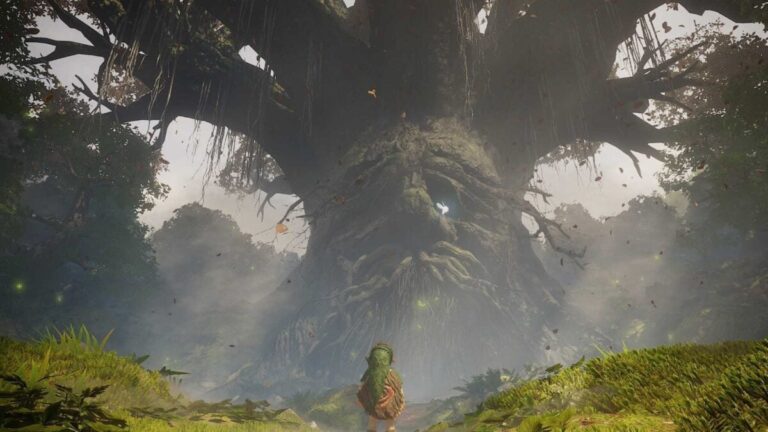
The visuals represent a substantial step forward. Individual leaves rustle as the player moves through the world. Water ripples with each step. The stitching on Link’s tunic becomes visible. Foliage reacts distinctly to movement, and NPCs respond with gentle animations when contacted. Every element receives attention to detail—the way dungeon mechanisms function, the pacing of scenes, the rendering of characters. The cumulative effect strikes the reviewer as the most technically polished game Nintendo has produced. Kokiri Forest, rendered in this level of detail, is undeniably impressive. The reviewer didn’t want to leave it initially.
The Uncomfortable Abundance
Yet something about the density feels overwhelming after experiencing the sparse original more recently. The remake creates what the reviewer describes as “just slightly uncomfortable excess.” This is not a flaw deserving criticism, but rather a recognition that imagination once filled spaces that now contain explicit visual information. The abundance of rendered detail created a wistfulness for something less saturated with information. This unease points to a more fundamental question about how visual fidelity changes the experience of a story told through a game.
Voice Acting and the Pressure to Fill Silence
Why Every Character Must Speak
The most controversial addition is voice acting. The original Ocarina of Time relied on text and player imagination. The remake adds full voice performances to every significant scene. This choice carries consequences. The reviewer notes that players who grew up with the original will always hear those characters as they were internalized decades ago. The “real” voices never quite match the internal image. But there’s a deeper mechanical issue: when Nintendo committed to voice acting, they felt compelled to ensure every character participated in every scene. That meant giving characters like Navi dialogue where they previously stood silent.
The Deku Tree Compared
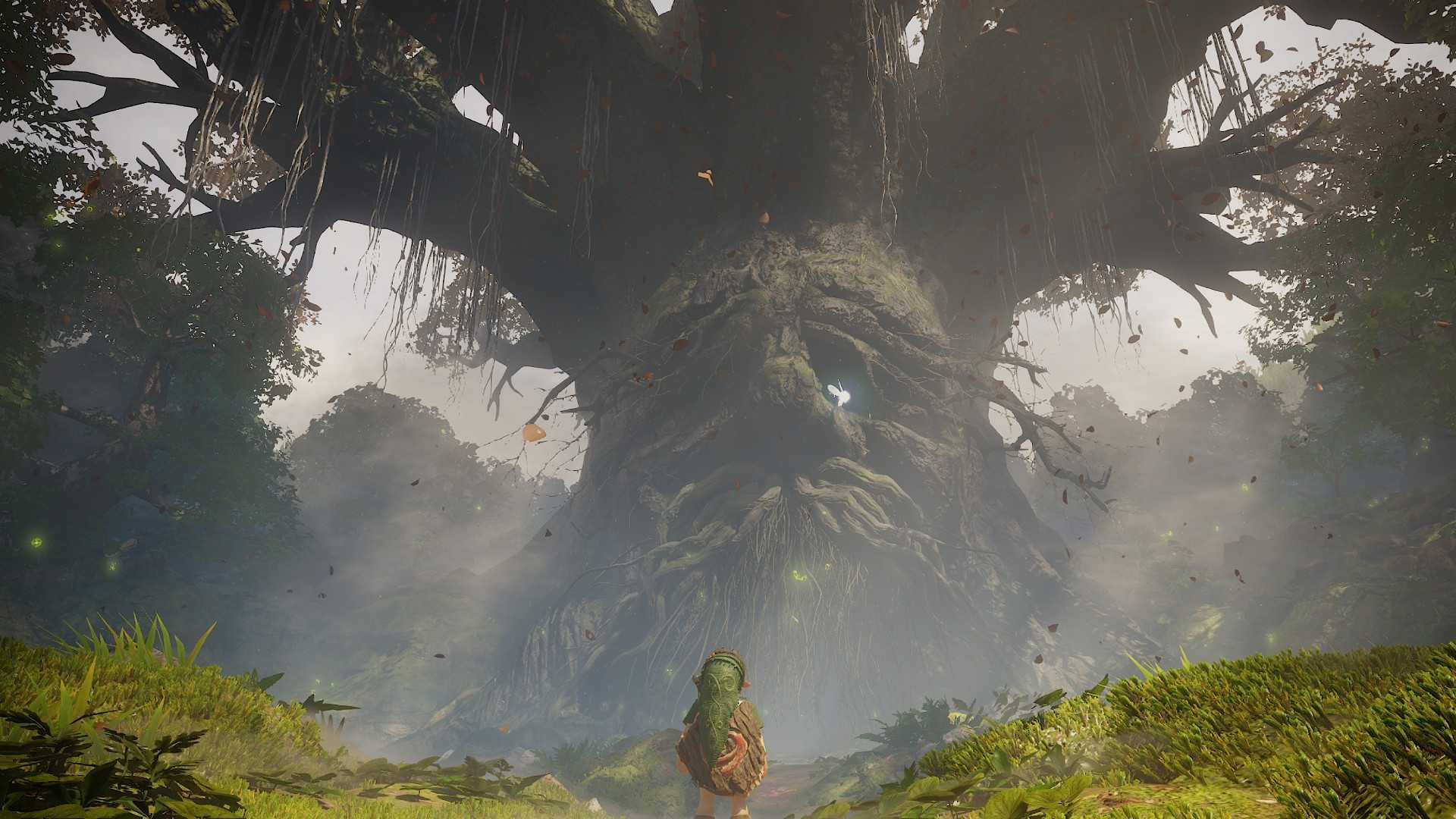
The difference becomes stark in a specific comparison. In the original game, the Deku Tree addresses Navi before meeting Link. The archaic monologue runs several paragraphs: “Navi…Navi, where art thou? Come hither…Oh, Navi the fairy…listen to my words, the words of the Deku Tree…” Navi does not speak a word until after the tree sends her on her mission. The remake version reduces the Deku Tree’s opening lines significantly and gives Navi several speaking parts. When the Deku Tree says “Navi…Little Navi, where are you?” Navi responds: “Yes, Great Deku Tree. I’m here! How can I be of service?” Despite being shorter on paper, the experience feels more verbose.
The reviewer’s analysis reveals why: the original’s grandiose language filled with “thees and thous” reads as video game writing of its era—unnecessary in its grandiosity, but consistent in tone. The new version lands as “an overwrought children’s play,” stilted in ways that feel unnatural. The major story cutscenes suffer from this problem. Dialogue that reads as awkward and padded, full of unnecessary detail and oddly formal ways of speaking, describes everything from the Deku Tree’s later lines to conversations with Saria to Kaepora Gaebora’s greeting of Link at the entrance of Hyrule Field.
Where the Changes Succeed
The Best NPCs and Secondary Characters
Not all of the voice acting integration creates problems. The NPC dialogue between major scenes functions much better. Most of these characters retain some of their original vocal character—they receive brief exclamations (“Ah!” “Oh!” “Ohhhhh?”) followed by text the player reads silently. This hybrid approach preserves the feeling of the original while adding just enough vocal flavor. Mido remains as much of a delightful loser as always. Road signs contain jokes that land. The beggar who desperately pleads for sales has been improved. New characters, like a bearded man in Castle Town, fit seamlessly into the original’s cast of weird freaks despite being clearly designed to nudge the player toward the castle.
Emotion Through Detail
The enhanced visuals restore emotional weight to key story moments. When the Great Deku Tree dies after Link clears his dungeon, the original version struggled to convey real gravity. Visually, it was difficult to understand that something truly significant was happening. The remake changes this. The death scene becomes unmistakably poignant, and the reviewer found it genuinely moving. The detailed 3D model and animations make clear what text and simpler visuals once obscured. This represents one area where the visual density genuinely strengthens the narrative. The reviewer notes they understand better now why a highly detailed 3D model of the Great Deku Tree was part of the main inspiration for the remake’s overall look and feel.
What Faithfulness Means
By most definitions, this remake of Ocarina of Time qualifies as “faithful.” The core remains intact. Item positioning and some mechanics have shifted slightly, but the fundamental structure of the game endures. Despite this structural loyalty, the overall tone differs substantially from the original across hundreds of small decisions. These individual choices don’t combine into a single clear difference—the game isn’t simply lighter, more child-friendly, or more fleshed out. The changes resist easy summary. The reviewer’s early impression is that the original and remake constitute “two totally different experiences, as if made for two different worlds,” even though they tell the same story. What seems clear already is that direct comparison—calling one version better or worse than its 28-year-old predecessor—would be reductive. They exist as fundamentally different propositions, shaped by different technical capabilities and different assumptions about what players want from a familiar story.
The Road Ahead
With Hyrule Castle approaching and the main quest about to unfold, the full scope of the remake’s tonal differences remains to be seen. Whether the changes established in these opening hours pay off across the full game will depend on how the approach to detail and dialogue scales beyond the tutorial. The contrast between visual ambition and narrative tone suggests the remake occupies an interesting space—honoring the original while reshaping how its story gets told.
Source: Kotaku
Frequently Asked Questions
Does the Ocarina of Time remake change the story or gameplay?
The remake is structurally faithful to the original, with the core story and gameplay intact, though item positioning and some mechanics have shifted slightly.
Why does the dialogue feel different if it's not much longer?
According to Kotaku's review, the addition of voice acting compelled Nintendo to give every character speaking parts in every scene, including Navi. Though some dialogue is similar in length to the original, the new delivery through voice acting makes it feel more verbose and overwrought.
What part of the remake works best according to the reviewer?
NPC dialogue works better than major story cutscenes. Characters with brief vocal exclamations followed by silent text preserve the original's feel, and key story moments like the Great Deku Tree's death gain emotional weight through enhanced visuals.
