
Key takeaways
- Marvel's Wolverine received mixed reviews with a Metacritic score of 77, criticized for repetitive combat and overambitious storytelling despite solid mechanics.
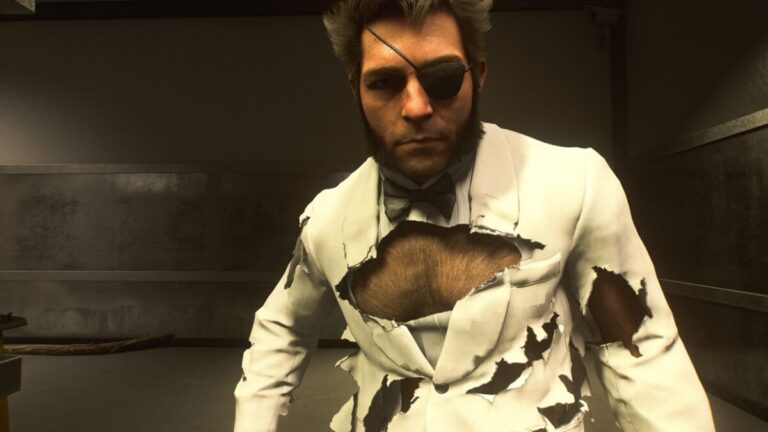
- The game features a dynamic clothing damage system where suits tear during combat and strategically regenerate to maintain the power fantasy of playing an unkillable character.
- Insomniac implemented unprecedented detail in rendering Logan's full body hair across his physique, a rarity in modern AAA games even with extensive customization options.
- Different costumes deteriorate uniquely during combat, with varying durability and visual presentation depending on material type and garment design.
The reviews for Marvel’s Wolverine arrived last week with decidedly mixed results for what many expected to be a surefire PlayStation 5 blockbuster. The game sits at a Metacritic score of 77, with critical assessments ranging from appreciation for its combat mechanics to frustration with its repetitive structure and overstuffed narrative. One consistent bright spot has emerged from coverage: the technical craftsmanship behind the game’s visualization of combat damage and Logan’s physical form during combat encounters.
The tonal difference between Wolverine and Insomniac’s prior Marvel projects lies partly in how the studio approaches violence. Spider-Man maintained a certain restraint in its action sequences, but Wolverine commits fully to visceral, bloody combat. With Logan’s regenerative healing factor always available as narrative justification, the developers seized an opportunity to make him an indestructible participant in brutally choreographed fights. Rather than dodge incoming attacks, gameplay often encourages simply absorbing punishment and emerging unscathed. That philosophy extends to everything Logan wears: if his body can take punishment, why should his clothing emerge undamaged from the same exchanges?
The Architecture of Suit Degradation
Wolverine’s damage system treats Logan’s body and clothing as separate systems with distinct regenerative properties. His suit or flannel shirt tears and frays during combat, visibly accumulating battle scars as players take hits. The healing factor that repairs Logan’s wounds does not extend to fabric. Instead, Insomniac implemented a system where garments repair themselves over time—a technical choice built on surprisingly complex reasoning.
The alternative would mean players controlling Logan in tattered rags or shredded costume pieces for extended stretches. Insomniac determined this created both a visual and psychological problem. Appearance of weakness contradicts the power fantasy the game aims to deliver. The studio’s solution balanced competing priorities: showing combat consequences while maintaining the cinematic presentation of an unkillable force.
The Balance Between Durability and Power Fantasy
Mike Fitzgerald, Insomniac’s head of technology, explained this philosophy to IGN: “You can’t play through most of the game wearing just shredded rags on his body. So we find the right balance between clothing that reflects the gameplay you’re doing and this brutal combat and the realities of that, and then finding the right moments to have it restore itself so you get that right cinematic feel of Wolverine.”
The power fantasy element proved essential to this decision. Jess Reiner-Reed, the game’s senior project director, elaborated on why extended periods in damaged clothing undermined player experience: “Early on, you would be playing through missions and your clothes are shredded for way too long. You don’t feel as powerful as you’re playing through. So yeah, we definitely found that right balance was the right thing to say.”
Individualized Costume Deterioration
Different costumes in Wolverine’s wardrobe respond uniquely to identical combat encounters. Formal buttoned attire holds together in its midsection while pieces scatter around the battlefield’s edges. His flannel shirt clings desperately to his frame as his outer jacket tears away in sections. The iconic yellow suit strategically remains intact in vital areas while exposing different patches depending on the fight’s progression. This variation creates the impression of a system considering each garment individually rather than applying a uniform degradation pattern to all outfits.
Body Hair As Technical Standout
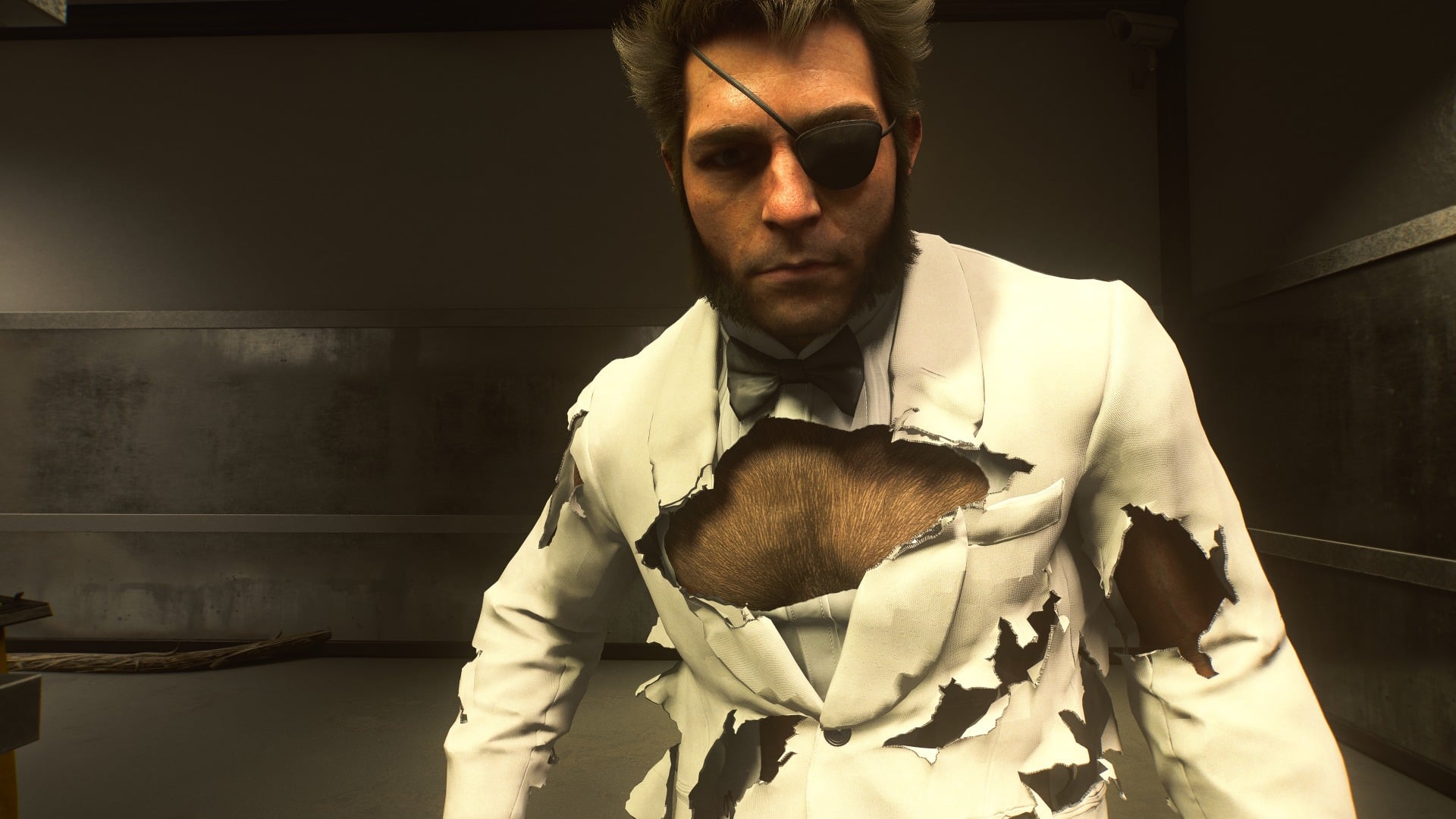
Beyond the suit system itself, Wolverine earned particular attention for its treatment of Logan’s physical appearance. When the torn costume reveals his chest, back, or shoulders, players encounter what appears to be obsessive dedication to rendering body hair. Every visible patch of skin carries thick, realistic hair coverage—a detail initially glimpsed during State of Play showcases earlier in the year and later confirmed through extended play sessions.
The granularity here exceeds what most AAA games attempt. Modern character customization systems often reach extreme degrees of specificity in facial features, clothing options, and cosmetic details, yet body hair rarely receives comparable technical investment. Logan’s full suit of body hair underneath his costume breaks this pattern. When combat tears away sections of his outfit, dense hair becomes visible across his shoulders, back, and chest. These are not token details or incidental coverage but rather densely populated surfaces that required individual placement decisions during asset creation.
Deliberate Artistic Direction
This level of implementation signals deliberate artistic choice rather than technical accident. Someone at Insomniac made a conscious decision to render Logan with comprehensive body hair, then ensured the combat system would frequently expose it. The coordination between the damage system and character art modeling suggests this wasn’t incidental but rather central to how the studio wanted to portray the character physically.
Cosmetic Freedom and Accidental Coherence
Players discovered they could customize how Wolverine appears after accumulating damage. The mask, when damaged sufficiently, can be toggled off entirely, creating a Hugh Jackman-inspired bare-faced aesthetic. Pairing this option with the tattered flannel shirt and damaged pants legs produces an accidentally coherent minimalist outfit, as though Logan was already half-undressed before the fighting started. Such moments break immersion in unexpectedly charming ways—they register as silly enough to undermine the game’s grimdark tone yet compelling enough that players preferred them to perfect, pristine alternatives.
Extreme damage states produce visually absurd results. Half of Logan’s cowl might vanish while he obstinately continues wearing the remaining half-mask, creating unintentionally comedic juxtaposition. Rather than fighting against these moments, players embraced them, finding entertainment in suit deterioration that the narrative treats with complete seriousness but the visuals render ridiculous.
Technical Investment With Purpose
Clothing damage systems exist in other games, often deployed primarily for spectacle or fanservice. Wolverine’s implementation carries technical ambition alongside its presentation. The attention extends simultaneously to what gets torn away and what lies beneath—the deliberately sculpted musculature and dense hair coverage rendered beneath the clothing. This dual focus distinguishes it from systems that treat clothing damage as mere window dressing or surface-level appeal.
For players frustrated by repetitive combat encounters and the game’s narrative attempting to juggle too many competing elements, this system provided unexpected compensation. Losing a fight became less frustrating when the visual feedback appeared rendered with genuine craftsmanship and technical consideration. The game may not reach the heights players expected from a PlayStation exclusive, but its technical execution in this specific domain validates the effort Insomniac invested in making destruction feel consequential and visually interesting.
Frequently Asked Questions
What is Marvel's Wolverine's critical reception?
The game scored 77 on Metacritic, with mixed reviews praising its combat mechanics while criticizing repetitive gameplay and an overstuffed narrative.
Why does Wolverine's clothing regenerate during combat?
Insomniac designed automatic suit regeneration to prevent players from spending extended missions in tattered rags, which would undermine the power fantasy and make Logan appear less powerful.
Can players change Logan's appearance in Wolverine?
Yes, players can toggle off Logan's mask after it takes sufficient damage, creating a bare-faced cosmetic option inspired by Hugh Jackman's portrayal of the character.
