
Key takeaways
- Valve's Steam Frame costs $1,060–$1,300 with no upgrade path over the $600 Meta Quest 3, making it difficult to recommend to any VR user segment.
- WiFi connectivity issues, game compatibility problems, and 60–90 minute battery life severely hamper standalone gameplay despite frequent software updates.
- Wireless streaming from PC is the headset's only impressive feature, offering lag-free high-end gaming without cables—if you own gaming hardware to stream from.
- VR gaming stagnation, centered on 2018's Beat Saber and 2020's Half-Life: Alyx, means the Steam Frame arrives when the industry needs new games, not new hardware.
Valve’s third new piece of hardware arriving this year, the Steam Frame, positions itself as a self-contained virtual reality headset that largely mirrors the Steam Deck experience—but worn on your face. Registrations for the device opened today and will remain available through September 17, with two configurations: a 256GB model priced at $1,060 and a 1TB version at $1,300. An optional Ergonomics Kit for $60 supplies controller straps and a head support strap. Despite these specs and its positioning to replace Valve’s Index headset as the company’s flagship VR product, the Steam Frame struggles to answer one fundamental question: who actually needs this device in 2026?
Design and First Impressions
Physically, the Steam Frame arrives as thick plastic goggles coupled with cloth straps and a rubbery battery pack serving double duty as skull support. This architecture keeps the overall weight down, but the construction feels fragile upon handling—every fingerprint stamps itself onto the super-shiny black plastic, and magnets that secure the faceplate and cushion guard create an unsettling sequence of creaks and clicks as pressure shifts the device. For a $1,300 product, the initial tactile impression disappoints.
Once positioned on the face, however, the design’s advantages emerge. The lightweight profile transforms into a genuine strength, potentially ranking among the most comfortable headsets ever worn, even without the additional $60 support strap. The screen delivers exceptional clarity; text in menus appears so sharp it elicits audible surprise, an effect that still impresses after hundreds of hours spent in VR interfaces.
Controllers and Interface
A Step Backward in Controller Design
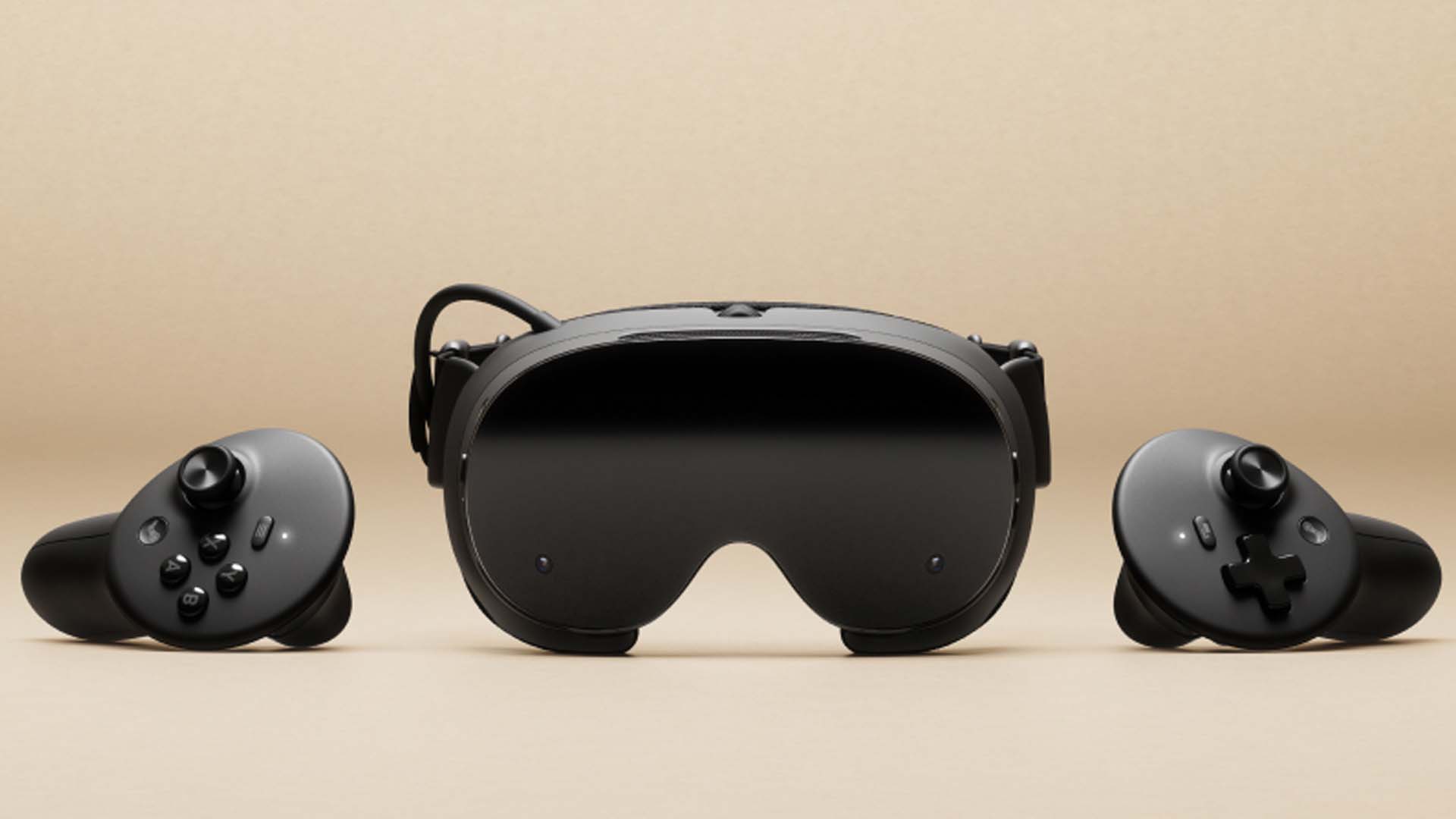
The bundled controllers represent a significant disappointment. While functional and borrowed directly from the Quest design template—which has become the industry standard over recent years—they abandon Valve’s superior Index controllers. The Index units were bigger, felt more advanced, and offered greater comfort; Valve essentially traded proven engineering for conformity. Without the optional hand straps, the controllers are bare plastic wands requiring constant grip, an uncomfortable baseline. Even with straps attached, button placement feels awkward, and the grip trigger marks a clear step down from what Valve accomplished years prior.
The Steam Deck in Your Headset
The Steam Frame’s interface draws heavily from Steam Deck architecture, meaning anyone familiar with that device or recent Steam desktop clients navigates the headset intuitively. The interface itself works smoothly and presents no learning curve.
Software Problems and Game Compatibility
Connectivity Issues Persist
Despite Valve’s frequent updates during the testing period, basic functionality stumbled consistently. Connecting to WiFi required three restart attempts before initial connection succeeded. Later sessions demanded repeated disconnect-and-reconnect cycles just to resume game downloads. Even following the latest updates, WiFi problems recurred, suggesting deeper architectural issues.
Game Performance Across the Board
Standalone games installed directly on the headset exhibited random blackout cuts, unreliable controller tracking, and performance stuttering across both Steam Frame-verified and non-verified titles. Half-Life: Alyx, Valve’s flagship VR title running natively through Foveated Rendering and Eye Tracking combined with the headset’s 16GB VRAM, demanded graphics lowered to minimum settings to maintain consistent framerates. Even then, major action sequences and explosive barrels still caused hitching and temporary freezing. For newcomers unfamiliar with Alyx’s original quality, this compromised version suffices—and every unit ships with a copy—though subsequent updates may improve performance.
Other celebrated VR titles fared worse. The Walking Dead: Saints & Sinners refused to launch, perpetually requesting position resets regardless of control scheme swaps, ultimately proving unplayable after numerous restarts. Beat Saber similarly froze during initial sessions, causing the entire headset to crash and reboot; eventually, after a Steam Frame update and lowered visual settings in the game itself, it became functional. Half-Life 2 VR, a fan-created port of Valve’s classic shooter, ran smoothly—likely benefiting from less demanding visuals—while Arizona Sunshine Remake performed flawlessly, consuming significant playtime until battery depletion.
Battery Performance and Wireless Streaming
Standalone Battery Constraints
On-device gameplay delivered 60 to 90 minutes per charge, fluctuating heavily by title. Visually intensive experiences like Half-Life: Alyx drained the battery rapidly, while less demanding games like Beat Saber allowed longer sessions. For anyone planning extended VR sessions, this limitation demands frequent interruptions.
Streaming: The Actual Innovation
The one genuinely impressive feature emerged through Valve’s wireless streaming technology. Previous attempts streaming games from PC to Quest 2 and Quest 3 headsets introduced noticeable lag, visual artifacts, and limitations severe enough to make a physical cable dangling from the ceiling preferable. The Steam Frame’s approach—using both a wireless puck connected to your PC and your home’s WiFi network—eliminated every problem that plagued earlier wireless solutions. Gameplay flowed flawlessly, lag vanished, and the experience felt so seamless that cable-based play became instantly forgettable. This streaming capability extended battery life beyond the 60-to-90-minute window and permitted high-end gaming without any wire attachment, representing Valve’s most successful achievement with this device.
The Target Audience Question
Not for VR Newcomers
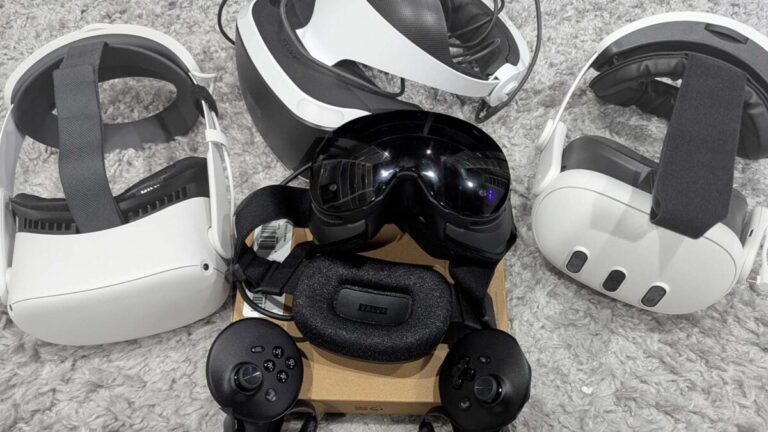
For someone unconvinced about virtual reality’s appeal, spending over $1,000 remains difficult to justify. A refurbished Meta Quest 3 costs under $600, feels more durable in hand, and delivers a responsive, stable experience matching the Steam Frame’s capabilities closely enough that most users, especially those new to VR, won’t perceive meaningful differences. Even an older Quest 2 costs significantly less, though it offers substantially fewer features.
Not for Experienced VR Players Either
Existing VR enthusiasts with Quest 3 or Pimax headsets find little reason to upgrade. The only exception involves specifically wanting a Steam-powered standalone experience, but veteran players have typically already solved any Steam-related complications or invested heavily in the Meta Quest ecosystem and its modding community. Those with powerful PCs but no headset can access cheaper alternatives offering similar or superior performance if they never plan to play VR outside their home.
A Device Searching for Purpose
The $1,000+ price tag makes recommendation impossible to anyone, particularly in 2026. The Steam Frame doesn’t feel production-ready, arriving during an era when VR gaming has contracted into a smaller, less exciting space than previous years. Most casual discussions about VR fixate on just two titles: Beat Saber from 2018 and Half-Life: Alyx from 2020. New releases exist but feel derivative—gallery shooters, puzzle games, and physics playgrounds dominate the landscape. VR increasingly reads as a dead end, and no headset, regardless of quality, overcomes that structural problem.
The Steam Frame’s existence stems from necessity rather than innovation. Valve’s Index was nearly six years old, and the company needed a current product supporting the VR content library it controls. The headset checks that box technically, but after nearly two weeks of testing, uncertainty dominates any assessment. A shoulder shrug and grimace face best summarizes the verdict.
Frequently Asked Questions
How much does the Valve Steam Frame cost?
The Steam Frame costs $1,060 for the 256GB model and $1,300 for the 1TB version, with a $60 optional Ergonomics Kit that includes controller straps and head support.
How long does the Steam Frame battery last?
On-device gameplay provides 60 to 90 minutes per full charge, depending on the game, with graphically intensive titles like Half-Life: Alyx draining the battery faster than less demanding games.
What is the Steam Frame's best feature?
Wireless streaming from a gaming PC using a wireless puck and home WiFi network delivers lag-free, high-end VR gameplay without cables, making it the device's only genuinely impressive capability.
