
Key takeaways
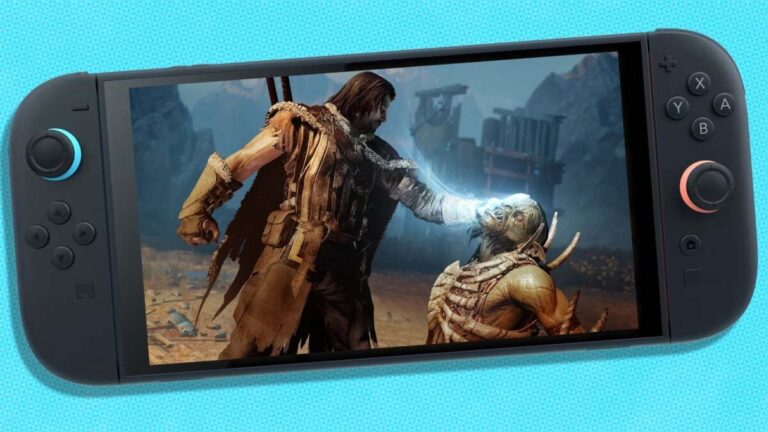
- Middle-earth: Shadow of Mordor and Shadow of War arrive on Nintendo Switch 2 September 30, marking their first appearance on a Nintendo platform.
- Both games include all expansion and season pass content at launch, with promotional pricing of $10 for Mordor and $25 for War during the first two weeks.
- The Nemesis system, where enemies remember encounters and grow stronger between battles, remains fully intact on the portable versions.
- Aspyr, known for porting Tomb Raider and Star Wars games to Nintendo systems, handled the technical conversion to Switch 2's hardware.
Aspyr, the studio behind Nintendo’s Tomb Raider and Star Wars ports, has quietly placed store pages for Middle-earth: Shadow of Mordor and Shadow of War on the Nintendo Switch 2 eShop, with both releasing September 30. The listings appeared without formal announcement, discovered by players before Aspyr released a short trailer. This marks the first time either game has reached a Nintendo system, answering years of fan requests for portable versions.
The Games Coming to Switch 2
Shadow of Mordor
Originally launched in 2014, Shadow of Mordor spent over a decade on PC, Xbox, and PlayStation before transitioning to portable hardware. The game earned critical acclaim and built a devoted audience through its distinctive combat system and world design. It carries a standard price of $20 on Switch 2, qualifying for the launch sale pricing.
Shadow of War
Shadow of War followed in 2017, expanding on its predecessor’s mechanical foundation while deepening the narrative scope of the franchise. The sequel maintained critical favor and attracted players who appreciated both the technical gameplay and storytelling. It launches at $50 on Switch 2 at full price, dropping to $25 during the two-week promotional window.
The Nemesis System
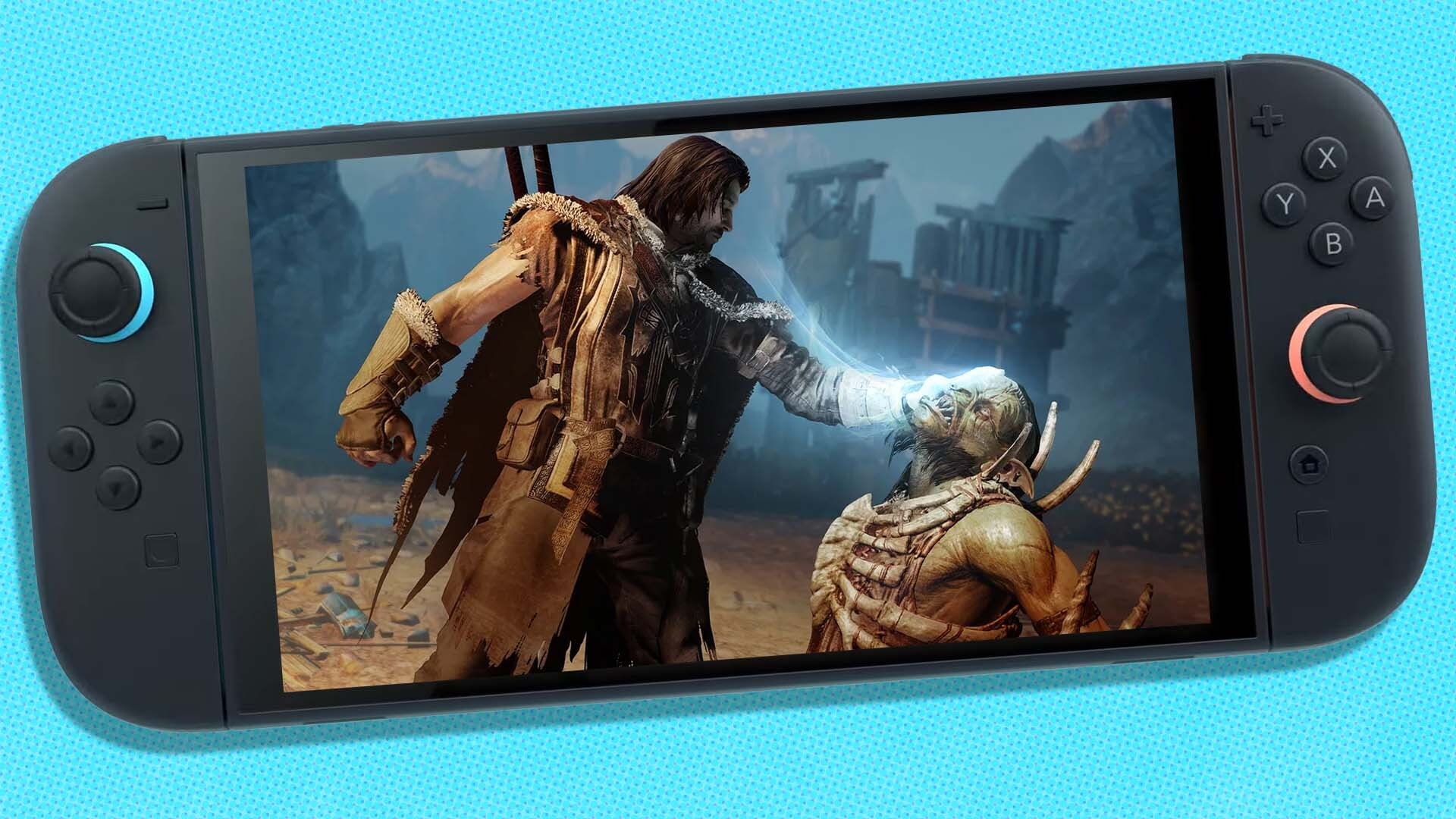
Both games center on the Nemesis system, a feature where enemies remember specific encounters and adjust tactics based on previous fights. Defeated enemies could return stronger or be replaced with more formidable versions. Those who defeated the player could become significant ongoing threats. This created persistent antagonistic relationships where individual enemies mattered across multiple encounters, giving each playthrough a sense of continued conflict rather than treating enemies as interchangeable.
Pricing and Content
Shadow of Mordor costs $20 standalone, Shadow of War costs $50, and both together sell for $70. During the first two weeks after launch, Mordor drops to $10, War drops to $25, and the bundle falls to $35. Both games include all expansion and season pass content built in, meaning players receive complete packages without additional DLC purchases. This promotional pricing signals an effort to capture early momentum rather than relying on gradual word-of-mouth discovery over months.
The Technical Achievement
Both games employ detailed character models, complex lighting, and fluid combat animations demanding console-class processors. The original Switch lacked the power to handle these games at acceptable visual quality; Switch 2’s improved hardware made the conversion feasible where it previously was not. Aspyr’s portfolio demonstrates experience with this challenge. The studio’s Tomb Raider ports showed how to preserve visual quality while adapting controls for portable play. The Star Wars ports further established the studio’s ability to handle major licensed properties and large-scale games across different platforms.
Why the Long Wait
Shadow of Mordor existed ten years before reaching Nintendo, while Shadow of War approached nine years without an appearance despite multiple console generations passing. Players had requested Nintendo versions consistently, yet neither publisher nor studio pursued the project. Two factors explain the delay. First, Middle-earth properties fall under the Tolkien Estate’s licensing oversight, requiring negotiation with multiple stakeholders beyond the original publisher. Second, these games exceeded what the original Switch could realistically deliver; only Switch 2’s improved processor and memory made a quality conversion feasible without unacceptable compromises to visual fidelity or gameplay systems.
What This Means for Switch 2
Action games on portable systems typically compromise on scope or visual ambition to match hardware limitations. Shadow of Mordor and Shadow of War represent an effort to port titles that maintained full feature sets and graphical fidelity, bringing console experiences to handheld form without substantial downgrading. The Nemesis system benefits from portable play patterns, where players dip in and out between sessions rather than engage in extended campaigns, allowing enemies time to develop between encounters. The September 30 launch positions these games within Switch 2’s early library expansion phase, signaling that major publishers now actively pursue Switch portability rather than treat Nintendo as an afterthought for aging ports. Whether Aspyr will bring additional titles from its catalog to Switch 2 remains unannounced, but the Middle-earth ports demonstrate gathering momentum in bringing substantial, feature-complete games to the platform.
Frequently Asked Questions
Do the Switch 2 versions include expansion content?
Yes, both titles come with all expansion and season pass content included as standard, with no additional DLC purchases required.
What is the Nemesis system?
A feature where enemies remember previous encounters with the player, grow stronger between battles, and adjust their tactics based on prior fight outcomes.
