
Key takeaways
- The Duskbloods requires players to collect Virtue across a 30-minute match before elimination rounds narrow competitors from many to three finalists.
- The game offers flexible playstyles through alliances, duos partnerships, NPC summons, character leveling, and dynamic environmental events that reshape the map during matches.
- FromSoftware director Hideki Miyazaki confirmed the studio is not abandoning single-player experiences, describing multiplayer as scratching a creative itch that makes him want to return to single-player development.
Multiple gaming outlets published previews of FromSoftware’s upcoming game The Duskbloods for Nintendo Switch 2, revealing substantial details about its hybrid gameplay structure and mechanics. The game presents an unusual blend of elements that has drawn comparisons to both Elden Ring and Nightreign, yet remains fundamentally distinct from either title.
The Core Concept
A New Kind of Competition
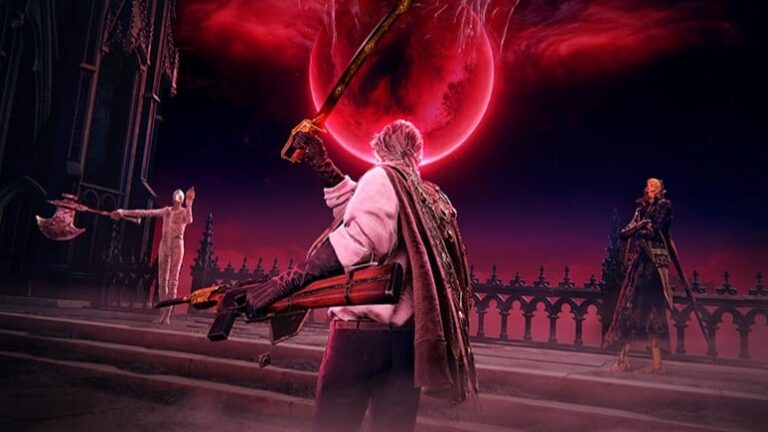
The Duskbloods positions players as Bloodsworn characters thrust into a level populated with enemies and other competitors simultaneously. Rather than a traditional battle royale or pure PvP arena, the game revolves around accumulating a resource called Virtue through various means: defeating enemies, completing objectives, exploring the environment, fighting bosses, or discovering hidden items. Some players may engage in PvP combat, while others form temporary partnerships to collect Virtue together, creating a constantly shifting dynamic between cooperation and competition.
The match structure operates through distinct phases. Initially, players roam freely to gather Virtue. At two separate intervals, the game eliminates those who have not collected sufficient Virtue, narrowing the field progressively until only three competitors remain. These final three are then transported to an arena for direct confrontation, where all previous alliances dissolve and the practical results of preparation are tested against pure combat skill.
The Vampire Theme in Action
All playable characters share fundamental vampire-related abilities. Beyond standard movement like jumping and sprinting, each character can bite the necks of staggered enemies to drain their blood, inflicting damage while recovering health. This mechanic also temporarily converts weaker enemies into allies, adding another layer of tactical decision-making during exploration and combat encounters.
Match Progression and Elimination
Death and Respawning Rules
The game distinguishes between death consequences depending on the match phase. During the main exploration and collection period, falling to enemies or other players results in immediate respawning without penalty—players retain all accumulated Virtue and remain in the match. This permissive approach changes dramatically during the final arena phase. When only three players remain, death becomes permanent, though players apparently receive multiple lives within this final confrontation. Specifically, competitors must fall three times before total elimination.
Progression Without Permanent Loss
The extended main phase allows players to build their characters through experience and leveling without fear of permanent setbacks. Killing enemies grants experience points, which increase character level, unlock new abilities, and enhance health pools. This progression system means that players who engaged more actively in combat and exploration will possess statistical advantages when the arena phase begins, creating meaningful differentiation between competitors based on their early-match choices.
Character Options and Progression Systems
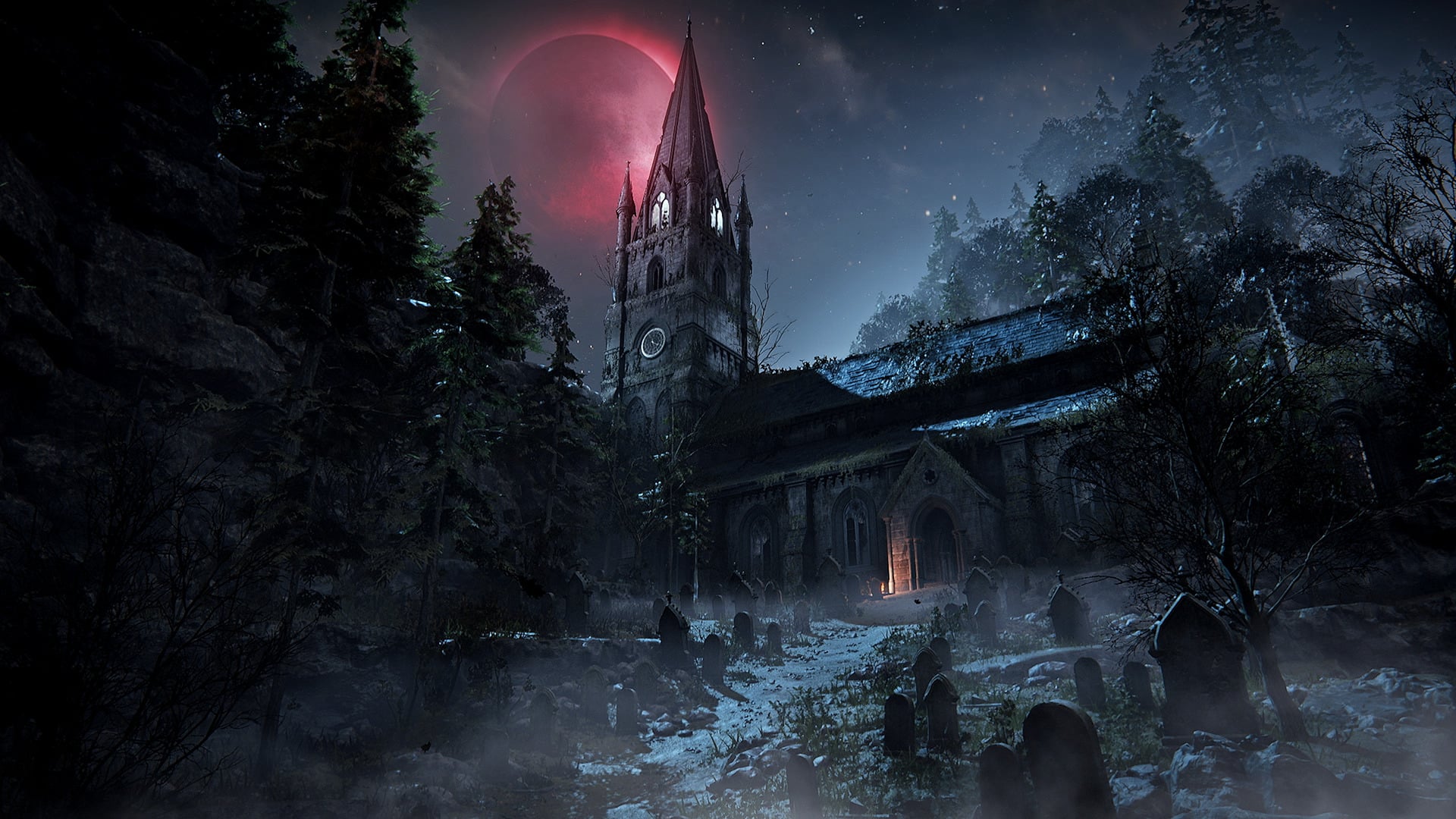
Six playable characters will be available during the network test this weekend, with ten total characters planned for the full release. The preview build and tests showcase only one of three maps that will rotate at launch, a large town featuring a church, cave system, ruins, and poison swamp—demonstrating the scale and environmental variety players can expect.
Summoned Companions
Players can summon NPC allies called Kin from portals scattered across the map. These companions function similarly to Elden Ring’s spirit summons, remaining active throughout the rest of the match and scaling in strength alongside the player. Eight different Kin were available in preview builds, including creatures with distinct abilities: a large singing monster capable of suplexing enemies, a fire-casting mage, a cowgirl character, a wolf, and an entity named Undead Marlowe. The variety suggests FromSoftware has designed these companions to accommodate different playstyles and tactical approaches.
Objectives and Rewards
Sigils are items that assign specific objectives to players—such as eliminating a particular opponent or forming an alliance with them—with completion granting substantial Virtue rewards. Beyond personal sigils, the map itself generates dynamic objectives: designated areas offer Virtue for killing other players or capturing control points, bosses spawn as optional encounters, and hidden items provide additional rewards. This layered objective system ensures that multiple valid paths exist for Virtue accumulation, allowing different player types to progress effectively.
Multiplayer Interactions and Modes
Alliances and Solo Strategy
During the main three phases, encountering other players presents a choice: engage in direct combat or propose a temporary alliance that prevents mutual damage. These alliances provide tactical advantages for Virtue collection but dissolve once the final three reach the arena, creating strategic tension around whether to trust another player whose skills might prove superior in the final confrontation.
Players also may pursue quests that reward attacking other competitors for Virtue, adding another dimension to the risk-reward calculations during the match.
Duos Mode
Players may alternatively opt for Duos Mode at match start, partnering with another player for the entire game. Four teams of two compete, with one team eliminated each round. Unlike the main mode where the final arena becomes a free-for-all, Duos teammates determine victory or defeat together rather than as individuals.
World Design and Dynamic Events
The single map shown during previews contained multiple distinct regions—town, church, caves, ruins, and swamp—and appeared sufficiently expansive to require meaningful navigation. The powerful jumping ability available to all characters allows traversal over buildings and other obstacles, increasing the effective playable area.
Maps are further shaped by events that transform environments during matches. These events include rainstorms of fire, lightning strikes that teleport affected players to different locations, and shooting stars that crash into specific areas. Such dynamic elements prevent the map from becoming static and force players to adapt mid-match to changing conditions.
Polish and Customization
While cosmetic customization for characters was not included in the preview build and will not appear in the network test, the final release will apparently support character customization options.
Matchmaking and FromSoftware’s Multiplayer Future
Director Hideki Miyazaki told IGN that the matchmaking system prioritizes connecting players with similar win rates, ensuring that less experienced players are not constantly matched against skilled competitors. While rankings may not be visible to players, the underlying system creates brackets of comparable skill levels.
Miyazaki also addressed concerns about FromSoftware’s direction following the close releases of Elden Ring, Nightreign, and The Duskbloods. He stated that the studio is not abandoning single-player experiences, describing the recent multiplayer releases as coincidental timing rather than strategic direction. “Personally, it’s very fun to make a multiplayer game like this,” Miyazaki explained. “It’s not something we’ve done a lot and we’re looking forward to seeing players’ reactions and getting the feedback. But it’s like, the more you work on something multiplayer for a long time, if anything, it scratches that itch only to want to make something single-player again.”
Frequently Asked Questions
How many players can compete in one match of The Duskbloods?
The Duskbloods supports multiple players competing simultaneously, with six playable characters available in the network test out of ten total in the full game.
What are Kin and how do they work in The Duskbloods?
Kin are NPC allies summoned from portals across the map, functioning similarly to Elden Ring's spirit summons. Eight Kin were available in previews, including a singing monster that can suplex enemies, a fire mage, a cowgirl, a wolf, and Undead Marlowe. They remain active throughout the rest of the match and grow stronger alongside the player.
Will FromSoftware continue making single-player games after these multiplayer releases?
Hideki Miyazaki confirmed FromSoftware is not moving away from single-player experiences, describing the back-to-back multiplayer releases as coincidental timing. He stated that working on multiplayer for extended periods makes him want to return to single-player development.
