
Key takeaways
- The first two Lufia games arrive on Steam for the first time, ending their decades-long status as prohibitively expensive SNES collector's items.
- The 1995 sequel became a retrospective critical favorite among SNES JRPGs with improved visuals, refined combat, and an acclaimed soundtrack.
- Clear River Games handled the port, the same studio that ported the equally rare Terranigma to modern platforms.
The Super Nintendo Era housed dozens of RPGs that players overlooked upon release, discovering their depth only years later through the internet and emulation. Earthbound, Chrono Trigger, and Tactics Ogre represent the most celebrated survivors from that vault. During today’s PC Gamer presentation at Tokyo Game Show, another long-forgotten classic emerged from obscurity: the first two Lufia games will officially arrive on Steam for the first time.
Lufia’s narrative begins with a catastrophic event. A mysterious fortress materializes in the sky, spreading shadow across the lands below. In response, the world’s strongest warriors band together to fight a race of malevolent demigods called the Sinistrals, only to perish when the floating structure crumbles beneath them. One century passes. The Sinistrals return, and the prophecy of their defeat must begin again through a new generation of heroes.
The Original Game’s Overlooked Charm
Taito published the first Lufia in 1993, arriving during a crowded year for RPGs. Compared to more visually striking releases, Lufia appeared understated. Yet players who invested time discovered ornate writing, an ambitious combat system, and an overwhelming volume of side quests to complete. It represented the kind of niche classic that built dedicated fanbases rather than mainstream recognition, a pattern that would define the entire series’ commercial journey.
Discovery Through Retrospection
The game’s modest initial reception contrasted sharply with later appreciation. Critical reassessment through the decades established Lufia as a worthwhile adventure for committed SNES enthusiasts, though this recognition arrived primarily through retrospective analysis rather than contemporary sales success. The original’s reputation grew mainly through word-of-mouth among collectors and emulation communities.
The Collector’s Barrier
Original cartridges now command steep prices, making the 1993 original nearly inaccessible to new players outside emulation. This barrier to entry explains why Lufia’s legacy remained confined to enthusiast circles while contemporaries achieved broader cultural awareness, creating a situation where the game’s reputation far exceeded most players’ ability to experience it.
The Sequel Changed Everything
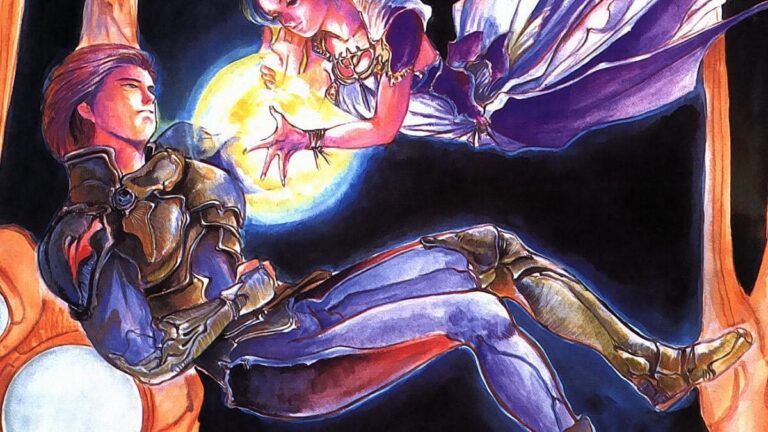
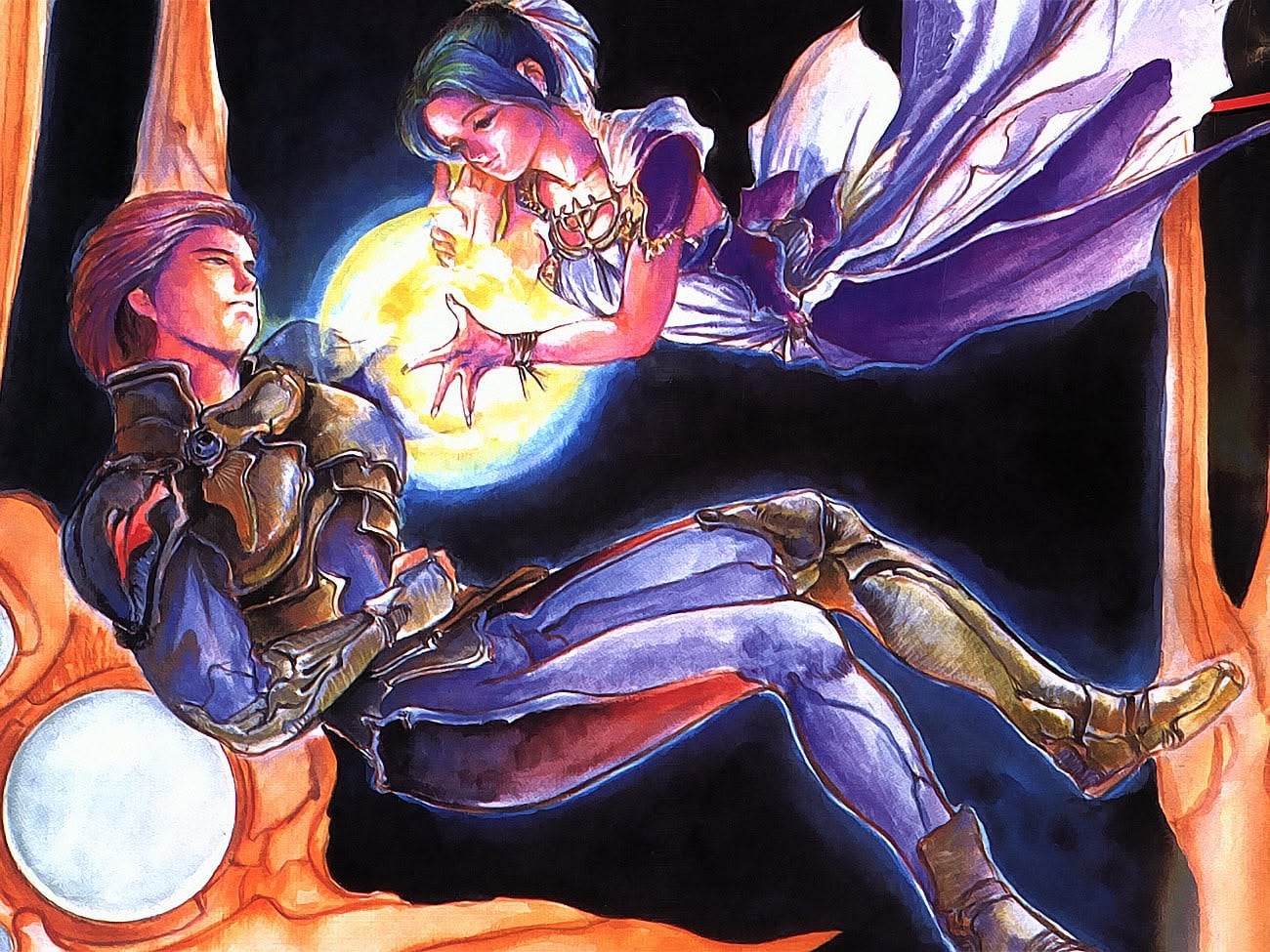
Two years later, in 1995, the follow-up arrived and represented a dramatic evolution. Developers granted the visuals a complete overhaul with a painterly aesthetic that transformed the technical presentation. The combat mechanics received refinement, turning mechanical quirks into engaging systems rather than frustrating obstacles. Most significantly, the musical score elevated to a level that remains discussed among SNES soundtrack enthusiasts.
Why the Sequel Became a Classic
The sequel’s later reputation stems from execution that outpaced its predecessor across every dimension. Neverland, the development studio behind both titles, achieved technical mastery by the second installment, leveraging enhanced hardware knowledge to create something that felt like a genre pinnacle rather than a rough draft. Critical reassessment placed this sequel among the finest JRPGs of the Super Nintendo era, though mainstream recognition remained limited at release.
The game chronicles the original raid on the Sinistral fortress from the prior game’s prologue, providing narrative context while telling its own complete story. This dual approach—continuing a saga while remaining standalone—enhanced the sequel’s appeal to both newcomers and series veterans.
A Collector’s Nightmare
Both games occupy the top tier of SNES RPG rarity in the secondhand market. Sealed copies command prices that rival iconic titles with substantially larger player bases at release. This scarcity transformed Lufia into a kind of legendary property discussed far more than it was actually played, mentioned in retrospectives about underrated classics but practically untouchable for the average fan.
Supply Scarcity and Retrospective Demand
The high costs reflect genuine rarity rather than artificial hype. Neither game achieved widespread distribution during the Super Nintendo’s commercial life, meaning fewer cartridges survived decades of wear and storage degradation. Supply never caught up with retrospective demand once the gaming community recognized these titles’ merits through emulation and community discourse. Lufia received a handful of sequels on handheld devices, but the original two cartridges remained the holy grail for collectors.
Clear River Games Brings Them Back
The announcement arrived as part of Tokyo Game Show’s closing presentation via PC Gamer. Clear River Games, which only recently ported the sought-after cult classic Terranigma, confirmed plans to re-release both Lufia games under the title Lufia I & II The Sinistrals Saga, arriving next year. The announcement specified a pixel-faithful recreation, preserving the original aesthetic rather than pursuing modernized visuals.
This move follows an emerging pattern where dedicated preservation efforts target the most elusive SNES titles. Terranigma’s recent port demonstrated that even the rarest cartridges can reach modern audiences through digital distribution, finally breaking the collector’s stranglehold on these games’ availability.
The Developer’s Legacy
Neverland, despite creating two critically reappraised JRPGs, never achieved household recognition in the way Squaresoft or Enix did. Instead, the studio’s later work became far more commercially successful. After Lufia, Neverland went on to create the Rune Factory series, a farming-adventure spinoff from Harvest Moon that became substantially more visible in gaming circles than either of its SNES predecessors.
This trajectory mirrors other early-90s developers who created fondly remembered RPGs but built their commercial foundation through different properties. Neverland’s example shows how critical acclaim doesn’t always translate to commercial momentum, especially when games arrive late in a console’s lifecycle.
A Window Into Lost Classics
The Steam announcement represents more than just two games becoming accessible. It signals that the remaining untouched SNES classics are finally receiving proper preservation and distribution. For decades, Lufia’s reputation far exceeded most players’ ability to actually experience it, confined to those willing to hunt expensive cartridges or navigate emulation. Next year’s release changes that equation entirely, allowing the games to reach the audience their design and execution always deserved.
Frequently Asked Questions
What are the Lufia games about?
Lufia tells the story of heroes defending against a race of malevolent demigods called the Sinistrals. A mysterious fortress appears in the sky, and after the first battle fails, their descendants must resume the fight a century later. The sequel chronicles the original raid on the fortress.
Why are these games so rare and expensive?
Both Lufia titles were published during the Super Nintendo's later years and never achieved wide distribution. Fewer cartridges survived decades of wear, and limited supply combined with retrospective critical appreciation drove collector prices extremely high, making original cartridges practically inaccessible to average fans.
Who is releasing these games on Steam?
Clear River Games is handling the re-release under the title Lufia I & II The Sinistrals Saga, arriving next year. The studio recently gained recognition for porting another rare SNES classic, Terranigma, to modern platforms.
