
Key takeaways
- European Nintendo store listings reveal Kirby and Dedede amiibo releasing November 11-12, signaling that a major first-party game will likely launch alongside them.
- Nintendo historically releases amiibo on the same day as first-party games to streamline manufacturing and shipping, establishing a pattern fans now use to predict release dates.
- If Ocarina of Time releases November 12 as the data suggests, it would launch one week before Grand Theft Auto VI, capturing Switch exclusive players during that critical month.
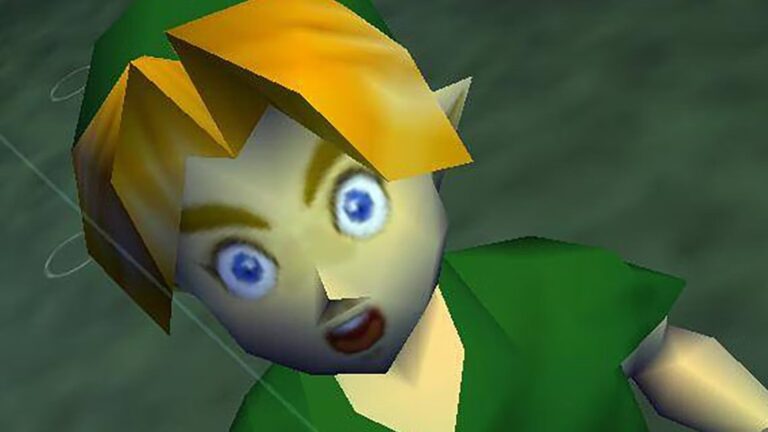
Last month, Nintendo officially revealed a remake of The Legend of Zelda: Ocarina of Time is coming to Switch 2, immediately sparking speculation about when the company would release this reimagining of one of the most celebrated games in video game history. November emerged as the leading candidate, but the reasoning behind that timing remained unclear—until European data exposed a compelling pattern rooted in Nintendo’s amiibo distribution strategy.
The Discovery
On July 30, Reddit user gaysaucemage stumbled across listings on the Nintendo UK Store revealing that Kirby and Dragoon amiibo figures and Noir Dedede and Hydra Kirby Air Riders amiibo would release on November 11. Updating the system clock on their device corrected the UK website date to November 12, the date that matters to most players. An official Nintendo announcement has not yet confirmed what game, if any, will launch alongside these amiibo figures, but the timing suggests something significant is coming.
Nintendo’s Amiibo Release Strategy
This theory gains substantial credibility when examined against Nintendo’s established track record with amiibo releases. Over recent years, the company has deliberately coordinated amiibo launches with major first-party game releases, seemingly to streamline manufacturing and reduce shipping costs. The game and the amiibo do not even need to be thematically connected; Nintendo simply uses coordinated release dates as a matter of logistics.
Historical Pattern of Coordination
The most recent documented example occurred in March, when Nintendo revealed that the King Dedede amiibo would release on July 2. That same day, Nintendo later announced, would mark the launch of the latest Rhythm Heaven title. The amiibo’s announcement came before the game’s public reveal, further illustrating how Nintendo treats these coordinated releases as a standard operational practice rather than an exceptional occurrence.
Why This Pattern Matters
This established pattern provides historical precedent for the November amiibo listings. When Nintendo lists new amiibo with a specific release date, fans have learned to watch for an accompanying first-party release on that same day or within days of the date listed.
The November 11-12 Evidence
The European Nintendo store listings for the Sword Kirby and Dragoon amiibo and the Noir Dedede and Hydra amiibo both point to November 11 as the release date. For European storefronts, accounting for regional time zone differences, the effective release would fall on November 12 in most territories. November 12 is a Wednesday, which is admittedly an unusual day for a major game launch in the modern era. Thursdays and Fridays have become standard release windows for video games across most markets. Yet the amiibo listings are concrete data points that preceded any official game announcement, matching the pattern Nintendo has demonstrated multiple times.
Character Selection and Thematic Implications
The specific amiibo characters involved also merit consideration. Kirby-themed amiibo arriving alongside Kirby Air Riders, another first-party Nintendo title, would make thematic sense. However, the inclusion of Dedede figures suggests the possibility that multiple Kirby universe games could be launching in the November window, or that the release represents a broader character roster celebration rather than a single-title focus.
November Release Timing and the GTA VI Factor
What makes the November 12 date particularly notable is its proximity to a far larger industry event. Grand Theft Auto VI launches on November 19, exactly one week later. This creates a unique competitive landscape. GTA VI is widely anticipated to be one of the largest single game launches in history, likely to dominate player attention across console platforms for months. Yet Grand Theft Auto VI will not be available on Switch 2, creating an opportunity for Nintendo.
The Platform-Exclusive Advantage
Switch 2 owners who do not own a PlayStation 5 or Xbox Series X/S will face a month of limited major releases from competing platforms. An Ocarina of Time remake released one week before GTA VI could capture the attention of Switch exclusive owners and prevent those with multiple platforms from abandoning their Nintendo console during the month’s premium release window. Some observers have noted that the strategy would be characteristic of Nintendo’s willingness to pursue counterintuitive release timing decisions.
Unconventional but Strategic Thinking
The conventional wisdom suggests launching before a juggernaut like GTA VI would be disastrous for sales. Yet for a platform-exclusive title, the calculation differs. Switch 2 owners cannot play GTA VI on their console, making a major first-party release the primary option for engaging new content during November.
What This Means for Switch 2’s November Lineup
If the amiibo data correctly predicts a November 12 release for the Ocarina of Time remake, the platform’s November offerings would become substantially more compelling. The remake itself would likely be the system’s flagship release that month, providing exclusive content for a userbase that would otherwise watch GTA VI dominate conversations across industry media and social platforms.
For Nintendo, releasing a game as culturally significant as an Ocarina of Time remake would serve multiple purposes. It would cement Switch 2’s launch-window momentum, provide system-exclusive content during a period of industry attention focused elsewhere, and reinforce the amiibo strategy as integral to Nintendo’s release calendar operations.
The Waiting Game
As of now, Nintendo has not formally announced the Ocarina of Time remake’s release date. The European store listings remain the strongest publicly available evidence linking a major game release to November 12. However, Nintendo could still release the game earlier, later, or on a different date entirely. The amiibo data is compelling circumstantial evidence, not confirmation.
What remains certain is that some major Nintendo first-party release appears scheduled for mid-November based on the amiibo listings. Whether that game is the Ocarina of Time remake, another high-profile title, or multiple releases coordinated to that window will only become clear once Nintendo issues an official announcement. Players expecting clarity should prepare for Nintendo’s typical pattern: announcement dates chosen to maximize attention, information released in the company’s preferred order, and release strategies that prioritize Nintendo’s operational goals over industry convention.
Frequently Asked Questions
What evidence indicates the Ocarina of Time remake will release on November 12?
European Nintendo store listings revealed Kirby and Dragoon and Noir Dedede and Hydra amiibo figures releasing November 11-12. Since Nintendo historically releases amiibo on the same day as first-party games, fans believe a major title will launch on that date. However, no official Nintendo announcement has confirmed this yet.
Why would Nintendo release Ocarina of Time one week before Grand Theft Auto VI?
GTA VI launches November 19 but will not be available on Switch 2. Releasing an Ocarina of Time remake on November 12 would provide exclusive content for Switch 2 owners during the month when GTA VI dominates other platforms, capturing undivided attention from the Switch audience.
Has Nintendo released amiibo and games on the same day before?
Yes. In March, Nintendo revealed that the King Dedede amiibo would release on July 2, the same day as the latest Rhythm Heaven. The amiibo announcement actually preceded the game's public reveal, showing Nintendo coordinates these releases as a standard operational practice.
