
Key takeaways
- Trails in the Sky 2nd Chapter fixes the first remake's localization problems, including inconsistent terminology like 'archaism' becoming 'orbal golem' and erratic character pronunciation.
- The hybrid combat system is competent but lacks tactical flourishes from newer Trails games, intentionally reflecting the historical setting of 1202 before technological innovations of later eras.
- For series newcomers, the remake duo now provides a proper entry point into a 20+ year franchise spanning multiple nations and story arcs within a shared world across less than a fictional decade.
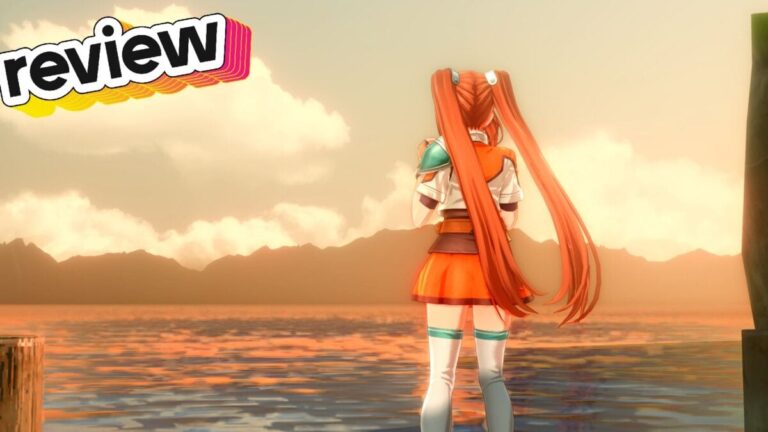
The video game landscape churns out remakes and remasters with alarming regularity, each arriving with fresh promises and mounting skepticism. Trails in the Sky 2nd Chapter makes a tangible case for why this particular remake exists: where its predecessor stumbled with localization inconsistencies that undermined narrative precision, the sequel addresses those failures directly while advancing a story whose ending demands completion.
Two Decades of World-Building
The Trails franchise has evolved across over twenty years, constructing a fictional world named Zemuria with architectural consistency that most games never attempt. The original Trails in the Sky introduced the nation of Liberl and its protagonists Estelle and Joshua Bright, concluding with one of the genre’s most memorable cliffhangers: Joshua reveals membership in Ouroboros, a shadowy organization, then renders Estelle unconscious via a poisoned kiss before fleeing to confront his past. That ending made a sequel inevitable. The two games form a complete first act in a much larger narrative spanning multiple nations and story arcs.
Estelle’s Search
Trails in the Sky SC picks up with Estelle hunting for answers about Joshua and Ouroboros. Her journey through Liberl spirals outward from personal vendetta into matters affecting the entire nation and potentially the world itself. The first game focused on local adventuring punctuated by political undertones. The sequel fundamentally expands scope, revealing larger forces operating throughout the world and providing context for conflicts that will echo across subsequent games. For players already familiar with Trails Through Daybreak and Trails Beyond the Horizon, revisiting these foundational events carries unexpected weight. The timeline spans slightly less than a fictional decade from the events of Trails in the Sky to the most recent modern title, meaning secondary characters introduced here will become central figures in games set years later.
Emotional Resonance Through Repetition
Playing through Trails in the Sky SC across approximately eighty hours generates genuine emotional responses, even for players who already know the story’s destination. The narrative proves powerful enough to drive tears, celebration, and unguarded laughter. The expansion of world-building operates simultaneously with intimate character moments, constantly layering new understanding of Zemuria’s systems and conflicts beneath surface-level adventure and romance. Longtime fans experience perspective shift: having witnessed these characters’ futures across multiple games, returning to their origins illuminates how much has changed.
Localization: The Essential Fix
The first Trails in the Sky remake bore a critical wound: localization missteps that accumulated into pervasive inconsistency. Terminology drifted from established series conventions—the creature type “archaism,” used consistently across decades, became “orbal golem.” Important locations underwent renaming that stripped specificity; the Esmelas Tower transformed into the Jade Tower. Pronunciation wavered unpredictably: “Liberl” alternated between correct rendering and “Liber-ral,” while character names suffered similar treatment. In a series where narrative precision defines everything, these ruptures felt disrespectful to the source material.
Publisher Change, Fresh Approach
Trails in the Sky SC benefits from a shift in publishing that brought entirely new localization staff and producers to the project. The results manifest immediately. Terminology maintains consistency with broader series canon throughout. Pronunciation locks into place. Character voices align with intentional stylistic choices. Kevin Graham, a supporting character appearing in both this game and Trails Beyond the Horizon, speaks with a Bostonian accent in the English version—a deliberate interpretation of his Kansai dialect in the original Japanese, carrying that character’s personality across linguistic boundaries.
Script Quality and Character Development
Beyond technical fixes, the localization strengthens character writing itself. Estelle emerges with considerably more personality than the first remake allowed, breathing life into the protagonist where the previous version sometimes constrained her presence. The cumulative effect transforms the entire production: where the first remake occasionally felt like dutiful translation work rendered from checklist, Trails in the Sky SC reads as intentionally written. While imperfections remain—one character’s name still slips into mispronunciation once—they become exceptions rather than endemic problems. The world receives the specificity and care it deserves, no longer resembling a rough approximation of its potential.
Combat: System and Limitations
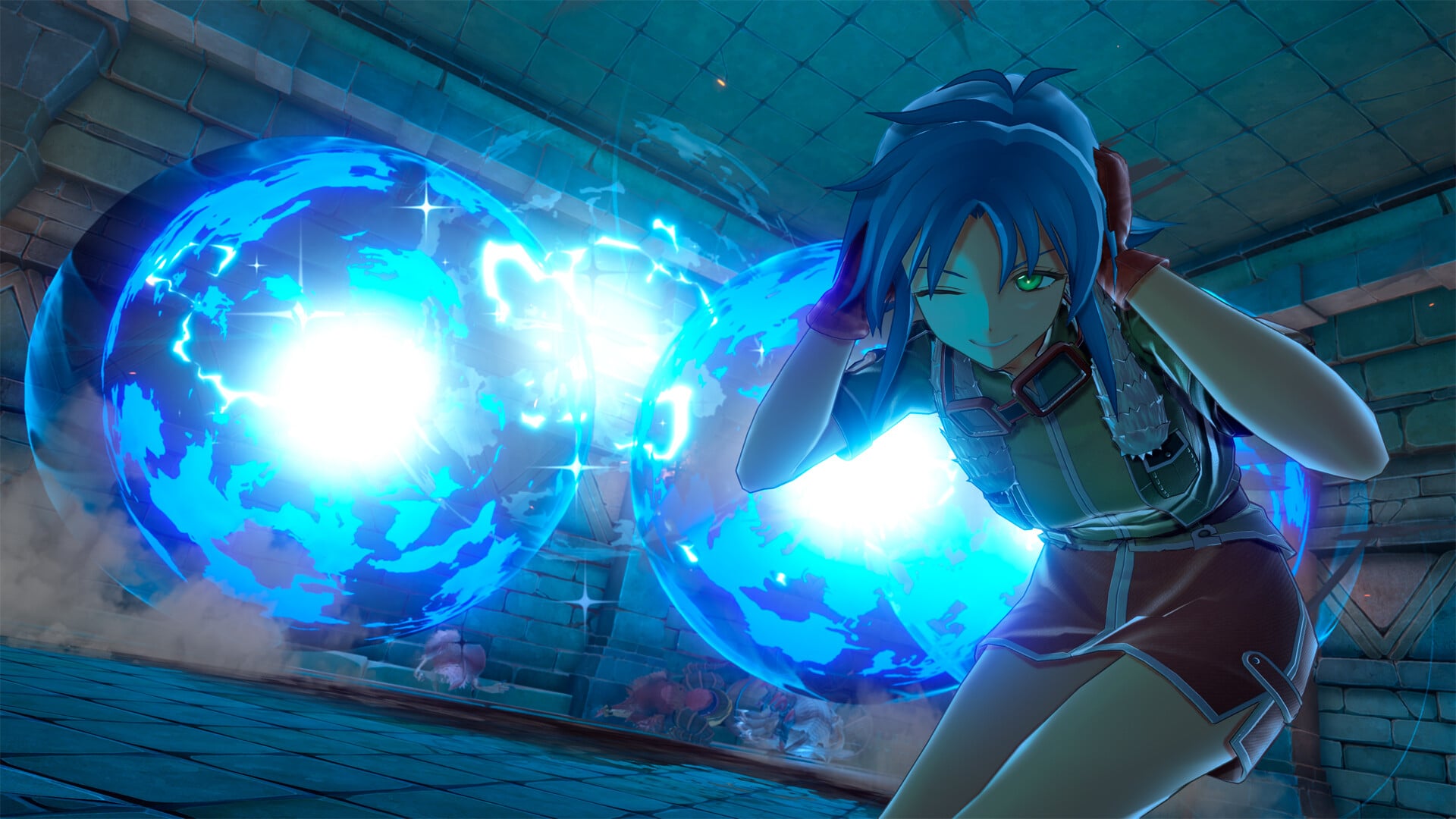
Trails in the Sky SC employs the hybrid combat system introduced when the series shifted into the Calvard arc with Trails Through Daybreak. Enemies exist on the overworld as direct threats; players can attack them dynamically or transition into traditional turn-based RPG battles, with strategic advantages granted for initiating combat from favorable positions. The implementation functions smoothly and feels snappy. Character movement during turns opens tactical possibilities: abilities gain benefits when cast from different angles, and positioning creates constant micro-decisions about spatial advantage and resource use.
What This System Lacks
However, Trails in the Sky SC strips away tactical flourishes that modern Trails games have added. The Calvard arc introduced pairing mechanics—placing characters adjacent to one another unlocks special abilities and follow-up attacks, creating tension between maximizing offensive output and maintaining positioning benefits. The boost gauge evolved into a resource with multiple strategic applications. Here, the boost gauge primarily fuels massive team attacks. Compared to the richness available in Trails Beyond the Horizon, combat offers a smaller decision space and fewer interesting moments of tactical consideration. Players transitioning from recent entries may feel the simplification keenly.
Historical Justification
The design choice admits reasonable explanation: Estelle fights in 1202, substantially before the technological innovations that later characters leverage in battle. The combat system’s relative simplicity mirrors the historical period. These characters lack access to the advanced techniques that make modern Trails battles mechanically complex. Series veterans understand this context. Players seeking constant mechanical evolution should adjust expectations, though those content with competent, straightforward combat will find nothing wrong with the implementation.
Enduring Quest Framework
Trails in the Sky SC preserves the quest structure that has remained consistent across the entire franchise since its inception. The protagonist’s profession determines the narrative function of side questing: Estelle works as a bracer, a hybrid role combining monster hunting and general-purpose adventuring for hire. This framework never truly changes across games, though settings and characters constantly shift. The structure sustains eighty-plus hours of gameplay without wearing thin, suggesting Falcom’s foundational design remains sound across more than two decades of iteration.
Access Point for Newcomers
These remakes exist for strategic reasons beyond nostalgia. The original games haven’t aged poorly, yet they never reached every potential player. The improved localization in both Sky remakes removes friction that might otherwise deter unfamiliar players. For anyone who reaches Trails in the Sky SC, every signal points forward: the franchise builds across multiple story arcs, each centered on different protagonists and nations, all set within the same world across a shared timeline of slightly less than a fictional decade. Beginning with a properly presented version of the Sky duology positions newcomers to undertake the long journey ahead. The series’ commitment to character growth and world expansion across games makes early entry meaningful. Falcom has extended an invitation through refined presentation and narrative clarity. Taking it rewards players with entry into one of gaming’s most ambitious long-form storytelling projects.
Frequently Asked Questions
What are the main improvements in Trails in the Sky 2nd Chapter over the first remake?
Localization received a complete overhaul with a new team of producers and translators. Inconsistent terminology was corrected—'archaism' is no longer rendered as 'orbal golem,' location names maintain their original specificity, and character pronunciation stays consistent. The script also strengthens character writing, particularly for protagonist Estelle Bright, making the story feel intentionally written rather than dutifully translated.
How does the combat system compare to newer Trails games like Trails Beyond the Horizon?
Both games use a hybrid action and turn-based system, but Trails in the Sky SC lacks the pairing mechanics and expanded boost gauge applications present in modern entries. In this game, the boost gauge primarily activates team attacks. The simpler system reflects the historical setting of 1202, predating the technological innovations later characters use in battle.
Is Trails in the Sky 2nd Chapter a good starting point for new players?
Yes. While the story directly continues from the first game's cliffhanger, the improved localization in both remakes now provides a proper foundation for newcomers. The franchise spans multiple story arcs across different nations within Zemuria, with less than a fictional decade passing between Trails in the Sky and the current timeline, making early entry meaningful for players willing to invest in long-form storytelling.
