
Key takeaways
- Supermassive Games laid off 70 employees on October 5, less than six months after releasing Directive 8020.
- Directive 8020 had strong horror moments but suffered from poor writing and launched without online multiplayer functionality.
- The studio lost control of Until Dawn, with the 2027 sequel now being developed by PlayStation's Firesprite instead.
- The layoffs represent approximately 17 percent of Supermassive's workforce following financial warnings issued in August.
Supermassive Games laid off over 70 employees on October 5, less than six months after releasing Directive 8020. The studio, known for interactive horror games including The Quarry and The Dark Pictures Anthology, announced the cuts through Frank Tindle, its IT and Facilities Director. “I joined in 2010 as the IT department, all of it, and I leave as IT & Facilities Director and a member of the Senior Leadership Team,” Tindle wrote on LinkedIn. He noted that the studio grew from a handful of employees to over 400 people during his 16 years there. “More than 70 brilliant people are leaving Supermassive: developers, artists, producers, QA, operations and more,” he continued, offering to help departing staff find positions elsewhere.
A Studio Built on Interactive Horror
Supermassive Games built its reputation on narrative-driven horror titles where player choices determine outcomes. The Quarry launched in 2022, The Casting of Frank Stone in 2024, and The Dark Pictures Anthology spans multiple entries over several years. These games occupy a niche space within the horror genre, attracting dedicated audiences despite never achieving blockbuster sales or strong critical acclaim.
Reception vs. Commercial Reality
None of Supermassive’s horror titles reached mainstream success. Critical reviews consistently noted ambitious ideas undermined by execution issues. Yet the games found loyal communities of horror enthusiasts willing to engage with experimental storytelling mechanics. This narrow audience base, while passionate, may not generate sufficient revenue to offset AAA development budgets.
Directive 8020’s Mixed Reception
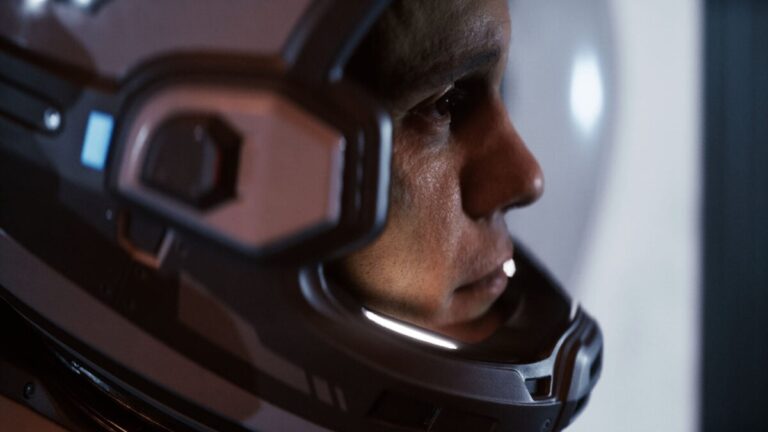
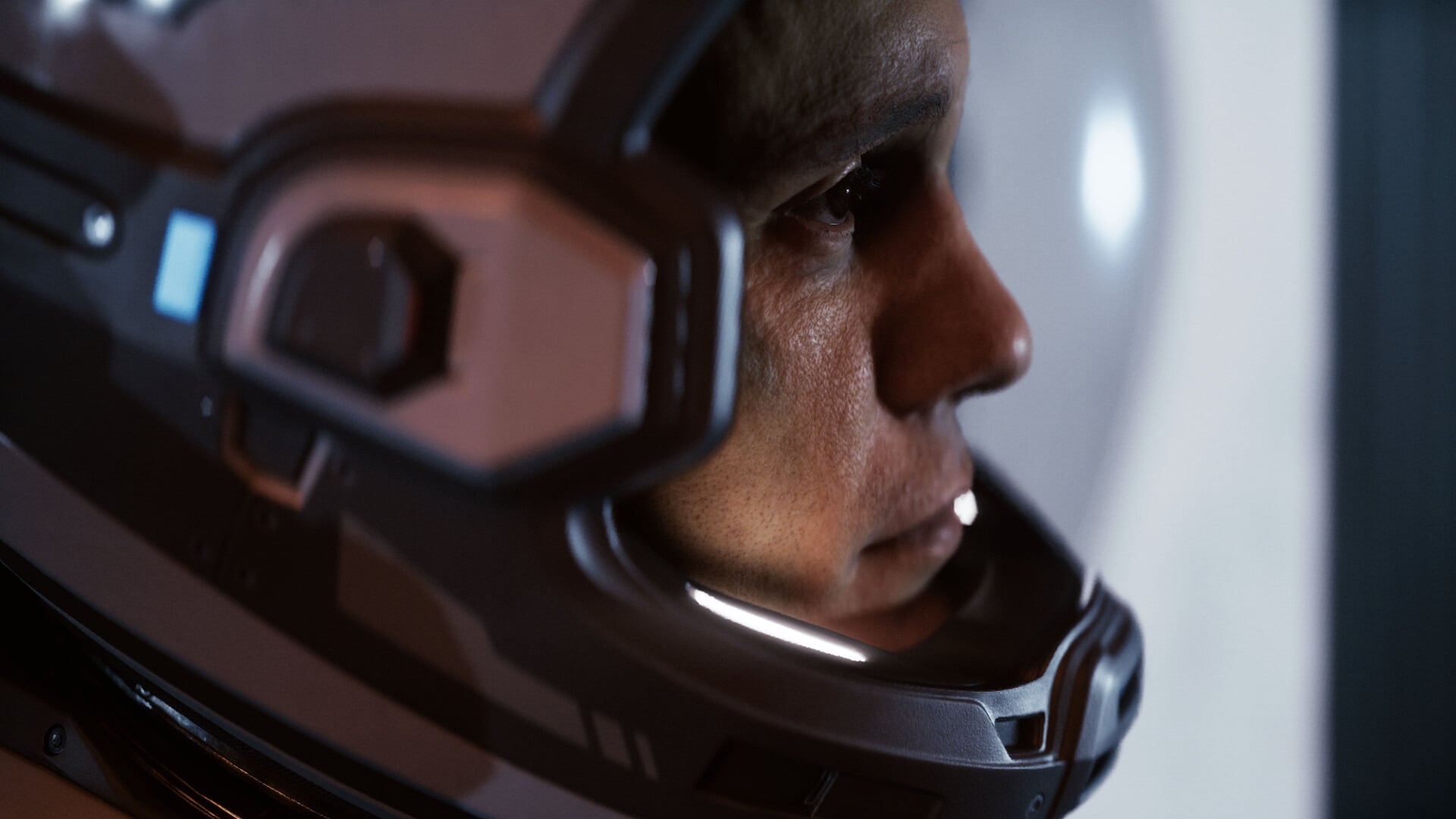
Directive 8020 represented the studio’s sci-fi horror pivot. According to Kotaku, the game delivered some of Supermassive’s strongest horror moments yet. The sci-fi setting offered new thematic ground compared to the studio’s previous work. However, the experience suffered from poor writing and a critical missing feature at launch: online multiplayer functionality.
Launch Issues and Prolonged Delays
Directive 8020 shipped with Movie Night mode for local co-op play between multiple controllers. The promised online multiplayer component was absent, a significant gap for a game marketed around co-op experiences. Only recently did Supermassive announce that online co-op would arrive in October, nearly five months after the game’s launch.
The Multi-Month Patch Delay
A five-month lag between launch and a core feature’s availability suggests either significant technical challenges or resource constraints. Modern players expect post-launch support, but missing a marketed feature at release creates immediate perception problems. The extended wait likely damaged player retention during Directive 8020’s crucial opening weeks, when word-of-mouth momentum matters most.
The August Warning
Supermassive issued a troubling statement in August, signaling financial difficulties ahead. “This is a necessary step to help ensure the sustainability of the company,” the studio wrote. The phrasing suggested more than routine restructuring. The studio appeared to give itself two months to explore options before resorting to significant layoffs.
The two-month gap between the August warning and October layoffs indicates leadership attempted other solutions first. No major announcements of IP sales, licensing deals, or publisher partnerships emerged during this period. The timing implies all alternatives were exhausted before the decision to cut 70 positions from a 400-person workforce, representing approximately 17 percent of the company.
Until Dawn’s Departure
The cuts took on additional significance given Supermassive’s separation from its most valuable franchise. Until Dawn, the studio’s flagship horror property, spawned a 2027 sequel now in development at Firesprite, a PlayStation Studio. This represents a loss of both revenue and creative control over Supermassive’s most recognizable intellectual property.
Until Dawn defined Supermassive’s industry identity. Its 2015 release resonated with audiences through survivor horror storytelling, celebrity cast members, and meaningful player agency. The franchise’s commercial success exceeded other Supermassive titles significantly. That a sequel is being developed elsewhere suggests publisher confidence in Supermassive’s ability to deliver major titles may have eroded considerably.
The Broader Market Challenge
Supermassive’s situation reflects structural challenges within a specific market segment. Interactive narrative games require substantial investment in writing, performance capture, and branching content architecture. Revenue from these titles, even when commercially successful, often fails to justify production costs when compared to mainstream action or multiplayer-focused releases.
The studio retains The Dark Pictures Anthology and other properties following the layoffs. Whether these franchises can sustain viable operations with 17 percent fewer employees remains uncertain. The path forward depends on these remaining titles finding larger audiences or securing investment that restores publisher confidence in Supermassive’s game-making approach.
Source: Kotaku
Frequently Asked Questions
When did Supermassive Games announce these layoffs?
On October 5, 2026, Supermassive Games announced the layoffs through Frank Tindle, the studio's IT and Facilities Director, who posted about the cuts on LinkedIn.
What was wrong with Directive 8020?
According to Kotaku, while Directive 8020 had some of Supermassive's best horror moments, the game suffered from poor writing and launched without online co-op. The studio did not announce the online multiplayer patch until nearly five months after release.
Why does the Until Dawn change matter for Supermassive?
Until Dawn is Supermassive's most valuable franchise. The 2027 sequel is being developed by Firesprite, a PlayStation Studio, meaning Supermassive no longer has control over or revenue from its flagship property.
