
Key takeaways
- God of War Laufey's £130 collector's box deliberately excludes the game, requiring players to spend an additional $70 to play the title.
- Sony is repeating the Ragnarok collector's edition controversy intentionally, having learned there were no lasting consequences for the 2023 mistake.
- God of War Laufey is exclusive to PlayStation 5, eliminating any cost-saving argument Sony might make about multi-platform production complexity.
- The collector's box likely costs $60 to produce, making game inclusion negligible in cost but valuable in customer perception.
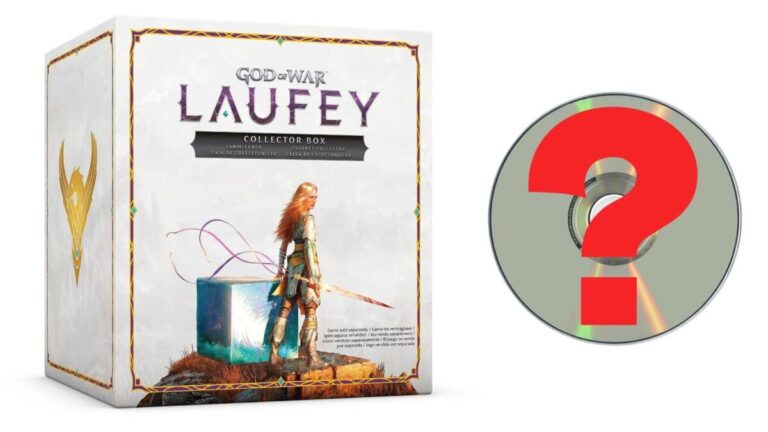
God of War Laufey’s collector’s box has been announced with a price tag of approximately £130 in the UK market, with US pricing still to be confirmed. The package contains a light-up resin statue of Faye, a 51-card Oracle deck, and an art book. One thing is conspicuously absent: the game itself. Players who want to actually play God of War Laufey will need to spend an additional $70 beyond the collector’s box price.
What’s Inside the Collector’s Box
The box was initially spotted on the Spanish PlayStation Store before appearing across other regions. The centerpiece is a resin statue of Faye fighting enemies with her signature sword, adorned with a purple ribbon and fitted with illuminated blue cubes. Alongside the statue sits a 51-card Oracle deck, each card featuring unique artwork tied to Faye’s journey and themed around Everywhen magic. The final component is what’s described as a ‘mini artbook,’ a smaller companion piece rather than a full-size volume.
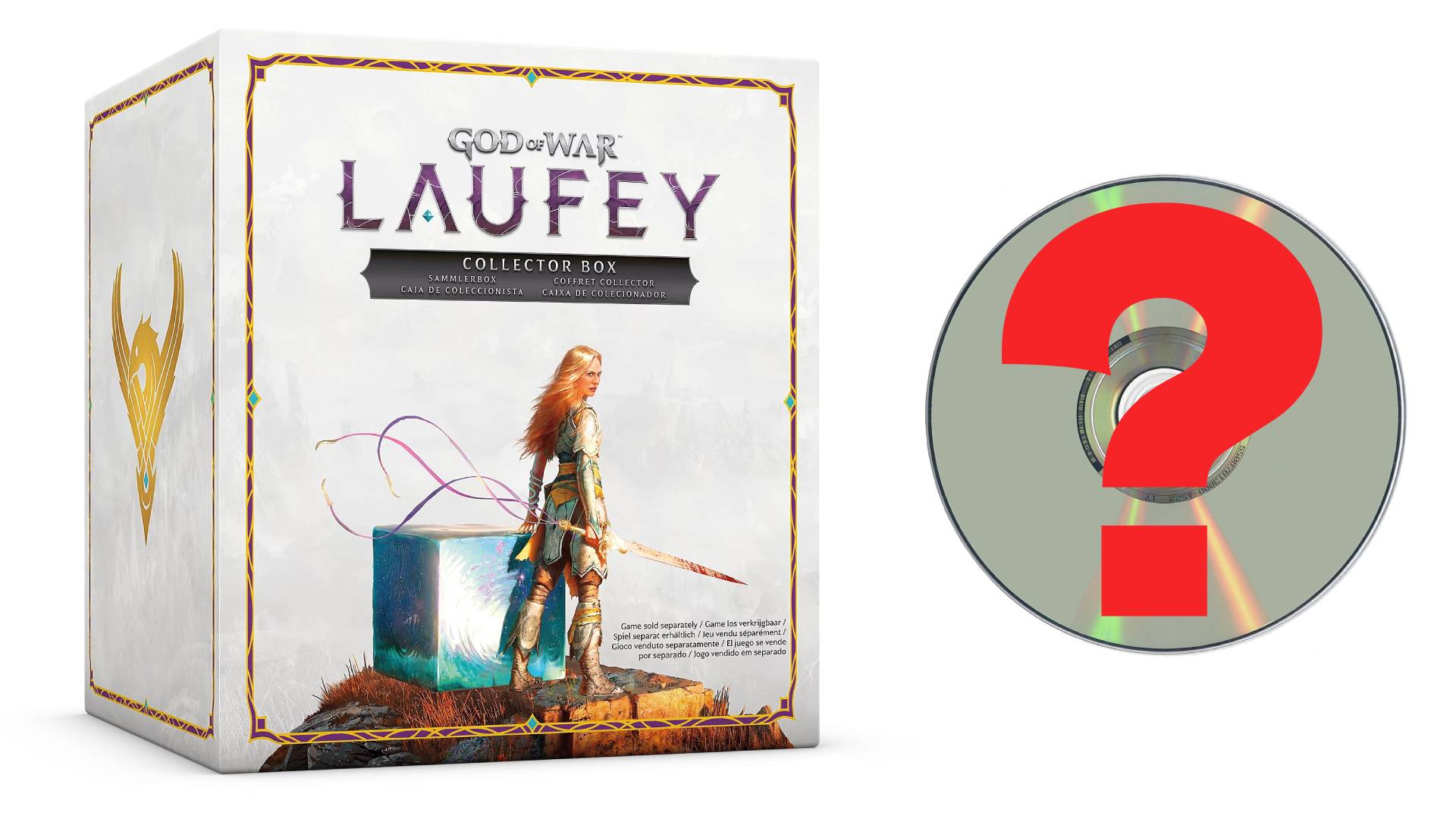
For a release positioned as premium merchandise at over £100, the collection’s scope is relatively modest. The statue’s LED elements and the deck’s thematic design suggest production quality befitting the price, yet the package deliberately stops short of including the most obvious item: a way to play the game these collectibles celebrate.
The Absence of the Game
Production Costs Tell the Story
The collector’s box likely costs around $60 to produce in total, accounting for the statue, cards, and artbook. Including a download code for God of War Laufey would add minimal expense, essentially the cost of printing or encoding a single line of text. Yet Sony chose not to include it, creating a separation between merchandise and the actual product. Players must pay £130 for collectibles plus $70 for the game, a total approaching $230 for someone starting from nothing.
This structure reveals the real economics at play. The gap between production cost and retail price isn’t absorbed by licensing fees or platform complexity. It’s profit, extracted by refusing to bundle the game itself with products specifically designed to capitalize on Laufey’s appeal.
A Contrast With Physical Releases
God of War Laufey is receiving a physical release on PS5, which makes this decision even harder to justify. Grand Theft Auto 6’s $400 collector’s edition at least operates under the constraint that GTA 6 exists only digitally; there’s an argument, however weak, for keeping the game separate. Laufey has no such excuse. Gamers will be able to walk into a store and buy a physical copy of the game separately from the £130 collector’s box, rendering any claim about production or logistics moot.
Repeating a Controversy from Ragnarok
2023’s Broken Promise
Three years ago, God of War Ragnarok released with two premium editions: the Collector’s and the Jötnar Edition. Both were marketed as including download codes for the full game. They didn’t. Early buyers received boxes containing statuary, steelbooks that held no disc, and no code to play the game they believed they’d purchased. Sony later acknowledged this as an error and worked to correct it for affected customers.
From Mistake to Intention
The crucial difference between Ragnarok and Laufey is intent. Ragnarok’s omission was presented as a failure, an accident to be fixed. Laufey’s omission is deliberate, baked into the product from announcement. Sony took a mistake, learned that customers would accept it when framed as a supply-chain glitch, and transformed it into policy. The company discovered it could repeat the practice and face no lasting consequences.
Rockstar’s Expensive Precedent
Grand Theft Auto 6’s $400 collector’s edition normalized the idea that premium boxes exist entirely separately from game access. At nearly six times the cost of a standard collector’s edition, it signaled that ultra-premium merchandise operates under different rules. God of War Laufey’s £130 price sits between standard and GTA 6’s extreme, occupying a middle position that feels premium without triggering the obvious absurdity of a $400 item.
Why Publishers Do This (And Why It Doesn’t Apply Here)
The Multi-Platform Argument
The typical justification for excluding games from collector’s editions involves multi-console releases. When a box might be sold for PlayStation, Xbox, and PC, producing different regional codes or managing inventory across three ecosystems multiplies complexity. A single universal game code sidesteps these headaches, but it requires producing separate SKUs, regional variants, and coordinated fulfillment. This explanation carries weight for truly multi-platform releases.
The Laufey Exception That Proves the Rule
God of War Laufey is exclusive to PlayStation 5. No multi-platform burden exists. No inventory management across three console ecosystems. No regional code variants to coordinate with different versions of the box. The primary cost-saving argument simply doesn’t apply. The omission appears less like a response to genuine production challenges and more like an experiment testing whether customers will accept paying premium prices for merchandise that requires a separate, full-price purchase to actually use.
What Collectors Are Actually Paying For
When someone pays £130 for a statue, deck, and artbook without the game, they’re not buying a complete God of War experience. They’re buying decor and collectible merchandise licensed under the God of War brand. The collector’s edition has transformed from a premium version of the game into a standalone product category entirely. The $70 game purchase is separate, a requirement if players want to actually engage with the content, but no longer bundled with the ‘premium’ package.
This restructuring maximizes profit at both points of sale. The merchandise carries high margins and appeals to collectors who want decor. The game retains its $70 price and appeals to players. Those who want both pay significantly more than they would for a traditional collector’s edition that included the game, but they pay it across two separate transactions.
Moving Forward
After Ragnarok, Sony could claim error and restore faith. Laufey removes that option. The company has demonstrated the practice works: customers either accept it or, more likely, that sufficient customers accept it that the revenue generated outweighs the criticism. Until collector’s editions without games demonstrably underperform compared to those with games included, or until the backlash damages the God of War brand’s reputation severely enough to warrant reversal, the practice will likely continue.
Source: PlayStation, via Kotaku
Frequently Asked Questions
Does God of War Laufey's collector's box include the game?
No. The £130 collector's box includes only a light-up statue of Faye, a 51-card Oracle deck, and an art book. The game costs an additional $70.
Is this the first time Sony has released a collector's edition without the game?
No. God of War Ragnarok's Collector's and Jötnar Editions also omitted game codes in 2023, though Sony later corrected this as an error. Laufey's omission is deliberate and by design.
Why doesn't the collector's box include the game?
The typical industry justification involves multi-platform production costs, but God of War Laufey is PlayStation 5 exclusive, making that argument irrelevant. The omission appears to be an exercise in maximizing profit margins.
