
Key takeaways
- An AI-generated character named Tiffany Sloan accumulated 375,000 Instagram followers in three weeks by stealing jokes from real comedians, with one video reaching 7 million views.
- Comedian George Brett Olson discovered on October 3 that his joke and outfit had been directly copied into a Tiffany Sloan video, revealing a systematic theft operation across multiple accounts.
- Meta's engagement-based monetization system rewards stolen content identically to original content, creating direct financial incentive for content theft via AI tools.
- The operation used AI-generated deepfakes with celebrity faces and extended to multiple platforms including OnlyFans, suggesting a coordinated long-term scheme rather than isolated incidents.
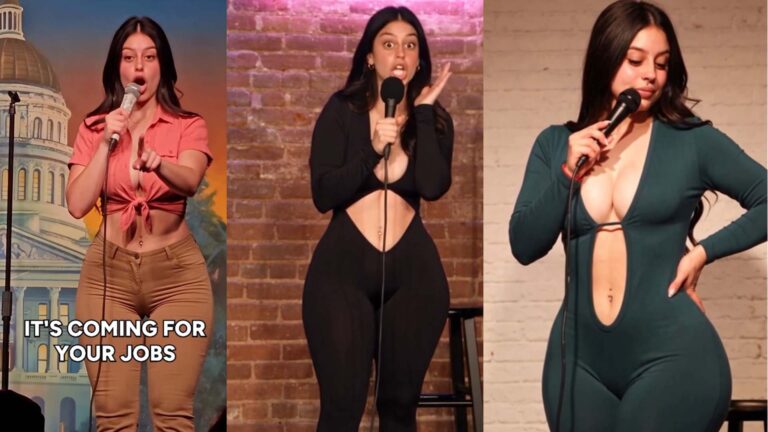
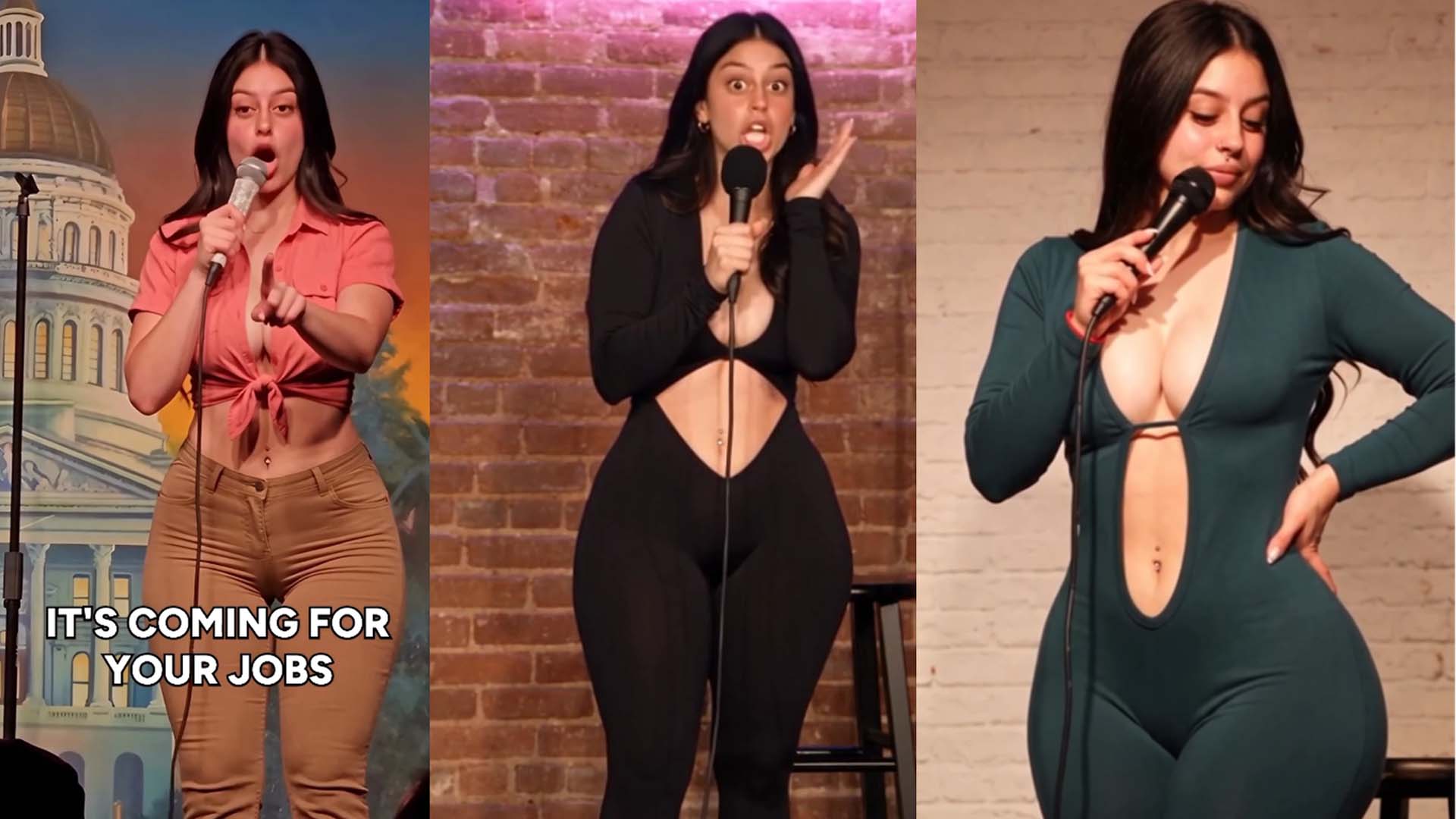
An AI-generated character named Tiffany Sloan has quietly become one of Instagram’s fastest-growing creators in recent weeks. Since the account launched on September 11, it has accumulated over 375,000 followers while uploading 75 videos featuring an AI-generated woman delivering stand-up comedy routines in front of fake audiences. One video alone surpassed 7 million views in under two weeks, making Tiffany Sloan a genuine viral phenomenon on Meta’s platforms.
The character’s rapid ascent took a darker turn when comedian George Brett Olson discovered that his own material had been lifted wholesale into one of Tiffany Sloan’s videos. What followed exposed not just a single instance of theft, but a systematic operation that reveals fundamental weaknesses in how social media platforms handle stolen content and monetization.
The Theft Exposed
On October 3, Olson posted a direct comparison between one of Tiffany Sloan’s videos and an excerpt from his own stand-up performance. The similarities went beyond the joke itself. The punchline structure, the delivery, and even the outfit worn during the performance matched Olson’s original material. This was not a case of coincidental overlap or inspiration drawn from shared comedic traditions—it was direct reproduction.
Beyond a Single Case
Olson’s initial complaint quickly widened. He claimed that multiple comedians have discovered their material incorporated into videos on the Tiffany Sloan account and similar accounts using different AI-generated performers. The pattern suggested a coordinated effort rather than isolated incidents. The creator behind Tiffany Sloan had apparently built a system for harvesting jokes and repackaging them through AI-generated videos.
How the Theft Works
According to Olson’s observations, the operation may involve multiple accounts, each featuring AI-generated women of various races telling the same stolen jokes. The strategy appears designed to test which variations generate the most engagement, allowing the creator to identify which version of a stolen joke the algorithm rewards most heavily. A single original joke could be filmed dozens of times with different AI performers, different clothing, different settings, and different visual treatments. Each variation becomes a separate upload with its own potential to go viral.
The Industrial Scale of Content Theft
The scope of the Tiffany Sloan account demonstrates how AI tools have lowered the barrier to mass content production. In just three weeks, 75 videos had been published—a pace that would be impossible for a human creator working alone. The AI-generation tools made it feasible for one person to flood multiple accounts with fresh-looking content while the actual creative labor was performed by algorithms trained on existing material.
Deepfakes and Multiple Platforms
The operation extended beyond simple video uploads. Tiffany Sloan appeared in videos featuring deepfaked scenes with celebrity faces including Kaley Cuoco and Danny DeVito. The account also launched a presence on OnlyFans, establishing yet another revenue stream from stolen content. These moves suggest the creator had designed a long-term operation spanning multiple platforms rather than a temporary stunt.
Zero Original Creation
Not a single joke in the Tiffany Sloan videos appears to be original material. The entire operation consisted of extracting material from professional comedians, processing it through AI tools, and repackaging it for distribution. The creator invested effort in multiplying variations and testing which versions performed best algorithmically, but none of that effort went into actual creative work.
How Meta’s System Enabled the Theft
Meta’s monetization architecture played a direct role in making this scheme profitable. The platform’s revenue-sharing programs reward accounts based on views, engagement, and clicks. An account that accumulates 375,000 followers and generates millions of views becomes eligible for multiple income streams. Critically, Meta’s systems do not distinguish between original content and stolen content when distributing revenue.
The 7-million-view video that made Tiffany Sloan famous generated real money, and that money went directly to the account holder who stole the joke. Engagement drives revenue, and engagement is completely divorced from originality in Meta’s model. An algorithm optimizes for views without any built-in mechanism to verify that the content is legitimate.
The Monetization Timeline
By the time the theft allegations surfaced, the Tiffany Sloan account had already begun monetizing its stolen material. The account had reached a follower count and view total that qualified it for revenue sharing. Meta’s systems had already begun paying out for content that belonged entirely to other creators.
The Incentive Problem
Meta created an economic incentive for this exact type of exploitation. When a platform pays based on engagement alone, it rewards whoever can maximize views regardless of method. The cost of AI-generated content is minimal—a few dollars for API access to generative tools. The risk of consequences is low when an account can be created anonymously and quickly replaced if shut down. The potential financial reward is substantial if even a fraction of uploaded videos reach millions of viewers.
Why Platforms Have Failed Original Creators
For comedians, musicians, writers, and other creators, the Tiffany Sloan case represents a new category of professional theft. A comedian who spends months developing, testing, and refining jokes watches that work stolen, packaged into viral videos, and monetized by someone else entirely. The original creator receives zero compensation.
The problem extends beyond individual financial harm. Stolen content pollutes the broader information ecosystem. Users scrolling through Instagram encounter material that appears fresh but is derivative of work created elsewhere. The ease of generating AI variations of stolen jokes encourages passive consumption rather than engagement with the original creators who deserve both audience and compensation.
Meta’s failure to address this pattern suggests the company prioritizes the volume and velocity of content distribution over the legitimacy of that content. Creating systems to verify originality would require investment and would potentially slow growth. From a business perspective, the current system is working exactly as designed—it maximizes engagement metrics and keeps users on platform.
The Broader Landscape
The Tiffany Sloan account became notable primarily because a comedian with an audience noticed and spoke up publicly. Hundreds or thousands of similar operations likely exist across multiple platforms, stealing different categories of content at different scales. Music, visual art, writing, and comedy are all vulnerable to the same systematic harvesting and repackaging that Olson documented.
What distinguishes this case is that it became visible. Most stolen-content operations operate in obscurity, their origins and ownership unclear to audiences. The sheer scale of Tiffany Sloan’s growth—375,000 followers in three weeks—made the account too obvious to ignore.
Source: Kotaku
Frequently Asked Questions
Who is Tiffany Sloan and how did the account grow so quickly?
Tiffany Sloan is an AI-generated character that appears in Instagram Reels telling jokes in front of fake audiences. The account launched on September 11 and accumulated over 375,000 followers in three weeks while posting 75 videos, with one video reaching 7 million views in under two weeks.
How did the joke theft get exposed?
Comedian George Brett Olson posted a video comparison on October 3 showing that a Tiffany Sloan video had stolen his joke, including the same outfit and delivery. Olson claimed multiple comedians had their material stolen by the account and similar accounts using different AI-generated performers.
How does Meta's system enable this kind of content theft?
Meta's monetization programs reward accounts based on views and engagement without distinguishing between original and stolen content. The platform's algorithms and revenue-sharing systems treat stolen jokes identically to original material, creating direct financial incentive for theft while the creator remains anonymous and faces minimal consequences.
