
Key takeaways
- Phil Tippett's legendary animation studio in Berkeley closed after filing for bankruptcy, but a comprehensive archive of unseen materials from his filmography was discovered during liquidation and preserved on the Internet Archive.
- The collection includes behind-the-scenes materials from Star Wars, Jurassic Park, RoboCop, and Hellboy—approximately 90 ISO disc images containing hundreds of high-resolution images and videos covering four decades of effects work.
- Tippett pioneered stop-motion animation that defined 1980s-90s science fiction filmmaking, but the technique has been largely abandoned as the industry shifted to digital effects, leaving few studios with the expertise he developed.
Phil Tippett’s legendary studio in Berkeley, California closed in August following a Chapter 11 bankruptcy, ending decades of pioneering work in practical effects animation. The shutdown eliminated one of Hollywood’s most influential creative institutions, where creatures for Jurassic Park, monsters for RoboCop, and aliens for Star Wars came to life through meticulous stop-motion craftsmanship. The closure might have meant the loss of countless production documents, construction photographs, and technical files accumulated over four decades. Instead, during the studio’s liquidation sale, an observant collector made a discovery that may have rescued a significant piece of cinema history from obscurity.
An Archive in the Garage Sale
The collector who attended the studio liquidation spotted something others likely overlooked: a binder of compact discs. That simple purchase turned out to contain hundreds of high-resolution images and videos spanning the studio’s entire filmography. Rather than keep the materials private or sell them to collectors, the buyer uploaded approximately 90 ISO disc images to the Internet Archive, making them permanently accessible to the public. The decision reflected a commitment to preservation that stands in contrast to how the entertainment industry typically handles its archives.
The archivist explained the reasoning in notes accompanying the upload: “I quickly realized that some of this information wasn’t available online and might not ever be in the future in such high resolution. So I purchased the disc folder and digitized all of its contents. What you have here are .ISO image files of the 90 key, non-duplicated discs from Tippett’s archives.”
Inside the Collection
Star Wars and beyond
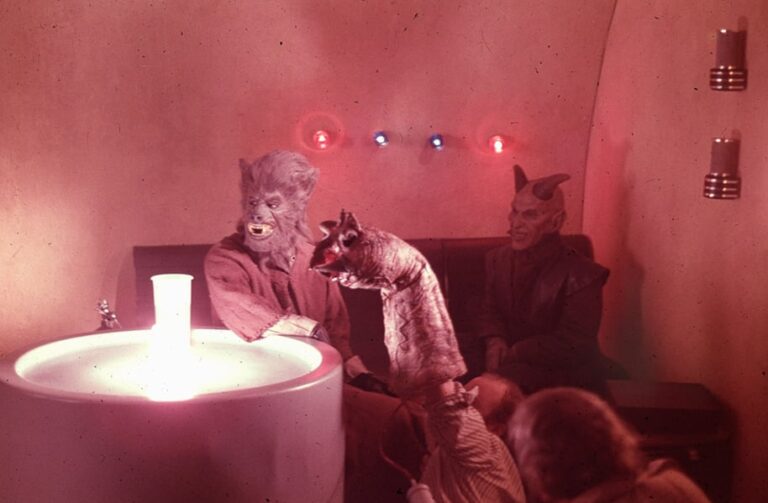
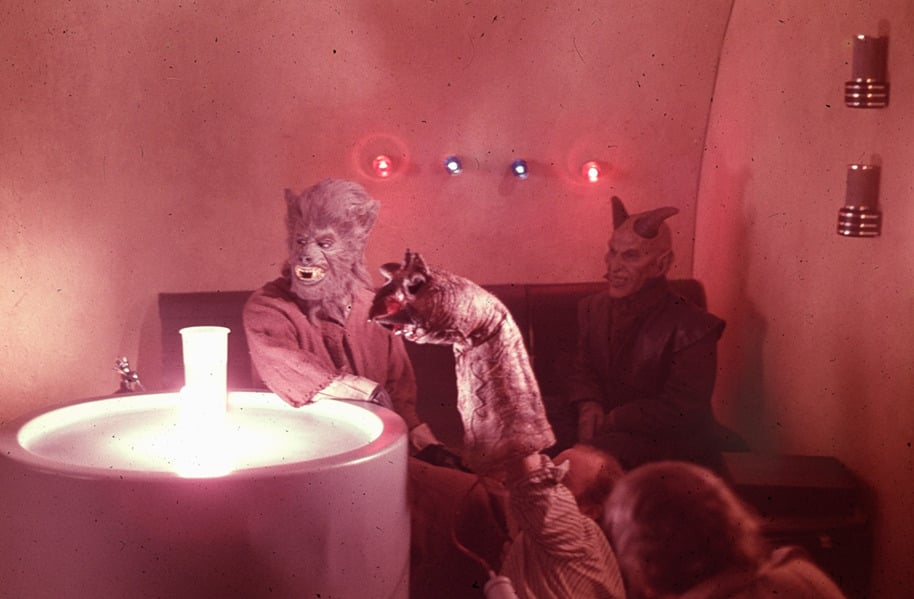
The collection includes behind-the-scenes documentation from Star Wars across multiple films. Photographs reveal the construction and setup of the famous cantina scene, while technical files show the design process for the dozens of alien creatures that populated the galaxy. Among the preserved materials are reference files for the hologram chess pieces, the trash compactor creature, and countless other practical creations. These documents offer insight into how effects artists problem-solved and innovated under deadline and budget constraints.
A comprehensive filmography
The archive extends across Tippett’s extensive filmography beyond Star Wars. Documentation of RoboCop’s ED-209 robot shows the construction process for one of cinema’s most iconic mechanical creations. Files contain detailed skin texture models and construction data for Abe Sapien in Hellboy. Wireframe and animation files from Jurassic Park reveal how dinosaurs were brought to life at a crucial moment when practical and digital effects were beginning to merge. The collection even includes photographs from Ray Harryhausen’s 90th birthday celebration, a gesture toward one of Tippett’s artistic predecessors and influences.
Knowledge preserved
Beyond the artifacts themselves, these files represent knowledge and process. They show how problems were identified and solved, what alternatives were rejected, and how teams collaborated across disciplines. For researchers studying visual effects history, for animators learning the craft, for historians documenting this era of cinema, these materials provide invaluable primary sources. They are not just finished products but evidence of how those products came to be.
The Craft of Stop-Motion
Tippett earned his reputation through mastery of stop-motion animation, a technique requiring the construction of physical puppets and frame-by-frame photography to create the illusion of movement. His work defined the visual language of 1980s and 1990s science fiction and action cinema at a time when digital effects barely existed as a viable alternative. Each creature demanded meticulous craftsmanship: sculptors shaped the forms, engineers built complex internal structures that allowed for subtle movement, and animators spent weeks or months bringing individual models to life, one frame at a time. This process required specialized knowledge, dedicated teams, and significant budgets.
As digital effects matured through the 1990s and 2000s, studios gradually abandoned practical methods in favor of computer-generated imagery that offered greater flexibility and, often, lower costs. The shift was economic and practical: computers could create effects more quickly, modify designs without rebuilding models, and achieve certain visual effects that practical methods struggled with. Tippett’s studio closure represents the end of an institution built on a technique that has become a rarity rather than a standard in contemporary filmmaking. Few studios maintain the expertise, few producers choose to fund practical effects when digital alternatives exist, and fewer young craftspeople pursue the skill.
Preserving Cinema History
Entertainment companies rarely preserve comprehensive production documentation. When a studio closes, its accumulated materials—photographs, test footage, design files, technical specifications, even physical models and puppets—often vanish into storage units, private collections, liquidation auctions, or the trash. The loss erases not just the historical record but the embodied knowledge of creative problem-solving that shaped a generation of visual storytelling.
The Internet Archive’s role in housing these materials marks an important moment in how cinema history gets preserved. Rather than relying on studios or corporations to maintain records, public institutions and engaged citizens are stepping in to ensure preservation. This model of distributed preservation may become increasingly necessary as the entertainment industry consolidates and legacy materials become liabilities rather than assets in the eyes of corporate accountholders.
Tippett’s Next Chapter
Despite the studio’s closure and financial difficulties, Tippett himself remains professionally active and not ready for retirement. He completed Mad God, an ambitious independent stop-motion film that required years of personal investment and demonstrated both the artistic power and significant toll of pursuing practical effects outside the studio system. The film’s lengthy production and Tippett’s decision to fund much of it himself underscores the challenge of continuing work in a technique that the commercial film industry has largely abandoned.
The appearance of his archive in the Internet Archive, preserved and accessible, may eventually change how the industry views his legacy and the techniques he mastered. As nostalgia for practical effects grows among creators fatigued by digital workflows, and as audiences increasingly engage with behind-the-scenes content, these materials could gain new relevance. The archive stands as both a conclusion to one era and a potential resource for those who might choose to revive certain aspects of the craft Tippett pioneered.
Source: Kotaku
Frequently Asked Questions
What happened to Phil Tippett's studio?
Phil Tippett's animation studio in Berkeley, California closed in August after filing for Chapter 11 bankruptcy. An anonymous collector who attended the liquidation sale purchased a binder of CDs and discovered it contained hundreds of unseen materials from the studio's archive spanning decades of filmmaking, which were then uploaded to the Internet Archive.
What materials are in the archive?
The archive contains approximately 90 ISO disc images with behind-the-scenes documentation from Star Wars (including the cantina scene and creature construction files), RoboCop's ED-209 construction records, Abe Sapien's skin texture models from Hellboy, Jurassic Park wireframe files, and materials from other films across Tippett's career—all in high-resolution format.
Is Phil Tippett still working?
Yes, despite the studio closure, Tippett remains professionally active and has stated he is not ready to retire. He recently completed Mad God, an independent stop-motion film he personally funded over several years, continuing his work even as practical effects have become a niche specialty in modern filmmaking.
