
Key takeaways
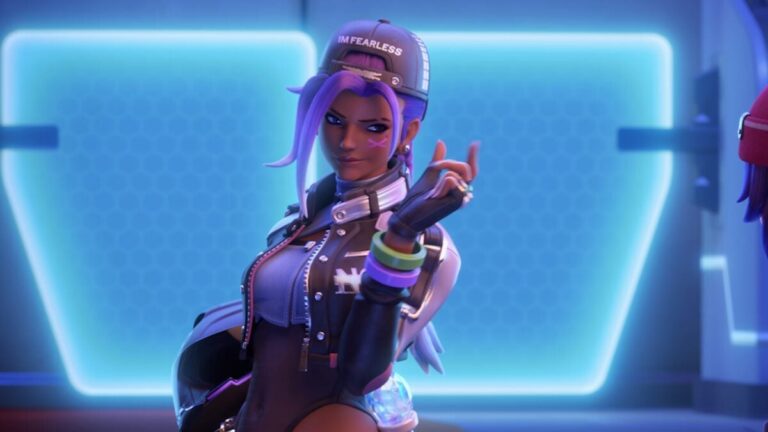
- Sombra becomes a Support hero in Overwatch Season 5 (October), ending her decade-long run as a Damage character with a fundamental identity shift.
- Her rework removes frequent hacking from normal gameplay, limiting ability disruption to her Ultimate (EMP), while adding a new Cyberspace heal-and-weaken mechanic.
- Sombra was the most-banned hero when Hero Bans were introduced, suggesting the changes respond to players struggling to counter her rather than to her actual playerbase.
- The character's progression reflects a pattern where Blizzard removed kit elements rather than refined them, gradually eroding the hit-and-run playstyle players chose her for.
In October, Season 5 will introduce Sombra as a Support hero in Overwatch, ending nearly a decade of her occupation in the Damage role. The shift represents the latest chapter in a long history of adjustments that have gradually transformed her playstyle, stripping away elements of her original identity with each iteration. For players who have remained loyal to the character, the announcement signals a fundamental loss—a rework that feels less like a necessary balance change and more like a capitulation to players who never invested the time to learn how to counter her.
The Perpetual Problem of a Saboteur
Sombra entered Overwatch at BlizzCon 2016 with a theatrical debut: she hacked the press conference itself, delivering her now-iconic introduction through an in-game cinematic before the crowd had even learned her name. Voice actor Carolina Ravassa’s delivery of the line “I thought this was supposed to be the most advanced security system on the planet” became an immediate cornerstone of the character’s identity. She was designed as a saboteur—a hero who could turn invisible, disable enemy abilities through hacking, and slip away to safety with her translocator before enemies could retaliate.
From Hit-and-Run to Committed Assassin
Throughout the years, Blizzard has chipped away at what made Sombra distinctive. Her original hit-and-run playstyle, built around getting in, hacking key targets, and teleporting to safety, gradually shifted. Later iterations made her a more committed assassin, capable of only short-distance teleports away from combat. Her invisibility, once a tool for constant repositioning, became less reliable. Each time Blizzard made significant changes to her kit, players who specialized in her had to adapt to a character that bore less resemblance to the one they originally chose.
When Balance Meant Removal
The pattern became clear: whenever Sombra proved effective in competitive play, Blizzard’s response was not refinement but excision. The team viewed her three core pillars—invisibility, the ability lock from her hack, and raw damage output—as fundamentally incompatible. Scott Kennedy, Overwatch’s Hero Designer, explained this philosophy at BlizzCon. “When she’s been able to do all three at a high level, it becomes really problematic,” he said. “So I think with this attempt, we are moving her into a Support role that allows you to sort of keep the core identity of the hero.”
The Ban That Started Everything
The turning point came when Overwatch instituted Hero Bans. Sombra was, by far, the most banned hero across the entire game—a distinction that spoke volumes about community frustration. Yet this frustration stemmed not from Sombra being overpowered in any conventional sense, but from the fact that countering her required game sense and awareness that many players lacked or refused to develop. Counter-playing Sombra meant listening for her sounds, tracking her positioning, and understanding when she was vulnerable.
A Menace to Those Who Wouldn’t Learn
That Sombra achieved “most banned” status said more about the broader playerbase than it did about her actual power level. Rather than invest in learning counterplay—turning around when hearing her, predicting her teleporter positions, or playing around her hack windows—many players simply voted to remove her from their matches entirely. Blizzard’s response, over years of patches, confirmed an uncomfortable truth: the team prioritized the experience of players fighting against Sombra over the experience of those who played her.
The Saboteur’s Original Purpose
By doing exactly what she was designed to do—sabotaging enemy plays and disrupting fights—Sombra became a menace in the eyes of a community that struggled to adapt. A well-timed hack could shut down a Cassidy’s High Noon as he aimed a barrage of headshots from high ground. Clipping Moira’s wings mid-flight as she floated and dealt endless damage and healing? That was Sombra at her finest. She was sneaky, deadly in the right hands, and capable of disrupting game-changing plays. This was precisely the problem, from Blizzard’s perspective.
What The Support Role Promises
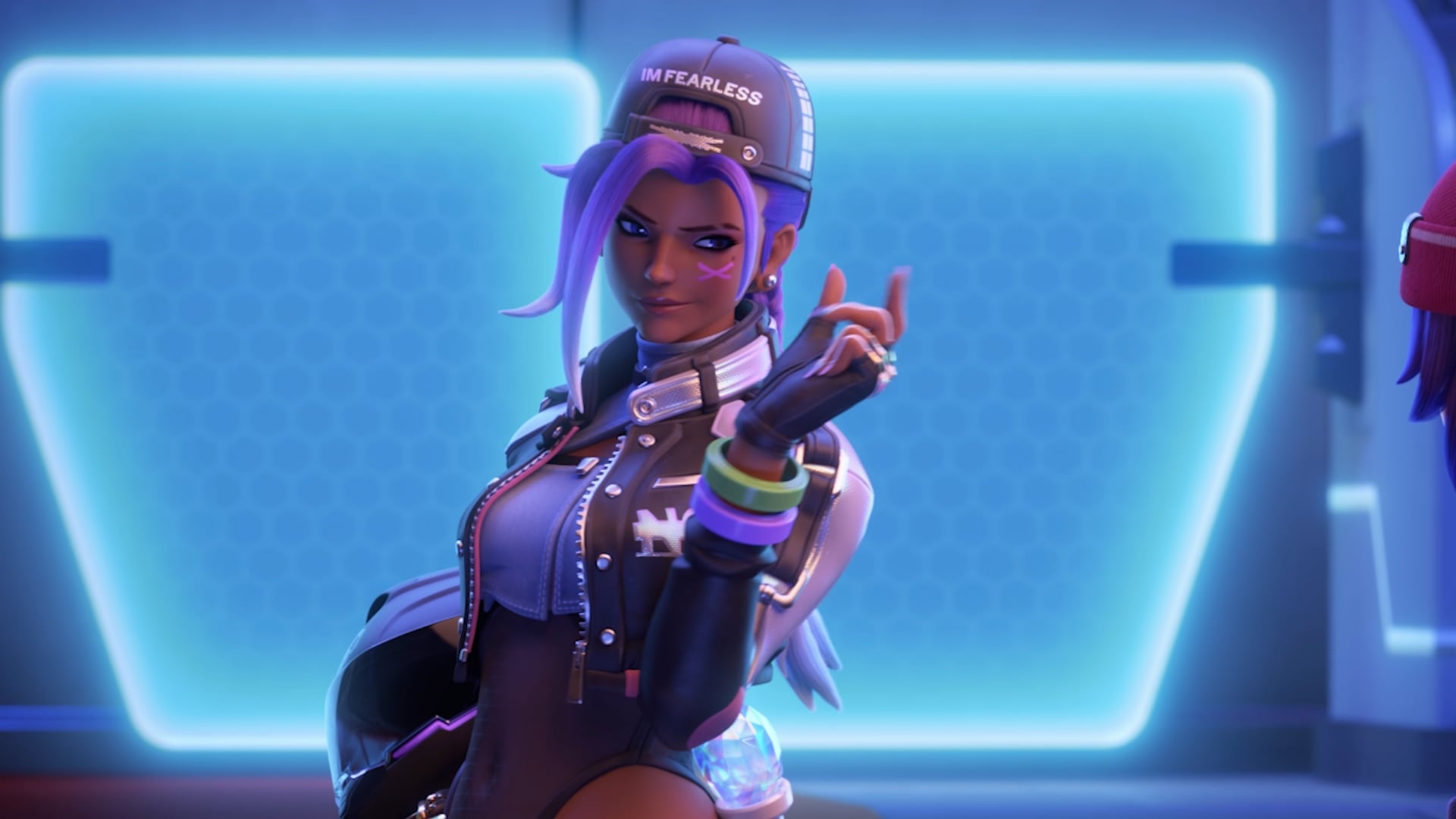
Kennedy’s explanation of the Support rework centered on a supposed compromise: keeping Sombra’s core identity while removing the elements that made her problematic. The translocator remains. Invisibility persists. Her ability to hack enemies, however, now arrives only through her Ultimate—the EMP—and far less frequently than before. To compensate, Sombra gains a new Cyberspace ability, a small area-of-effect zone that heals allies while weakening enemy damage and healing output.
A New Identity, Still Recognizable
The Cyberspace mechanic represents an attempt to preserve something of the saboteur fantasy. By weakening enemy healing and damage within its radius, it maintains a thread of Sombra’s disruptive identity while reframing her role as a supporter rather than a damage dealer. Kennedy emphasized the fit: “If you move her into a Support role, she doesn’t need to do damage, she doesn’t need to be able to quickly execute oppositions. You heal your allies, you’re allowed to move around the battlefield invisibly, and then sort of interact with the opposition and your allies at the same time.”
The Cost of Compromise
The trade-offs are substantial. Sombra loses the ability to freely hack enemies during normal gameplay, a mechanic that required significant game sense to use effectively. The satisfying moments that defined her—hacking a Sigma out of his Ultimate as he exposed himself in the air, shutting down an enemy’s game-ending play at the critical moment—those interactions are largely gone, relegated to the occasional EMP cast.
A Divided Community Responds
Reactions at BlizzCon reflected a stark division. Some players acknowledged that Sombra’s new Support abilities are genuinely useful and that she carves out her own niche within the role. Others, particularly longtime Sombra specialists, responded with a sense of mourning. The fundamental playstyle that had attracted them to the character for a decade was ending, replaced by something that looked like Sombra but didn’t feel like her.
The timing of Season 5’s October arrival offers little reprieve. For players who have spent years learning to excel with Sombra’s Damage kit, the rework represents an endpoint to an era. Blizzard’s design decisions, made in response to complaints from players who never bothered to learn how to counter her, have won out. The precedent is now set: design a hero that excels at disrupting enemy plays, and if enough players refuse to counter-play, the hero will be fundamentally reworked rather than the playerbase challenged to adapt.
Frequently Asked Questions
When is Sombra's Support rework coming to Overwatch?
Sombra transitions to Support in Overwatch Season 5, arriving in October.
What abilities does Support Sombra keep from her original Damage kit?
She retains her translocator (teleport), invisibility, and hacking—though hacking now appears primarily through her EMP Ultimate rather than as a frequent ability.
Why was Sombra reworked from Damage to Support?
According to Hero Designer Scott Kennedy, the three core pillars of her Damage kit—invisibility, ability lock, and damage—were problematic when all worked at a high level. Moving to Support removes the damage requirement while allowing her to keep her core identity.
