
Key takeaways
- Blizzard announced Diablo 5 for spring 2029 and a new StarCraft for 2030, adopting an unusual strategy of revealing major games years in advance to rebuild player trust.
- The strategy marks a departure from Blizzard's history of missed deadlines, particularly Diablo 4's three-year delay between its 2019 announcement and 2023 release.
- The commitment comes as Xbox faces 1,600 rolling layoffs, creating tension between Blizzard's stated promise to "ship big and on time" and the organizational challenges of simultaneous workforce reduction.
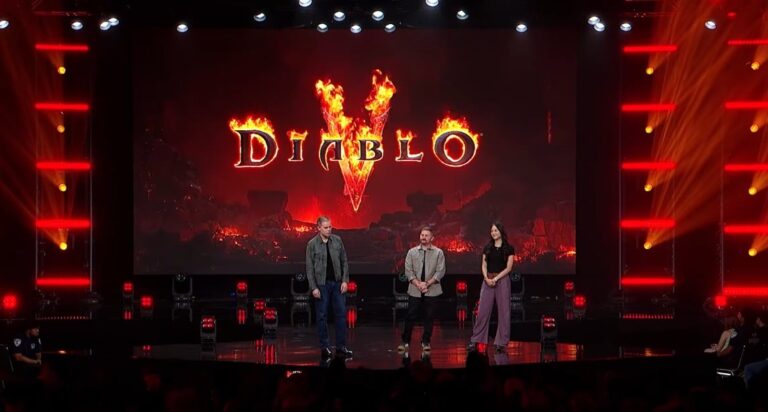
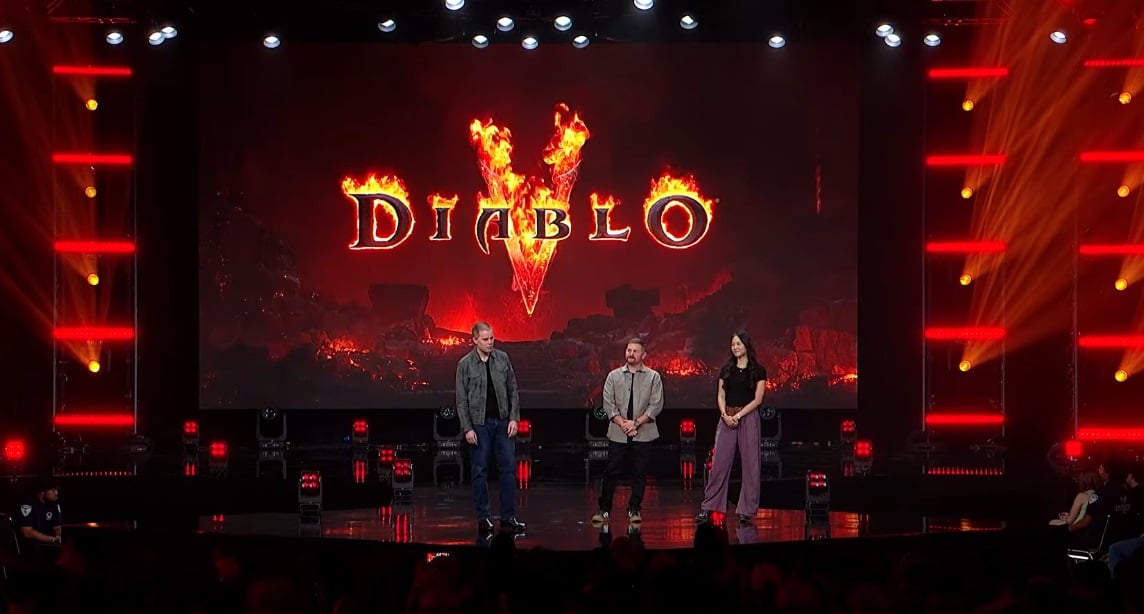
Blizzard is signaling a fundamental shift in how it manages player expectations. At BlizzCon 2026, the studio announced Diablo 5 scheduled for spring 2029 and confirmed that a new mainline StarCraft is in development targeting 2030. Both reveals represent release windows stretching roughly four to five years into the future—an unusually transparent commitment for a company whose recent track record with project scheduling has been decidedly mixed.
Why Announce Years in Advance?
Rebuilding Player Trust
The early announcements reflect a deliberate strategy to demonstrate organizational reliability. Johanna Faries, who leads Blizzard as part of the Xbox division, explained the reasoning to Bloomberg. “We want to convey confidence in some of our biggest bets coming forward,” she said. “We’re a Blizzard that’s going to ship, and ship big, and ship on time, and all hands on deck to set those projects up for success.” The message signals that Blizzard intends to prove it can commit to timelines and honor them.
Blizzard has historically guarded release dates closely, revealing games much closer to completion. Locking in dates years ahead of launch, especially for projects still in relatively early development, marks a notable departure from organizational precedent. The shift suggests Blizzard believes announcing major franchise entries early will buffer player confidence against the delays and complications that have plagued recent years.
A History of Delayed Expectations
Diablo 4’s Broken Timeline
Diablo 4 serves as the cautionary tale informing this new strategy. The game was announced at BlizzCon 2019 with an expected launch roughly three years away. That projection proved overly optimistic. Internal challenges and executive turnover at Blizzard forced a delay to 2023, frustrating fans who had waited three years between announcement and release.
That experience illustrated why Blizzard historically avoided such specific promises. The gap between expectation and delivery damaged credibility and generated sustained player frustration. By contrast, announcing both Diablo 5 and StarCraft with full awareness of the timeline seems designed to prevent similar disappointment.
StarCraft’s 16-Year Wait
For StarCraft, the stakes feel higher still. The franchise’s last mainline sequel, StarCraft II, released in 2010. The 16-year gap since then represents one of the longest waits for a numbered sequel in major RTS history. Announcing development now while targeting 2030 signals either substantial confidence in current progress, or a willingness to stake organizational credibility on meeting an ambitious deadline. Either way, the commitment is substantial.
Industry Models and Corporate Influence
The Call of Duty Blueprint
The framework Blizzard appears to be adopting draws directly from Call of Duty’s playbook. Activision has sustained an annual release cadence by deploying multiple studios in coordinated development cycles, ensuring a new blockbuster entry ships reliably each year. That model has made Call of Duty predictable to investors and players alike—a rarity in AAA game development.
Whether Blizzard will implement similar multi-studio coordination for Diablo 5 and StarCraft remains unclear. The infrastructure and organizational discipline required differ substantially from how Blizzard has traditionally operated. Historically, the studio has prioritized creative iteration and polish over schedule adherence, sometimes at the cost of release date reliability.
Microsoft’s Push for Predictability
The shift may partly reflect pressure from Asha Sharma, Xbox’s CEO, who has reportedly advocated pushing the division’s studios to prioritize major sequels and spin-offs while committing to consistent delivery schedules. This push aligns with broader industry trends toward franchise predictability and shareholder confidence. Whether Faries’ public statements about shipping on time represent a shared strategic conviction or acquiescence to corporate mandate remains unclear from public statements alone.
The Challenge Ahead
Managing Layoffs While Delivering
The challenge of honoring these commitments is about to intensify. Over the next year, Xbox is executing 1,600 rolling layoffs across the division. Faries will be managing Blizzard’s expansion of Diablo 5 and StarCraft while navigating significant workforce reduction—a tension that could test her ability to meet the timelines she has publicly announced.
The layoffs create obvious operational questions. Delivering two major sequels on aggressive schedules typically requires stable, experienced teams. Simultaneous reduction of headcount introduces risk that could jeopardize either the quality of these projects or their release dates.
Protecting Creative Identity
Faries has emphasized that her top priority is insulating Blizzard’s creative operations from the disruption that layoffs create. She framed the challenge as balancing Microsoft’s business goals with Blizzard’s distinctive cultural identity.
“Preserving that has been my ultimate focus,” she told Bloomberg. “The unique special sauce that is Blizzard both culturally and creatively. And to the extent that we can perform well for Microsoft, I think that should be seen as a mutual win.”
The comment suggests Faries views upcoming releases as both a creative opportunity and a business imperative—a chance to demonstrate value to Microsoft while maintaining the studio’s independence and identity. Whether that balance holds while delivering two major sequels on aggressive timelines amid significant layoffs represents one of the industry’s most consequential open questions.
A previously unannounced spin-off was also revealed at BlizzCon 2026. Dan Hay, leading this project, has declined to discuss specifics publicly.
Frequently Asked Questions
When will Diablo 5 and the new StarCraft release?
Diablo 5 is scheduled for spring 2029, while the new StarCraft is targeting 2030.
Why is Blizzard announcing these games so far in advance?
Johanna Faries stated that Blizzard wants to convey confidence in its major projects and demonstrate that it can ship big and on time, signaling a commitment to meeting release dates after Diablo 4's three-year delay.
How are the layoffs affecting Blizzard's ability to deliver on these timelines?
Xbox is executing 1,600 rolling layoffs over the coming year, creating organizational challenges as Blizzard simultaneously develops two major sequels with ambitious deadlines.
