
Key takeaways
- Diablo won't appear in Diablo 4 except as a seasonal boss in the upcoming Hell's Legacy season, but becomes the central character in Diablo 5.
- Blizzard created Diablo 5 as a full sequel rather than DLC to allow Diablo to be the narrative center and accommodate a personal, character-driven story.
- In Diablo 5, the Lord of Terror has conquered the world, forcing players to build resistance within a hellscape rather than prevent his arrival.
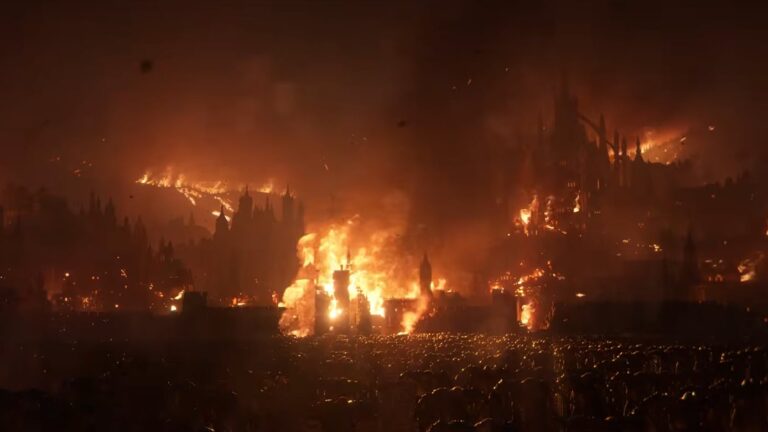
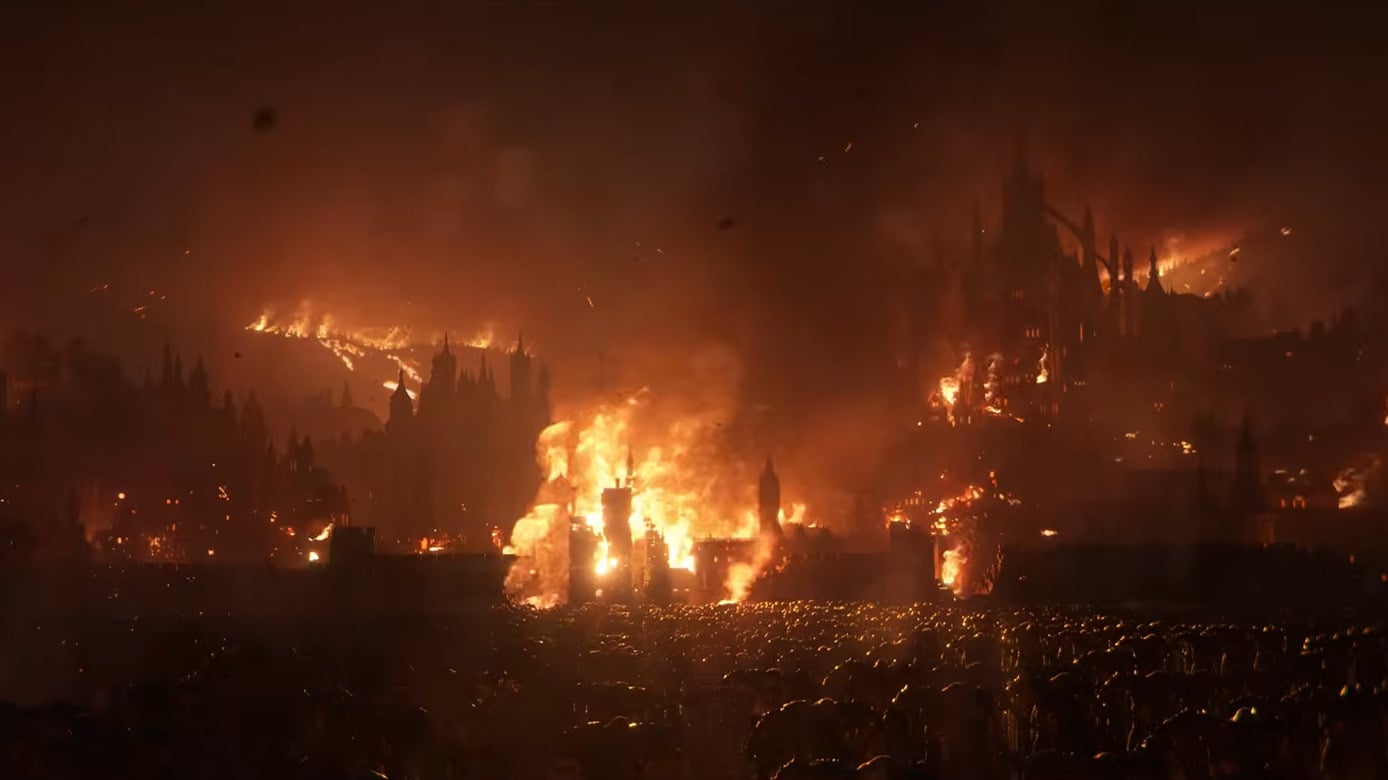
The Lord of Terror has largely been absent from the game bearing his name. Outside of scattered references and allusions, Diablo remains conspicuously absent from Diablo 4’s roster—a striking omission for a game that carries the demon’s name in its title. His presence has been limited to an upcoming appearance as a seasonal boss in the Hell’s Legacy season. Yet at BlizzCon, Blizzard revealed that Diablo himself would become the central focus of Diablo 5, having conquered the world and left players to mount a resistance within the resulting hellscape.
The natural question follows: why wasn’t this version of Diablo—triumphant and world-spanning—packaged as DLC for the existing game rather than requiring an entirely new sequel? The answer, according to John Mueller, senior art director on Diablo 5, centers on the character’s narrative demands. “Diablo’s very demanding,” Mueller explained in an interview at BlizzCon. Once the team committed to Lilith as the core antagonist for Diablo 4’s base story, introducing Diablo as post-launch content presented structural complications that a full sequel could resolve.
The Story Framework That Locked Out Diablo
Diablo 4 emerged from a narrative vision centered on Lilith, the Daughter of Hatred. This foundational choice shaped the game’s entire storytelling architecture. Once that direction was set, retrofitting Diablo as additional content would have required either abandoning the established narrative or shoehorning the Lord of Terror into a story already committed to other antagonists.
Why a Personal Story Demands a New Game
The base Diablo 4 experience gave way to the Lord of Hatred expansion, which introduced a more intimate narrative framework—one that placed the player character in direct relationships with both Lilith and Mephisto, creating personal stakes in the unfolding drama. Mueller expressed satisfaction with this direction but recognized that such a character-driven, relationship-heavy approach would have been fundamentally constrained by Diablo 4’s existing narrative foundation. Expanding that personal storytelling framework across a full game required moving beyond what an expansion could realistically accomplish.
The decision to pursue a sequel unlocked creative possibilities that the team couldn’t achieve through additional content. Mueller described Blizzard’s approach: the studio afforded the development team complete freedom in determining their scope. “There’s no container on our vision or anything,” Mueller noted. “It was like, just build the greatest Diablo game that you have a vision for. That could be an expansion, it could be a sequel, it could be anything you want.” Within that space, the team recognized that Diablo as a central character demanded not a supplementary story but a bold reimagining.
Diablo at the Center, Not the Periphery
Placing Diablo at the narrative heart of a game required more than adding a new questline or boss encounter. “When Diablo is the character, he’s going to be the center,” Mueller emphasized. A small story appended to an existing game couldn’t accommodate that centrality. The character’s mythic weight and the scale of his triumph over the world necessitated building an entire game architecture around him rather than crowding him into margins of someone else’s story.
The Architecture of a Character-Driven Narrative
Mueller articulated the development team’s philosophy regarding how narrative scope connects to game structure. The leap from expansion to sequel represented more than a budgetary decision—it was a framework shift enabling a fundamentally different storytelling approach.
When a sequel begins development, the team faces a blank canvas in terms of narrative scaffolding. They can ask bigger questions: What if the villain won? What does that world look like? How do players respond to total defeat of conventional resistance? With Diablo 5, these questions became possible precisely because they weren’t bound by Diablo 4’s pre-established story beats and character arcs.
Mueller outlined his goals for the sequel’s emotional framework: “You should feel like the stories matter, the characters matter, this should feel like the cast of your favorite show, and that’s what we’re trying to achieve.” Achieving that consistency of character presence and narrative weight across a full game required more than what existing systems could provide. The team possessed the technical capability and creative talent, but “the framework of the game has to change,” Mueller explained.
Diablo 5’s Vision of a Conquered World
Victory and Its Consequences
Diablo 5 presents a world where the outcome has already been decided. The Lord of Terror hasn’t merely returned—he has won. He has conquered, taken over, and imposed his will across existence. This isn’t a story of prevention or containment but of recovery and resistance. Players inhabit a landscape already remade by demonic triumph.
Building Resistance in a Hellscape
Rather than preventing disaster, the player’s role centers on organizing opposition within a world that has already fallen. The narrative premise shifts from trying to stop an approaching threat to mounting a comeback against an established regime. That distinction changes every thematic layer of the game—the tone, the stakes, the relationship between player character and world.
Why Innovation Required a Fresh Start
Mueller noted that Blizzard’s core audience for Diablo carries specific expectations around innovation and ambition. “There’s a core audience that we have that really is yearning for innovation,” he stated. Delivering on that demand while maintaining continuity with Diablo 4’s established narrative became a tension point. A sequel removed that tension by permitting the development team to pursue innovation without apologizing for departures from prior story threads.
The team’s technical capabilities and creative skills were never the limitation. What changed was permission—not from Blizzard management, but from the structural possibilities that a new game afforded. Senior production director Tiffany Watt and Mueller both recognized that some storytelling ambitions simply couldn’t unfold within the constraints of post-launch content attached to an existing narrative.
The Expansion Versus Sequel Calculation
The Freedom a Sequel Provides
In development conversations, the question wasn’t whether Diablo deserved his own spotlight—clearly he did—but rather what container could hold the scale of story the team wanted to tell. An expansion adds rooms to an existing house; a sequel builds a new structure from the foundation. Diablo as a central character, having conquered reality itself, required the architectural freedom that a new game provided.
Narrative Coherence Across a Full Game
Maintaining a consistent character-driven narrative throughout a 40-60 hour experience demands different design choices than sustaining it through a 10-15 hour campaign. The longer the experience, the more opportunities characters have to develop, contradict themselves, grow, and surprise players. Mueller wanted that depth for Diablo 5, and a sequel’s scope enabled it.
The decision to create Diablo 5 rather than package Diablo as Diablo 4 DLC ultimately reflects a philosophy about scale, ambition, and narrative integrity. The Lord of Terror didn’t skip Diablo 4 because he was unimportant—he sat out because his story deserved its own game.
Frequently Asked Questions
Why isn't Diablo in Diablo 4?
Diablo 4's story centers on Lilith as the main antagonist. Once that narrative direction was established, adding Diablo would have required abandoning or substantially reworking the existing story. Senior art director John Mueller explained that "Diablo's very demanding" and "when Diablo is the character, he's going to be the center," making him incompatible with a supplementary story or DLC framework.
Why make Diablo 5 instead of Diablo 4 DLC?
A full sequel allowed the development team to build an entirely new narrative framework centered on Diablo. Mueller noted that Blizzard gave them freedom to pursue whatever scope matched their vision—expansion, sequel, or anything else—and the team determined that telling Diablo's story properly required a complete game rather than post-launch content attached to an existing narrative.
What's the premise of Diablo 5?
Diablo has already won and conquered the world in Diablo 5. Players must organize and build resistance within the resulting hellscape rather than work to prevent the demon's arrival. The narrative shifts from stopping a threat to mounting a comeback against an already-established demonic regime.
