
Key takeaways
- Pokémon's 30th anniversary TCG set includes 34 distinct Pikachu variants, each with unique artwork, rarity classification, and gameplay effects.
- Secondary market resellers inflate card prices, making booster packs economically inefficient for collectors pursuing complete sets.
- The concentrated focus on a single character appeals to multiple collector motivations: artistic, competitive, and nostalgic.
- Acquiring all 34 Pikachu variants represents a substantial financial and logistical commitment given contemporary trading card market dynamics.
Pokémon’s 30th anniversary trading card set marks three decades of franchise history with an ambitious focus: 34 distinct Pikachu card variants, each presenting unique artwork, rarity classification, and in-game effects. For traders and collectors, the set represents both a comprehensive collection target and a serious challenge given contemporary market realities around card availability and pricing.
Representing Three Decades Through One Character
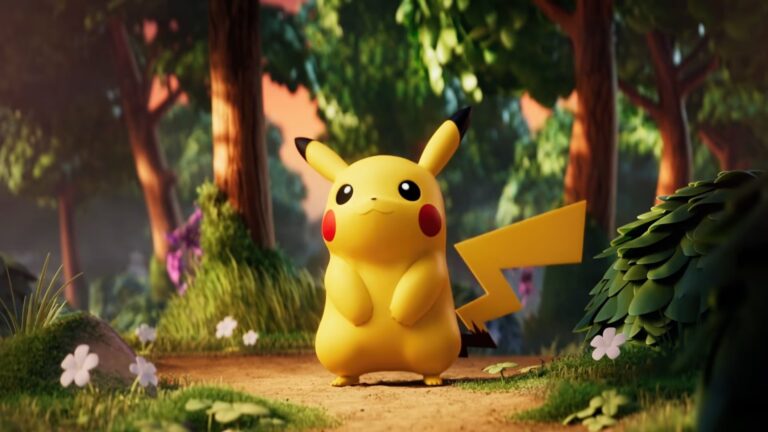
The decision to concentrate the anniversary set on Pikachu variants reflects the character’s central role in Pokémon’s three-decade run. Pikachu’s cultural prominence extends far beyond dedicated gaming circles, making it the natural choice for a milestone anniversary release. Dedicating 34 distinct cards to the character allows the set to explore comprehensive artistic and mechanical variation while maintaining thematic coherence across the full subset.
The breadth of variants ensures that even collectors deeply familiar with Pikachu will encounter new interpretations and gameplay properties they haven’t previously held in card form.
Distinct Cards Across Multiple Dimensions
Visual Differentiation
Each card features distinct artwork presenting Pikachu in different artistic contexts and styles. The rarity distributions establish natural collecting tiers, with some variants appearing more frequently in booster packs than others, creating immediate difficulty gradients for collectors.
Mechanical Effects
The in-game effects differ across the variants, ensuring that gameplay value requires multiple versions rather than a single optimal card. This multifaceted differentiation maintains collector interest across the entire 34-card set, as completing the collection demands effort rather than simple repetitive acquisition.
Market Obstacles to Completion
Pursuing all 34 variants confronts collectors with significant economic challenges shaped by secondary market dynamics. Trading card resellers purchase booster packs in bulk, extract individual cards, and resell them at marked-up prices. This practice makes the booster pack gamble financially inefficient for collectors targeting specific variants, as secondary market prices for sought-after cards often exceed the expected value of buying packs.
The economic calculus forces collectors toward either accepting higher secondary market costs or investing time and money into pack-opening with uncertain outcomes. Some collectors have begun considering premium display solutions—framing complete 34-card Pikachu sets as art installations—which introduces additional investment beyond the cards themselves. The total financial commitment to obtaining every variant represents a substantial undertaking.
Appeal Across Collector Types
Artistic and Visual Appeal
Enthusiasts pursuing artistic completeness find 34 distinct visual interpretations of the same character.
Gameplay and Competitive Value
Players seeking functional gameplay cards need multiple versions for different deck strategies.
Historical and Nostalgic Connection
Long-term Pokémon fans recognize the symbolic importance of an anniversary set centered on the franchise’s most recognizable character.
The discrete goal—obtaining every card within a clearly defined 34-card subset—provides psychological appeal compared to the overwhelming scope of all available Pokémon trading cards. Collectors can pursue a measurable, achievable objective rather than an infinite collecting landscape.
Pikachu’s Enduring Significance
Three decades of Pokémon history have cemented Pikachu as the franchise’s de facto mascot and most recognizable character across casual and dedicated audiences alike. The anniversary set’s emphasis on the character signals an understanding that nostalgia, visual appeal, and gameplay value all converge around Pikachu. For the trading card game’s 30th milestone, focusing on the character that defined the franchise’s initial explosion into popular culture represents both effective branding and genuine recognition of what makes Pokémon enduringly relevant.
Frequently Asked Questions
How many Pikachu cards are in the Pokémon 30th anniversary set?
The set features 34 distinct Pikachu card variants, each with different artwork, rarity levels, and in-game effects.
Why do secondary market prices make collecting these cards challenging?
Trading card resellers buy booster packs in bulk and resell individual cards at markups, making pack-opening economically inefficient and forcing collectors toward secondary market purchases at higher prices.
What makes each of the 34 Pikachu cards different from one another?
Each card features distinct artwork, rarity classification, and in-game mechanical effects, ensuring that gameplay and collection value require obtaining multiple variants rather than a single universal card.
