
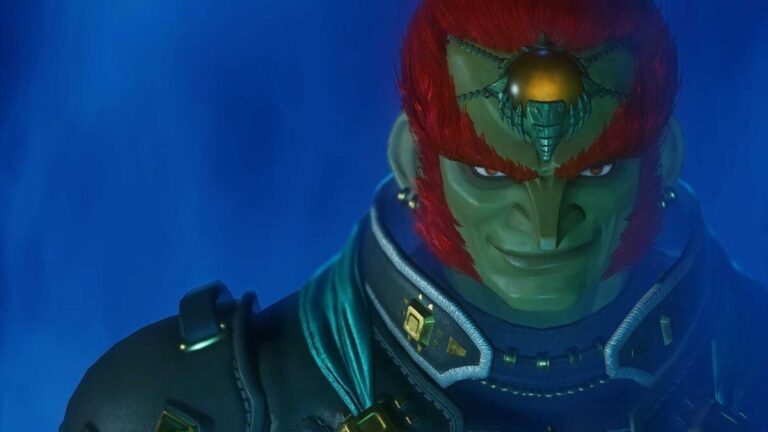
Key takeaways
- A Kotaku writer played the Ocarina of Time remake for the first time and remains unconvinced of its cultural supremacy, despite acknowledging the game's technical achievements.
- The critic argues Majora's Mask is the more innovative and creatively ambitious game, but has been overshadowed by Ocarina's status as the industry's foundational 3D adventure template.
- Innovation doesn't always equal lasting artistry: a game can reshape the entire industry without being the most compelling work within its own franchise.
- The piece serves as a guide for others skeptical of Ocarina's legacy but unable to articulate their doubts against near-universal acclaim.
The Legend of Zelda: Ocarina of Time’s recent remake has reignited passionate debate about one of gaming’s most venerated titles. But not everyone’s celebrating. A Kotaku writer describes watching the accolades accumulate as legitimately maddening, having spent decades as one of the game’s most vocal skeptics while championing a different Zelda entry as its superior in nearly every meaningful way.
A Remake Arrives to an Unconverted Critic
The Kotaku writer had never played the original Ocarina of Time before the remake’s release. Their gaming childhood in the late 1990s centered on a cousin’s Sega Genesis; the Nintendo 64 and its landmark titles remained distant. Now, finally experiencing Ocarina through the remake’s new graphics and orchestral score, they emerged convinced their longstanding skepticism was not just valid but vindicated. The game’s technical polish and emotional resonance left them unmoved.
This matters because it breaks a common narrative: that anyone who properly engages with Ocarina of Time will understand its greatness. For this critic, proximity and enhanced presentation couldn’t bridge what they saw as a fundamental gap between historical impact and lasting artistry.
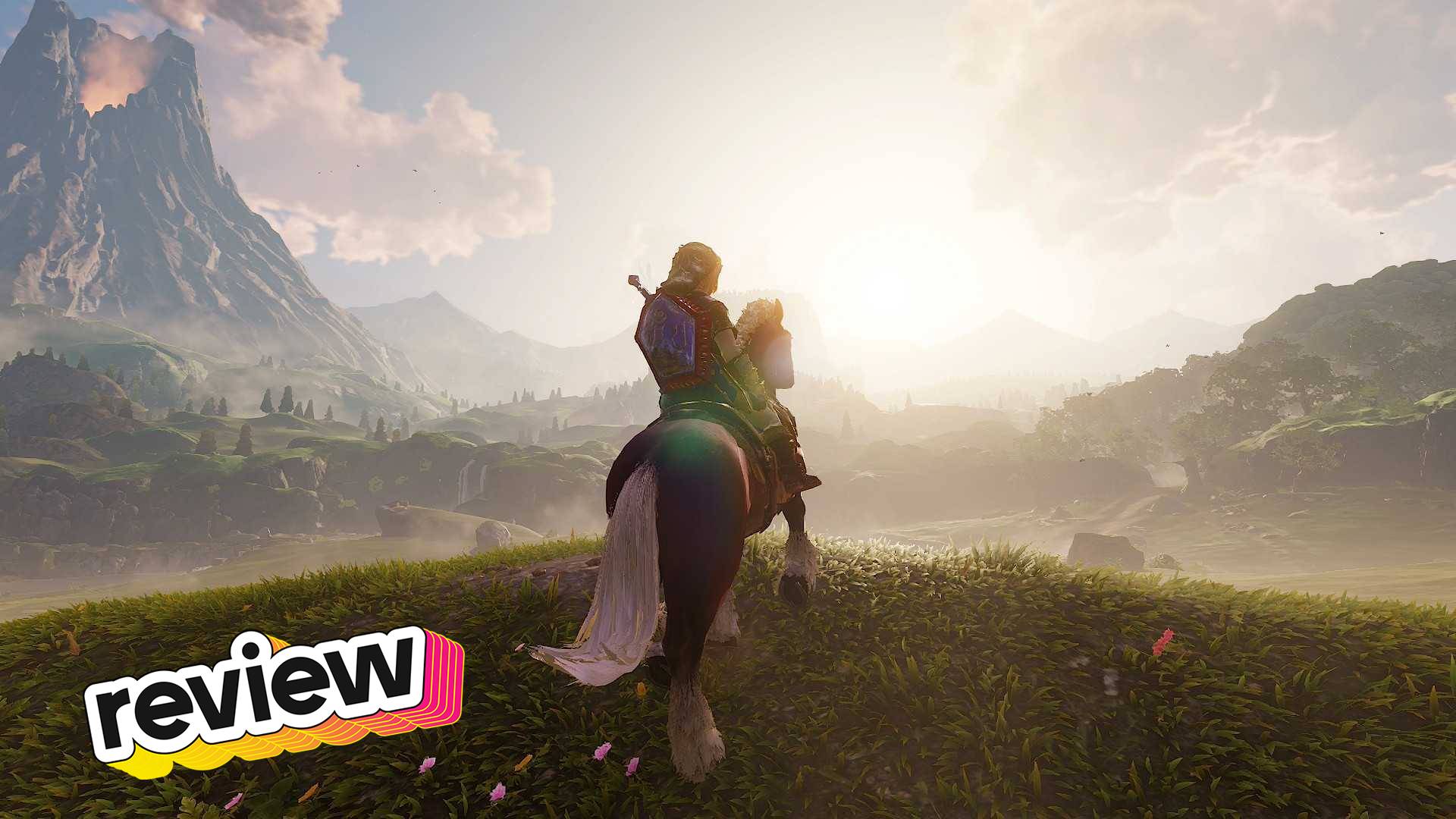
Why Ocarina Became Gaming’s Foundational Text
The 1997 Inflection Point
Released in 1997, Ocarina of Time arrived at a pivotal moment when the industry was still learning how to translate adventure games into convincing three-dimensional spaces. The game didn’t just succeed—it created the template. Its design DNA spread across the Zelda franchise and infiltrated countless non-Zelda adventures. Nearly 30 years later, game designers still follow patterns Ocarina established.
The Imitators That Followed
The Kotaku writer has played many games that borrowed from Ocarina’s blueprint. That experience, rather than cementing its genius, actually strengthened their argument: examining the blueprint in its many iterations reveals that innovation alone doesn’t guarantee lasting creative merit. Something can reshape an industry without remaining the most artistically interesting work in its own series.
The Case for Majora’s Mask
Enter Majora’s Mask, the game the Kotaku writer positions as gaming’s true underdog masterpiece. They describe it as genuinely one-of-a-kind—willing to abandon convention in ways Ocarina, for all its breakthroughs, never attempted. Where Ocarina opened doors for the industry, Majora’s Mask locked itself behind them, creating something darker, weirder, and more emotionally complex. The three-day cycle, the mask system, the tone throughout—these elements haven’t been adequately replicated or celebrated across the decades.
This preference isn’t rooted in Ocarina being bad. The Kotaku writer concedes the remake is genuinely good, with achievements in gameplay and presentation that justify some of the praise. But they argue achievement shouldn’t be confused with superiority. Cultural canonization, in their view, has crowded out a more deserving game.
The Hater’s Burden
What makes their position uniquely frustrating is the near-total consensus. Hating one of gaming’s foundational texts leaves the critic isolated—unable to articulate their position without sounding either contrarian for its own sake or simply wrong. The Kotaku writer positions their column as a resource for others who share the skepticism but lack the vocabulary to defend it. They’re essentially saying: if you hate Ocarina of Time but can’t explain why, here are your arguments.
The self-awareness in this framing is crucial. They’re not claiming Ocarina is objectively bad or that its legacy is undeserved. They’re articulating that passion for Majora’s Mask can coexist with acknowledging Ocarina’s impact, and that the cultural imbalance between the two remains unjust.
What Gaming History Gets Right and Wrong
The Ocarina of Time remake forces an uncomfortable question: how much should a game’s historical importance factor into its contemporary evaluation? Innovation and lasting personal resonance don’t always align. A title can reshape the medium without remaining the most interesting work in its lineage. The Kotaku writer’s contrarian stance—maintained even after finally playing the remake under optimal conditions—suggests that gaming’s relationship with its own history might be more complicated than either uncritical nostalgia or cynical dismissal allows.
FAQ
Did the Kotaku writer play the original Ocarina of Time before the remake?
No. They had no Nintendo 64 access as a child and first encountered the series through other games. The remake was their introduction to Ocarina of Time itself.
Do they think the Ocarina of Time remake is poorly made?
No. They explicitly describe it as a good game with impressive graphics and compelling audio. Their criticism targets the game’s cultural prominence and legacy status, not its technical or artistic quality.
What game does the writer recommend instead?
Majora’s Mask, which they argue remains underrated despite its unique design approach and darker thematic material compared to Ocarina of Time.
Source: Kotaku
Frequently Asked Questions
Had the Kotaku writer played Ocarina of Time before the remake released?
No. During the Nintendo 64 era, their only console access was a cousin's Sega Genesis. They experienced Ocarina of Time for the first time through the remake.
Does the writer think the remake is a bad game?
No. They acknowledge the remake as a good game with accomplished graphics and heart-stirring music. Their criticism concerns its cultural dominance over Majora's Mask, not its quality.
Which Zelda game does the writer prefer?
Majora's Mask, which they describe as genuinely unique and more creatively ambitious. They argue it remains one of gaming's most underrated titles compared to Ocarina's legacy status.
