

Key takeaways
- Cyberpunk: Edgerunners II's ensemble structure lacks the focused narrative and emotional peaks that defined the first season.
- Studio Trigger's animation and voice acting remain exemplary, but cannot compensate for scattered storytelling and weak connective tissue between plot threads.
- Night City functions primarily as scenery rather than character, diminishing the series' thematic specificity compared to the original.
- The show rarely achieves the emotional impact of season one's most memorable moments, according to Kotaku's review.
The first season of Cyberpunk: Edgerunners established itself through carefully constructed emotional beats. According to Kotaku’s review, the 10-episode run functioned as a narrative where every moment built toward devastating climaxes. The most significant setpieces—David Martinez witnessing Maine’s descent into cyberpsychosis rendered through disturbing animation, and Lucy achieving her lifelong dream of reaching the moon through her lover’s sacrifice—resonated precisely because the show had earned them. Studio Trigger and CD Projekt Red appeared to work backward from these narrative peaks, ensuring every detail paved the road to moments that would land with maximum impact.
The Foundation and the Departure
A Different Direction
The second season takes a fundamentally different approach, and whether that shift serves the story remains the central question for anyone expecting continuity.
An Ensemble Without Center
Multiple Protagonists, Loose Connections
Cyberpunk: Edgerunners II disperses focus across multiple protagonists rather than anchoring itself to a single character’s journey. Roman is a young boy who documents Night City’s hyper-capitalist horrors through an analog camcorder, preferring this detached observation to braindance simulations. Talia, a teenage girl who replaced most of her body with cyberware in rebellion against her parents, becomes the target of a manhunt after her mother hires the edgerunner Weak to retrieve her before the Maelstrom gang does. D, a Nomad consumed by the need for revenge against his clan’s killers, operates with the burden of not knowing who to target.
According to Kotaku’s assessment, this fragmentation creates a structural problem. The three characters exist in proximity but lack gravitational pull toward one another. Cyberpunk 2077, the game both properties draw from, manages a similar feat by positioning the player at the center—moving between Judy’s apartment and Kerry’s mansion, the character serves as a common thread connecting the powerless and the obscenely rich. Without such a focal point, Edgerunners II meanders rather than coheres.
The Stakes of Connection
As Talia’s condition deteriorates and D’s revenge narrative accelerates, the show attempts retroactively to knit its threads together. These connective moments feel strained and unconvincing to Kotaku’s reviewer. The emotional reveals that theoretically anchor the season lack weight, and the plot’s goalposts shift repeatedly, making it difficult to track what the show is actually pursuing. A revenge plot predicated on righteous fury sits uncomfortably in a city where no character possesses moral standing to occupy that position.
The violence, while stylishly rendered and visually gruesome, rarely escalates to the visceral emotional impact of the first season’s best moments. Cyberpunk: Edgerunners II contains brutal setpieces but seldom clarifies what commentary it intends to make about violence itself within Night City’s context. The show takes no real creative swings, and the conclusion suggests that trimming storylines entirely might have resulted in something equally conclusive but substantially more focused.
City as Backdrop
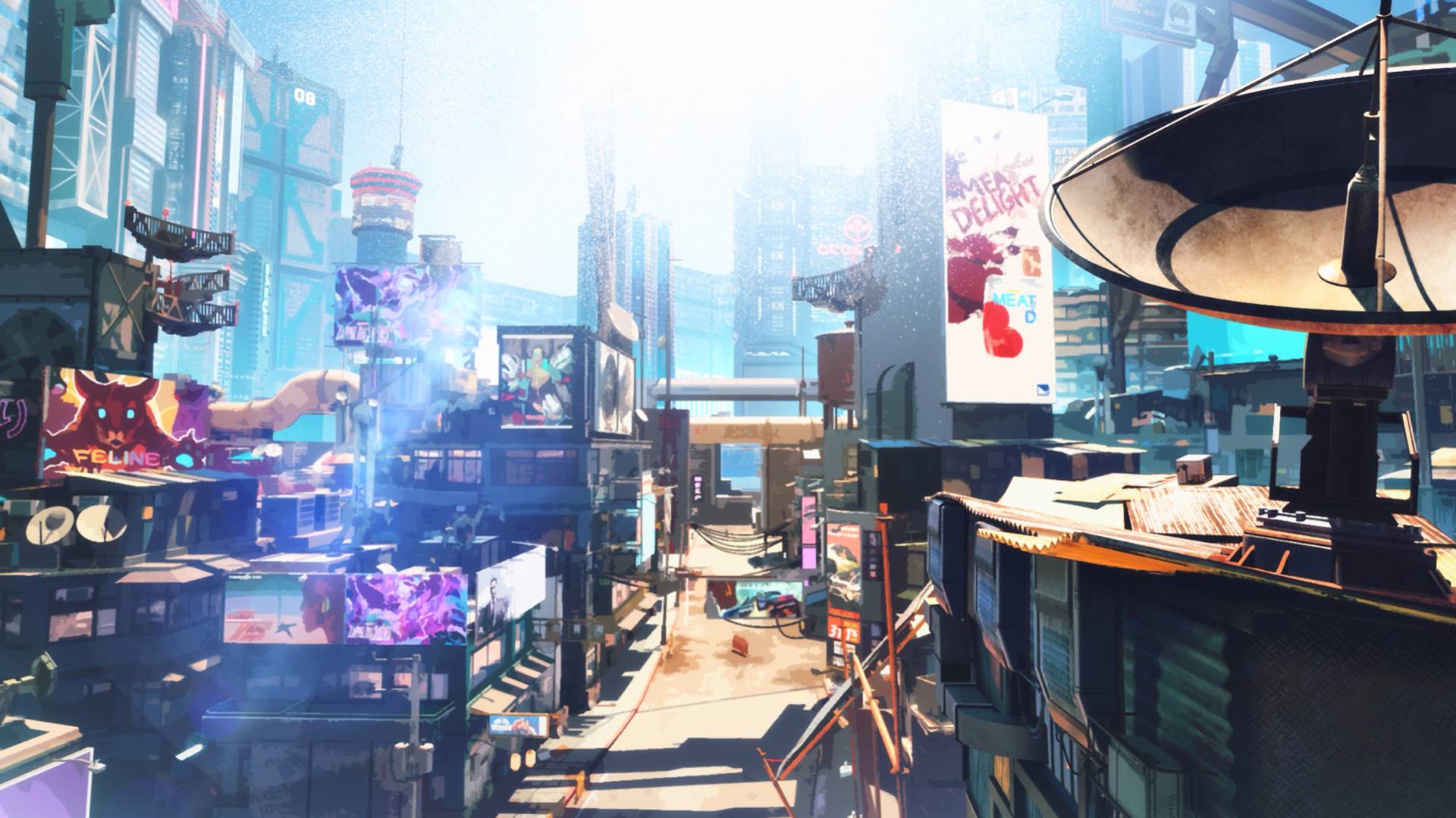
Night City functions as perhaps the defining character of the original Cyberpunk: Edgerunners series, a living metropolis where every social stratum collides and where geography reinforces theme. In season two, according to Kotaku, the city has become scenery rather than substance. It rarely feels like the show was deliberately set in Night City at all, as opposed to any other dystopian setting. The specificity that made the first season’s environment matter—the way the city’s inequality and violence intersected with character arcs—has largely evaporated. Night City remains the franchise’s centerpiece in name only.
Where Craft Succeeds
Animation and Performance Quality
Studio Trigger’s technical achievements remain undeniable. The animation remains stunning and stylistically distinctive, capturing Night City with game-accurate detail down to the finest elements. The voice cast performs at a high level, delivering their dialogue with conviction even when the material around them struggles to cohere.
These elements, however, cannot compensate for structural shortcomings. The reviewer found themselves waiting for emotional moments to rival season one’s peaks—the moment when David promised to take Lucy to the moon, or the silence following Maine’s death—and found those moments never arrived. The show delivers entertaining violence and stylish sequences without the thematic weight that made the original resonate.
The Road Ahead
Kotaku’s concluding perspective is one of underwhelm rather than outright rejection. The season never warrants active dislike, only disappointment at squandered potential. A show with this many narrative threads and this much technical resources ought to find its footing faster than it does, and the gap between what it attempts and what it achieves widens rather than narrows as the episodes progress.
CD Projekt Red has already announced the start of the series’ next narrative arc at Anime Expo 2026, signaling continuation rather than conclusion. Whether that continuation might restore the thematic focus and emotional precision of the original remains an open question, though the second season suggests caution is warranted.
Source: Kotaku
Frequently Asked Questions
What makes Cyberpunk: Edgerunners II different structurally from the first season?
The second season shifts from a focused narrative following David Martinez to an ensemble approach with multiple protagonists: Roman, a boy documenting Night City through an analog camcorder; Talia, a girl who replaced most of her body with cyberware; and D, a Nomad seeking revenge. This dispersal of focus creates difficulty in identifying a central character and weakens the thematic cohesion.
What are the main criticisms in Kotaku's review?
According to Kotaku, the season suffers from loose plot threading that causes the narrative to meander, lacks the emotional peaks of the first season, and treats Night City as backdrop rather than integral character. While animation and voice acting remain strong, the show rarely clarifies its commentary on violence or makes meaningful thematic statements.
Has CD Projekt Red announced what's next for the series?
Yes, CD Projekt Red revealed the beginning of the next narrative arc for the Netflix series at Anime Expo 2026.
