
Key takeaways
- The Switch 2 remake of Ocarina of Time nerfed difficulty through accumulated small changes—easier enemy behaviors, removed hazards, signposted secrets, and simplified dungeon challenges.
- The remake softens the original's tone by removing explicit death depictions and darkening imagery, likely to maintain a lower ESRB rating than the E10+ standard for Zelda games.
- Hyrule Field's emptiness remains unchanged despite modern design trends, sparking debate between those who see it as a missed opportunity and those who value its sense of scale and solitude.
- The remake raises questions about how Nintendo might approach future remakes, particularly a potential Majora's Mask project with more demanding systems and friction.
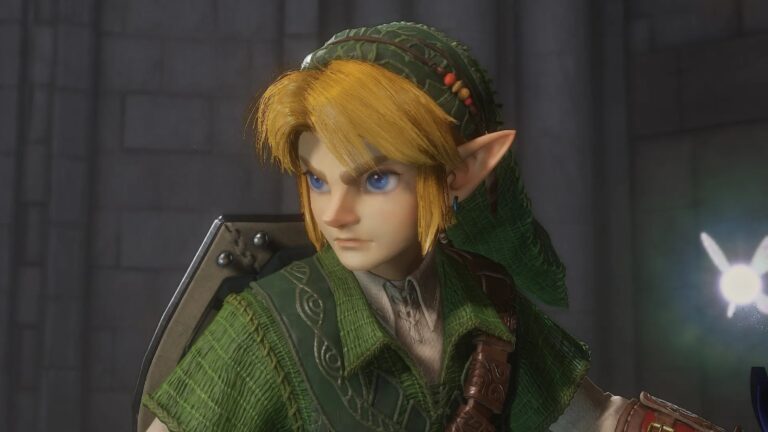
The Legend of Zelda: Ocarina of Time arrived on Switch 2 this year, and with it came a familiar ritual: debate over what changed, what should have stayed the same, and whether a modern remake honors or diminishes the original. But this particular remake has sparked discussion that goes beyond the usual graphics-versus-nostalgia arguments. According to Kotaku, the fundamental difficulty curve and even the tonal choices in this version differ significantly from the Nintendo 64 original, raising questions about how much game design philosophy has shifted in the decades since 1998.
How Difficult Is the Remake, Really
The difficulty question is not straightforward. Link doesn’t simply hit harder; instead, dozens of small changes accumulate across the entire experience. Environmental hazards that existed in the original are gone. Plummeting off certain platforms no longer drops Link to a lower floor—he respawns at the point he fell from, removing a consequence that once demanded awareness of placement. Certain enemy behaviors have been reworked: Stalfos no longer revive themselves if you don’t eliminate an entire squad quickly enough, eliminating both tactical pressure and the risk of a drawn-out engagement.
Secrets are now easier to locate. Elements like dedicated Hookshot targets guide players toward discoveries that the original left for players to find through exploration or experimentation. Dungeon challenges themselves have been simplified, objects are less hidden, and what used to be timed challenges no longer have timers. A Reddit user who posted their thoughts on the changes noted that “there are factually things that make it easier,” distinguishing between subjective design choices and objective changes to game systems.
Combat Changes and Enemy Balance
Combat feels inconsistent across encounters. Stalfos now deal half the damage they did in the original version, but heart drops from enemies have become scarcer—players no longer see enemies drop three hearts the way they frequently did on N64. Phantom Ganon moves slowly enough that the fight is significantly easier, whereas King Dodongo can no longer be cheese-stalled by standing to the side as he rolls past. This boss now summons baby Dodongos and demands more active engagement. Redeads have become more aggressive and capable of running, making them harder encounters than before.
The Puzzle and Navigation Shift
Navigation and puzzle-solving have received constant directional guidance. The game maintains frequent exposition about what players should do next, removing some of the discovery that characterized original playthroughs. Combined with the removal of environmental hazards and the signposting of once-hidden secrets, players face fewer moments where they must deduce solutions independently or recover from mistakes that stem from environmental awareness.
Tone, Content, And Ratings Concerns
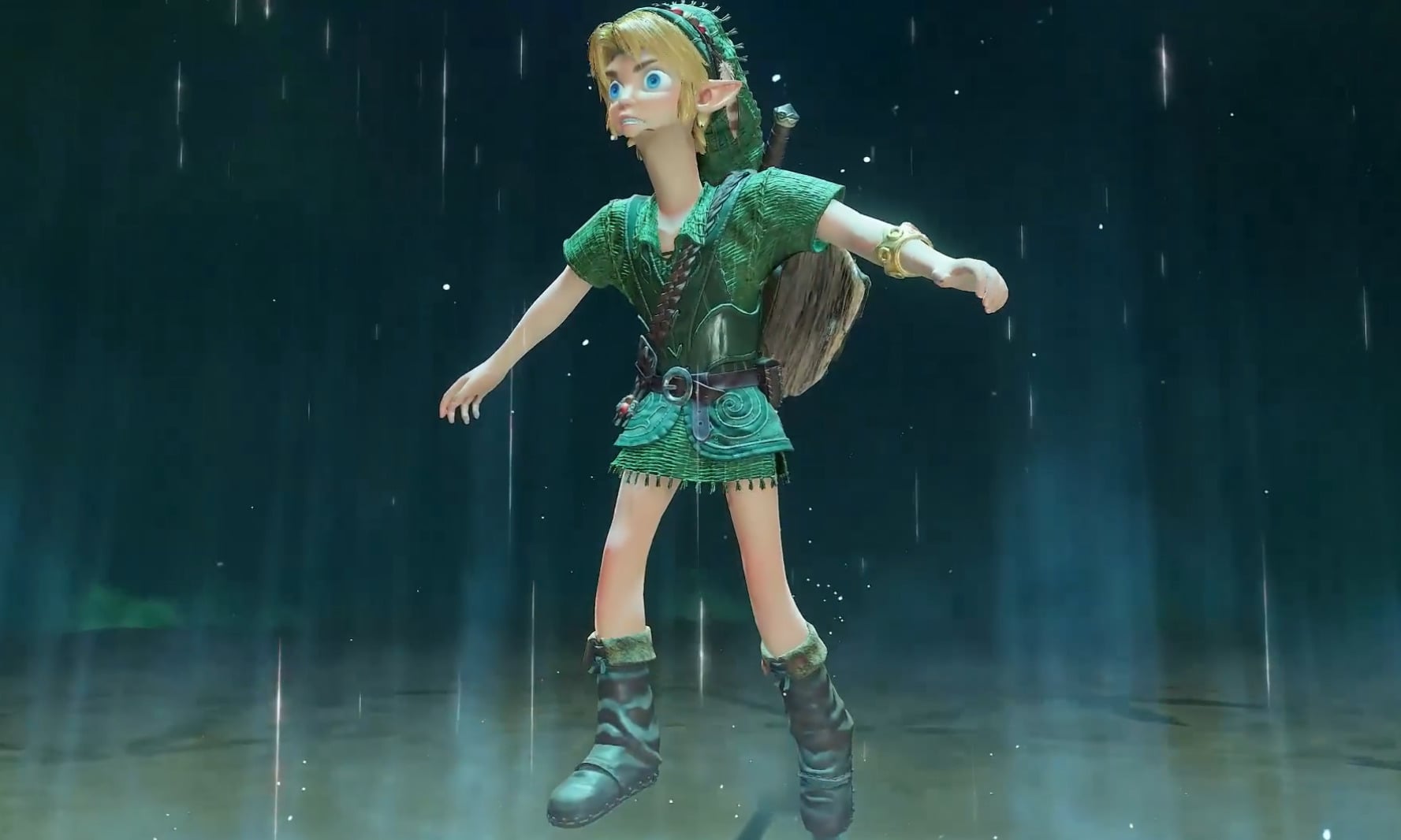
The remake appears to have softened the original’s darker edges, and several examples illustrate this shift.
Removing Explicit Consequences
Early in the game, a soldier in Castle Town’s back alleys takes a mortal wound while trying to protect Zelda. The original Ocarina of Time made his death explicit—the text read “he’s not moving anymore.” In the remake, this man remains alive and can be spoken to repeatedly. This changes both the emotional weight of the scene and the consequence of Ganondorf’s initial invasion.
Blood Imagery and Visual Representation
Blood imagery throughout the game has been altered. The Shadow Temple originally displayed bright crimson bloodstains beneath cruciform shapes. The remake features darker smears instead, which, as observers have noted, more accurately represents aged dried blood. While this is technically more realistic, the visual impact differs substantially. One Reddit commenter observed that “the bright red blood of the OG is bloodier, obviously, but arguably more cartoony,” while the faded approach can masquerade as dirt or rust in ways that avoid rating scrutiny.
The Endgame Cough and Rating Strategy
A significant scene late in the game no longer includes a character coughing up blood—a change likely driven by rating concerns. The Switch 2 remake features more graphical detail than the original, and Nintendo may have removed this element to avoid triggering an ESRB T for Teen rating. Most Zelda games historically receive either E or E10+ ratings, with The Legend of Zelda: Twilight Princess standing as a notable exception, earning a T rating in 2006 and remaining widely considered the darkest mainline entry in the series.
The Empty Overworld Question
Hyrule Field, the expansive terrain players traverse between towns and dungeons, remains largely empty in the remake—a 1:1 copy of the N64 original’s design. This choice has divided players and industry figures.
The Case Against Static Design
Moon Game Studios CEO Thomas Mahler argued on social media that preserving Hyrule Field’s emptiness represents a missed design opportunity. “Back in 1998, Hyrule Field was a nice little tech demo that allowed Nintendo to show off how the N64 could render some really big triangles,” he said. From a contemporary design perspective, “to simply copy that design 1:1 today? Nah. Every designer at Nintendo should be crying foul and know that this could be done so much better nowadays.”
The Case for Restraint
Mark Diaz, lead at New Blood Interactive, offered a counterargument rooted in personal experience. “I think Hyrule Field being largely empty allows the world to breathe and gives the game a sense of scale and immersion,” he wrote. “Players don’t always need to be bombarded with activities, sometimes it’s nice to just exist in the game world and be alone with your thoughts.” He drew a parallel to growing up in rural North Carolina, where “nature is like that sometimes, just a lot of trees and grass and rocks and leaves, with nothing particularly important or interesting going on, and that’s okay.”
What This Reveals About Modern Game Design
According to Kotaku, the Ocarina of Time remake serves as a case study in how much and how little game design has evolved since 1998. Whether this version succeeds depends on individual perspective: is it a solid modern experience of a beloved classic, a sanitized version that strips away what made the original special, or simply an interesting artifact that introduces the game to new players while leaving the original untouched?
The debate reflects deeper questions about remakes themselves. How much should a reimagining depart from the source material? Should difficulty serve as a barrier to entry or as a meaningful challenge? What tone serves a story best—explicit darkness or implied consequences?
Looking Ahead to Majora’s Mask
The industry is already speculating about how Nintendo might approach a hypothetical Majora’s Mask remake. That game contains considerably more friction and challenging systems than Ocarina of Time, from the three-day cycle constraint to its harder dungeons and tighter time management. Hints suggest such a remake might be coming in the future, though no official announcement has been made. Given how liberally the Ocarina of Time remake adjusted difficulty and tone, observers wonder whether a Majora’s Mask remake would similarly streamline those demanding systems for modern audiences—or whether that game’s unique structure might resist such changes.
Meanwhile, speedrunners have already begun pushing the Switch 2 version to its limits. Sequence-breaking techniques are emerging, and the hunt for new speedrunning tech has begun almost immediately, suggesting the remake retains enough mechanical depth to reward mastery, even if the standard progression feels more forgiving.
Source: Kotaku
Frequently Asked Questions
How is the Ocarina of Time remake easier than the original?
According to Kotaku, the remake removed environmental hazards, made Link respawn instead of falling to lower floors, removed Stalfos revival mechanics, signposted hidden secrets, simplified dungeon challenges, and removed timers from timed challenges. Stalfos now deal half damage, and heart drops are scarcer than in the original.
What tonal changes has Nintendo made to the remake?
The remake removes explicit death depictions—a dying soldier remains alive instead of being shown dead. Blood imagery has been altered from bright crimson to realistic dried-blood smears. A scene involving a character coughing up blood has been removed, likely to avoid triggering an ESRB T rating instead of the E10+ standard.
Why does Hyrule Field remain empty in the remake?
The field is a 1:1 copy of the N64 version's design. Some argue it's a missed opportunity to populate it with modern activities and content, while others contend that the emptiness creates a sense of scale, immersion, and solitude that modern games often lack.
