
Key takeaways
- Dead of the Brain, a 1992 PC-98 horror game from developer FairyTale, arrives on Steam with its first official English localization.
- FairyTale originally focused on adult games before transitioning to horror with this title, which spawned a direct sequel and entries in the Nightmare Collection.
- FAKKU removed explicit sequences for Steam's rating but offers an uncensored patch free on its website for players preferring the complete version.
- The release coincides with renewed interest in PC-98 titles as other retro horror games like Ecstatica and The Dark Eye gain modern platform availability.
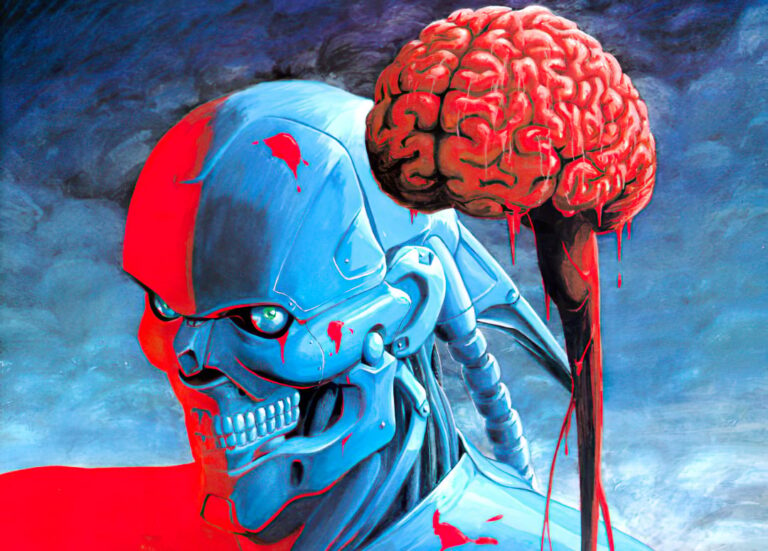
Dead of the Brain, a 1992 PC-98 adventure game about a zombie outbreak, has arrived on Steam this week with its first official English localization. Developer FairyTale created the title during the early years of the Japanese computer market, though the game remained largely inaccessible to international players for three decades. Publisher FAKKU, a platform historically focused on adult games, has brought Dead of the Brain to modern hardware as part of a recent publishing initiative targeting overlooked vintage Japanese titles.
The Outbreak Premise
Story and Setting
Cole and Dr. Cooger form the foundation of Dead of the Brain’s plot, with their relationship echoing the mentor dynamics of Back to the Future’s Doc Brown and Marty McFly. Cooger has developed a serum capable of reviving dead organisms. When he tests the formula on his house cat, the animal becomes feral and kills a nearby police officer. As Cole and Cooger attempt to conceal their involvement, the formula spreads through the city’s population, transforming ordinary citizens into shambling ghouls. The game’s central mystery operates on multiple layers. Not all members of the infected population are simply what they appear to be at first glance. Beneath the surface outbreak narrative lurks a deeper conspiracy that Cole and Cooger must uncover to reach the game’s true ending.
Gameplay Mechanics
Players navigate Dead of the Brain using point-and-click adventure mechanics, guiding the two protagonists through environments, solving puzzles, and engaging in combat to progress through the narrative.
FairyTale’s Transition Into Horror
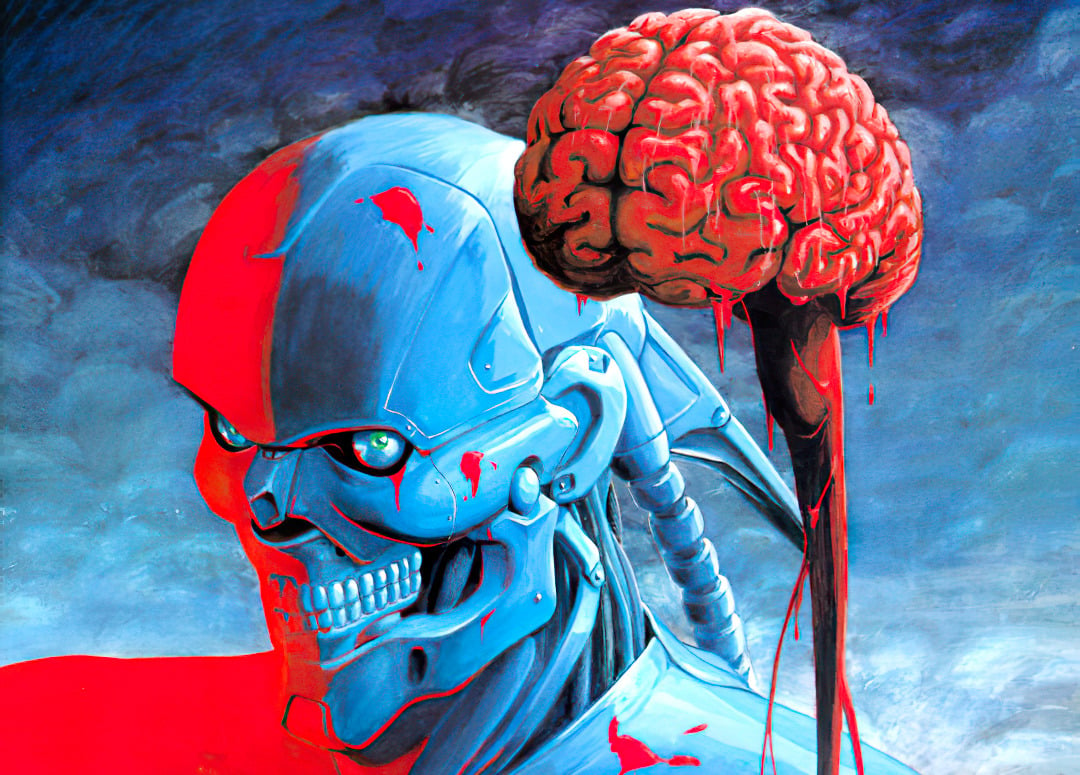
Dead of the Brain represented FairyTale’s first venture into horror. The developer had constructed its reputation almost exclusively through adult games prior to 1992, establishing itself within Japan’s thriving erotic game market. The commercial success of this horror title convinced the studio to deepen its investment in the genre. FairyTale released a direct sequel to Dead of the Brain and created multiple spin-offs as part of the Nightmare Collection banner. This pivot would reshape FairyTale’s identity and output for years to come.
The publisher bringing Dead of the Brain to Steam shares a strikingly similar history. FAKKU built its platform as a distribution hub for adult games but has recently begun acquiring and publishing non-pornographic retro Japanese titles. Both the original developer and the contemporary publisher transitioned from adult content toward mainstream gaming, a parallel evolution that adds context to the release.
Cinematic Inspiration and Comic Tone
Horror References
The game draws obvious reference points from horror cinema. George Romero’s Living Dead film cycle provided the foundation for the zombie outbreak premise. Brian Yuzna’s Re-Animator films shaped the tone of scientific hubris and body horror. Dead of the Brain mirrors the sensibility of Return of the Living Dead, the 1985 cult classic that treated its zombie narrative with knowing humor rather than straightforward dread.
Character Awareness and Humor
The protagonist group understands the genre conventions they occupy. They grasp what a zombie outbreak typically means within fiction. Yet they cannot avoid becoming entangled in the very stereotypes they recognize. The handcrafted English localization preserves this tongue-in-cheek approach, allowing the original game’s irreverent humor to land with English-speaking audiences for the first time. Rather than treating the outbreak as purely ominous, Dead of the Brain emphasizes the absurdity inherent in its premise and the characters’ resigned acceptance of terrible circumstances.
Steam Modifications and Preservation
Bringing Dead of the Brain to Steam required strategic modifications to meet platform standards. FAKKU announced on social media that the Steam version removed several explicit sequences to avoid a stricter content rating. Players can unlock these sequences through a free patch available on FAKKU’s website, preserving the uncut original experience for those who prefer the complete game.
This approach emerged as a compromise that satisfies multiple audiences. Players comfortable with the tamer Steam version can proceed without additional steps. Those seeking the complete game as originally intended can apply the patch after purchase. The company’s broader publishing initiative extends beyond this single title. FAKKU plans to release Dengeki Nurse, a 1992 RPG, through the same publishing program, indicating this is not a limited venture but an ongoing effort to excavate overlooked Japanese games from the pre-Internet era.
The Contemporary Retro Horror Moment
Dead of the Brain’s arrival coincides with a broader moment of vintage horror games coming to modern hardware. The Ecstatica series received remastered editions on Steam during the same week. Earlier in 2026, the FMV adventure The Dark Eye became available on the platform under a revised title. This convergence reflects genuine commercial interest in classic horror experiences among contemporary players.
The revival has been partly enabled by decades of fan translation work gradually exposing the full breadth of the PC-98 library to international audiences. Without volunteer translator efforts over the past two decades, many of these titles would remain unknown outside Japan.
The PC-98 as Undiscovered Territory
The PC-98 remains largely unknown to most international players. Thousands of games were published for the platform across the 1980s and 1990s, but the vast majority remain untranslated to this day. Fan translators have made significant progress over time, but their efforts have barely scratched the surface of the available catalog. Dead of the Brain accumulated notoriety through word-of-mouth circulation and ROM-trading communities over decades, making it one of the most infamous PC-98 entries despite never receiving an official English release until this week.
The shift from informal fan translations to official commercial localizations marks a significant change in how retro games are being preserved. Rather than relying solely on volunteers or abandonware distribution, FAKKU’s publishing model demonstrates that commercial publishers perceive economic value in bringing these older titles to legitimate digital storefronts. While the sheer volume of untranslated PC-88 and PC-98 software ensures fan translators will remain essential for years to come, the existence of official English ports suggests the industry is beginning to recognize PC-98 history as worth restoring for contemporary audiences.
Frequently Asked Questions
What is Dead of the Brain about?
The game follows Cole and Dr. Cooger as they navigate a city overrun by zombies after Cooger's revival serum spreads through the population. The story draws inspiration from George Romero's Living Dead films and Brian Yuzna's Re-Animator.
Why did FAKKU remove content from the Steam version?
FAKKU removed explicit sequences to meet Steam's content guidelines. Players can unlock the complete uncensored version through a free patch available on FAKKU's website.
Is this the first official English release of Dead of the Brain?
Yes, the Steam release marks the game's first official English localization. Prior to this, international players could only experience the 1992 PC-98 title through fan translations.
