
Key takeaways
- Mike Judge sent Paramount a legal letter to reclaim Beavis and Butt-Head rights under a 35-year copyright reclamation provision in U.S. law.
- The show's modern revival has succeeded with audiences through a format alternating between juvenile and adult versions of the characters across 12 seasons.
- Judge's simultaneous success with King of the Hill season 15 on Disney+ demonstrates his continued creative engagement with both major properties.
- The reclamation occurs as Paramount faces institutional turbulence from David Ellison's Warner Bros acquisition attempt and political uncertainties surrounding major franchises.
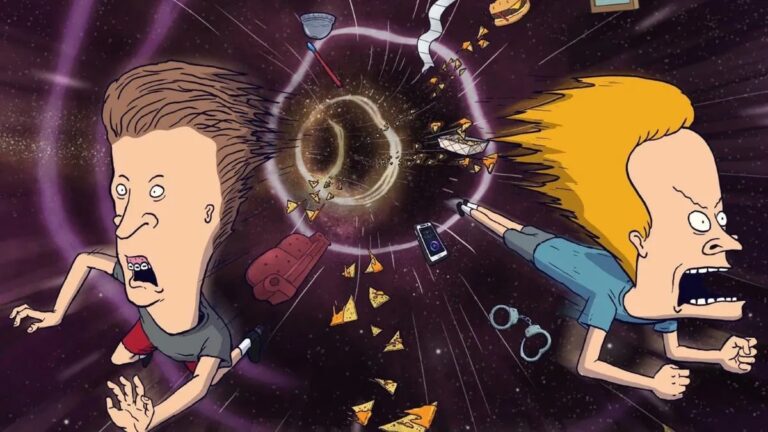
Mike Judge has sent Paramount a legal letter expressing his intention to reclaim ownership of Beavis and Butt-Head, one of MTV’s most iconic animated properties. According to reporting by Puck News, Judge—the creator of King of the Hill, Silicon Valley, and the pair of beloved buffoons—is invoking U.S. copyright law to terminate Paramount’s rights to the franchise. The studio appears to have limited contractual recourse under current legal frameworks, positioning this as a significant test case for creator rights in the entertainment industry.
The Legal Path to Ownership
How Copyright Reclamation Works
American copyright law includes a provision that permits creators to reclaim ownership of their intellectual property after 35 years have elapsed from a work’s creation. This mechanism emerged from copyright reform efforts designed to prevent indefinite corporate control over creative works. The provision represents a genuine legal pathway through which creators can reassert autonomy over their own creations, provided they initiate the process within the appropriate statutory window. Paramount, despite its size and legal resources, cannot simply ignore or refuse Judge’s notification—the law obligates the studio to accept the transfer.
Timeline and Precedent for Beavis and Butt-Head
While most recognize Beavis and Butt-Head as premiering in 1993 as a series, the characters technically debuted on MTV in 1992 during an episode of Liquid Television, an anthology showcase for experimental animation. This 1992 appearance sets the clock for copyright reclamation, making 2027 the year when Judge can legally assert full ownership. His current legal notification to Paramount indicates he is advancing this timeline before the 2027 deadline, likely to establish his intent and potentially negotiate terms ahead of the automatic transfer date.
Judge’s reclamation effort follows a similar strategy employed by another major creator. Richard Garriott, known in gaming circles as “Lord British,” recently used the same 35-year copyright reclamation provision to claim back the Ultima franchise from Electronic Arts. That successful precedent demonstrates that copyright reclamations, while uncommon, are enforceable and difficult for corporations to defend against legally. The Ultima case signaled to the broader entertainment industry that major intellectual properties could be extracted from studio control, provided the statutory timing aligned properly.
What Full Ownership Could Mean
Should Judge successfully reclaim Beavis and Butt-Head, the outcome for the franchise remains open to multiple possibilities. Full ownership does not necessarily mandate immediate removal of the property from Paramount’s platforms or back catalog. Rather, the reclamation would grant Judge substantially greater control over the characters’ creative development, future seasons, licensing arrangements, and distribution choices. He would hold leverage to renegotiate terms with Paramount, explore arrangements with competing studios, or chart an entirely independent path for the franchise.
Beavis and Butt-Head’s Unexpected Modern Success
A Franchise Reborn
Paramount’s recent decision to greenlight a 12th season for Beavis and Butt-Head underscores the franchise’s unexpected commercial viability in the streaming era. The modern revival has achieved what seemed impossible—finding audiences among both longtime fans and younger viewers who initially had no connection to the original MTV run. The show accomplished this through an innovative structural approach, alternating between depicting the pair as their original teenage selves and as decrepit adult versions attempting to navigate a world drastically altered since their youth.
This dual portrayal has enabled the show to explore themes of aging, obsolescence, and how youthful incompetence manifests across different life stages. The characters remain fundamentally unchanged in their ignorance and lack of self-awareness, but the revival’s framework allows for commentary impossible in the original series. Recent scenarios have grown increasingly absurdist, including an episode involving the pair attempting an escape room, a premise that speaks to contemporary entertainment trends while maintaining the show’s signature irreverence.
Evolution of Content and Tone
The franchise’s theatrical films demonstrate how the revival has evolved. The second feature film, while more restrained than its 1996 predecessor, still incorporated social commentary and humor that early iterations would never have attempted. The film contained material addressing white privilege in a way the original run’s audience and creators could not have produced. This willingness to push boundaries while respecting the characters’ fundamental essence has kept the property relevant without alienating its core demographic.
Judge’s Parallel Empire
Judge’s reclamation effort occurs amid considerable success with another foundational creation. King of the Hill completed its 15th season this year on Disney+, representing a major vote of confidence in the revival format. The show took an unexpected creative direction by allowing Bobby Hill, the perpetually struggling patriarch from the original run, to achieve unexpected prosperity and stability in his adulthood—a stark inversion of his struggles across decades of television. This willingness to evolve character arcs across time demonstrates Judge’s active creative engagement with both properties and his ability to sustain these franchises without heavy-handed studio interference.
Paramount’s Institutional Context
The Beavis and Butt-Head reclamation occurs against a backdrop of significant turbulence at Paramount itself. The studio faces ongoing pressure from David Ellison’s attempt to acquire Warner Bros. and merge it into a larger entertainment conglomerate. Those negotiations have encountered repeated complications and delays, progressing considerably slower than Ellison initially projected. The political environment has also shifted—while the Trump administration initially appeared likely to streamline major corporate transactions, the outcome of upcoming midterm elections could substantially reshape the negotiating leverage and strategic calculations surrounding major Paramount properties like SpongeBob SquarePants.
Within this context, the potential loss of Beavis and Butt-Head represents a meaningful complication for Paramount’s intellectual property portfolio. The characters remain among MTV’s most deeply embedded cultural creations, with generational reach and multiple entertainment formats to their name. Their transfer away from Paramount would constitute a significant redistribution of valuable assets during a period when the studio can least afford such losses.
Creator Rights and Industry Implications
Judge’s current momentum across both King of the Hill and Beavis and Butt-Head demonstrates he possesses both creative credibility and industry standing to pursue such goals aggressively. His ability to successfully revive both properties proves audiences remain invested when original architects receive fresh creative input. This development contributes to a broader industry trend in which creators reassert control over decades-old intellectual property that corporations have long treated as permanent holdings. As copyright reclamation provisions continue to activate for properties from the late 1980s and early 1990s, other creators may follow Judge’s path, potentially reshaping media industry ownership patterns significantly.
Frequently Asked Questions
Why can Mike Judge reclaim Beavis and Butt-Head rights from Paramount?
U.S. copyright law allows creators to reclaim intellectual property 35 years after its creation. Beavis and Butt-Head debuted on MTV in 1992, making 2027 the legal reclamation year. Judge's current legal notification appears to advance that timeline ahead of the automatic transfer date.
Has the Beavis and Butt-Head revival been successful?
Yes. Paramount recently greenlit a 12th season, and the modern version has attracted both longtime fans and new audiences by alternating between the characters as teenagers and as deteriorating middle-aged adults navigating a transformed world.
What precedent exists for creator reclamation?
Richard Garriott successfully used the same 35-year copyright reclamation provision to claim back the Ultima franchise from Electronic Arts, demonstrating that such reclamations are enforceable and difficult for corporations to contest legally.
