
Key takeaways
- Young YouTubers called LARPtubers directly impersonate established creators by recreating their personas, styles, and voices, forcing originals to confront versions of themselves they've evolved past.
- iDubbbz expressed conflicted feelings about ILarpzTV impersonating his older, more offensive comedy style that he has since left behind and actively worked to distance himself from.
- TechnoLarp's impersonation of deceased Minecraft streamer Technoblade became controversial when the family demanded it stop; the creator then succeeded with original content as StrikerMC.
Over two decades of existence, YouTube transformed from a repository of user-submitted clips to the planet’s dominant entertainment platform. That longevity carried unintended consequences: viewers who grew up on the site developed nostalgic attachments to eras that many creators now actively want to escape.
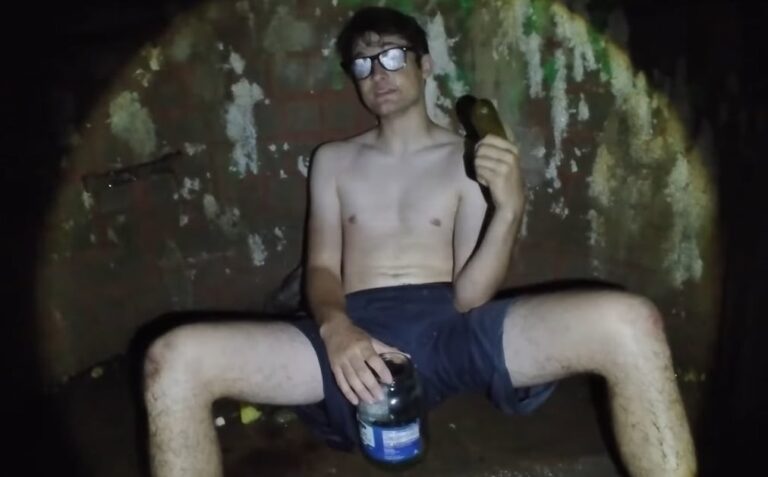
Reporter Steven Asarch recently investigated an emerging phenomenon he documents in video form: “LARPtubers,” a term describing content creators who do not merely adopt the stylistic flourishes of older YouTubers, but directly impersonate them—recreating entire personas as if method-acting a character role. The effect occupies unsettling middle ground between tribute and haunting, forcing original creators to confront personas they’ve spent years trying to shed.
The YouTube Generation and Its Unmoderated Inheritance
“Children born after the year 2000 got their content through YouTube, where there were little to no guardrails for what they could watch,” Asarch explains in his investigation of the trend. This demographic cohort came of age without the content filtering mechanisms now considered baseline expectations. They internalized videos from creators who would eventually disavow, evolve past, or actively work to distance themselves from that earlier work.
Rewarding the Provocative
The platform’s underlying structure intensifies the problem. YouTube’s algorithm and monetization system reward content that is bigger, louder, more dramatic, and more deliberately provocative. Restraint generates diminishing returns. This incentive architecture produced decades of high-profile controversies: PewDiePie compensated individuals to hold signs praising Hitler; Logan Paul created content that alienated both YouTube as a platform and Japan as a nation; parents filmed so-called pranks that constituted child abuse.
YouTube’s corporate guidelines have expanded repeatedly in response, oscillating between necessary safety improvements and bureaucratic overreach. Yet the damage persists in the form of young audiences who remember and idolize the unfiltered version that preceded the cleanup. “A decade is a long time on the internet,” Asarch observes. “And as a creator, you either evolve or you die.”
The Conflict of Influence: iDubbbz and ILarpzTV
Building on Shock
Ian Kane Jomha, performing under the name iDubbbz, constructed his early YouTube career on deliberately offensive comedy designed to provoke reaction and test platform boundaries. He pushed buttons with precision, exploring what YouTube would tolerate. This version of iDubbbz cultivated a substantial and devoted audience across millions of subscribers.
Jomha eventually made a conscious choice to move away from shock humor and the systematic button-pushing that had defined his initial rise. He grew past the style. That departure created a vacuum—space where the old iDubbbz content should have been, but no longer was.
The Fan Who Followed
ILarpzTV, a teenager, filled that vacuum not through creating inspired work, but through direct impersonation. This young creator didn’t build in iDubbbz’s style; this creator became iDubbbz, mimicking the old format and comedy approach wholesale. Jomha finds watching ILarpzTV’s videos genuinely difficult. Yet his emotional response remains fractured.
“I think my feelings are a little bit complicated,” Jomha told Asarch. “I’ve kind of been fighting against that myself for so long and to so many people like it’s it’s kind of a joke now. If people don’t want to leave that time, I can’t really force them. I’ve tried to do it in all the ways that I can. So if they’re able to get it in, just kind of like a watered down, I would say hopefully less slurs version of iDubbbz then cool.”
The statement captures an impossible position: Jomha has invested years distancing himself from his own earlier work, yet fans demand exactly what he has moved past. He cannot compel an audience to evolve alongside him.
The Tragedy of Technoblade
Not all instances of LARPing stem from living creators uncomfortable with nostalgia. Some cross into ethically intolerable territory.
A creator using the name TechnoLarp constructed an entire channel as direct impersonation of Technoblade, a Minecraft streamer with substantial and passionate viewership. TechnoLarp adopted comparable vocal patterns and avatar design, attempting to preserve the experience of viewing Technoblade content. The stated intent appeared benign on its surface—a fan channeling genuine admiration through imitation.
Technoblade died in 2022 from cancer. He was 23 years old at the time. Technoblade’s family viewed the impersonation as inappropriate. They issued a public demand that TechnoLarp discontinue the mimicry. The ethical dimension became impossible to ignore: a living creator was generating revenue by performing a deceased creator’s established persona.
The creator, now operating under the name StrikerMC, reflected on the choice when speaking with Asarch. “I did something I really shouldn’t have,” he acknowledged. “I’m not a super emotionally adept person.” He has since abandoned the Technoblade impersonation completely and developed an original streaming personality. His audience has continued to expand. StrikerMC demonstrates one possible positive outcome: when impersonation functions as temporary scaffolding rather than permanent identity.
Platform Evolution and Impossible Stasis
Creators from YouTube’s earliest eras have largely either reinvented themselves or relocated to platforms more permissive of their original content. The choice remains binary: adapt or migrate. Even Mr. Beast, widely discussed as a commanding presence in contemporary YouTube, cut away significant portions of his earlier videos.
YouTube’s own rules tighten continuously. The platform revises its algorithm and payment structure at regular intervals, frequently in direct response to advertiser preference. Creators cannot simply maintain a fixed artistic identity and expect equivalent visibility or earnings. The ecosystem demands constant renegotiation between creative intent and platform economics.
These conditions create fertile ground for LARPing to flourish. Younger viewers, having grown up on YouTube content with minimal editorial oversight, developed emotional connections to eras that YouTube itself has worked to make obsolete. They reach backward for something that no longer exists in functional form and attempt to resurrect it through their own channels.
The Question of Training Wheels
StrikerMC’s journey offers an optimistic template. By impersonating Technoblade initially and then pivoting toward original content, he cultivated an audience that continues to grow. If these impersonation phases can function as actual scaffolding—temporary structure before learning to build independently—then LARPtubers might represent a generational transition rather than a permanent cultural stance.
Historical patterns in streaming suggest darker possibilities. These trends rarely evolve toward healthier outcomes. Incentive structures remain fundamentally misaligned. Young creators chasing attention through recreating prohibited versions of old YouTubers compete directly with the original content they admire, typically in diminished form. Adults who grew up on that content and evolved past it face the profound discomfort of their youth rendered as fan recreation.
The genuine question is whether young creators can genuinely use impersonation as a temporary learning phase and then advance, as StrikerMC did, or whether YouTube’s attention economy traps them in permanent retrospection. For the present moment, LARPtubers continue pulling from YouTube’s two decades of archived history, each one reaching back for an image of creators who have long since moved beyond.
Frequently Asked Questions
What are LARPtubers?
LARPtubers are content creators who impersonate older YouTubers by recreating their personas, styles, and voices, mimicking them as if performing a character rather than simply being inspired by them.
Why do original creators feel conflicted about LARPtubers?
Creators like iDubbbz have evolved away from their earlier work, but LARPtubers keep those older, often problematic personas alive, forcing originals to confront versions of themselves they've spent years trying to move past.
What happened with Technoblade and why was it controversial?
Minecraft streamer Technoblade died from cancer in 2022, but a creator called TechnoLarp continued impersonating him with similar voice and avatar. Technoblade's family found this inappropriate and demanded it stop, leading TechnoLarp to pivot to original content as StrikerMC.
