
Key takeaways
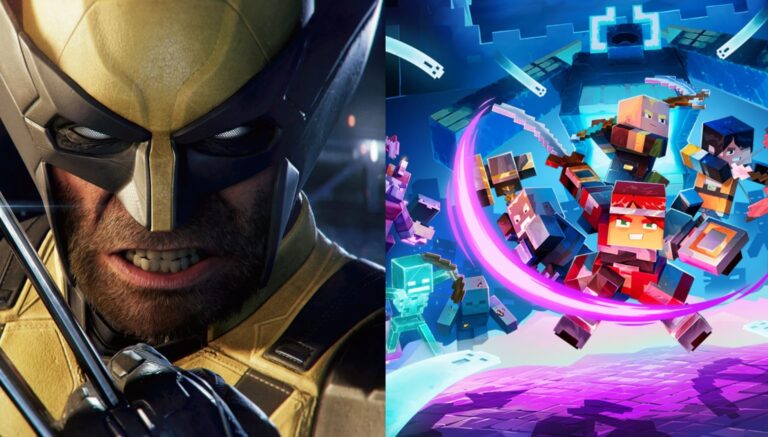
- Xbox removed multiplatform references from trailers like Minecraft Dungeons 2, signaling a reversal of prior transparency about where games launch across different platforms.
- Sony deleted its corporate commitment to PC ports from official strategy documents, while marking new releases including Ghost of Yotei and Marvel's Wolverine with "PlayStation 5 exclusive" designations.
- Console makers are systematically reinforcing ecosystem boundaries after years of multiplatform strategy, reducing options for consumers who own hardware across multiple manufacturers.
The marketing strategies governing console manufacturers have undergone fundamental transformation. Xbox and PlayStation, which had progressively embraced transparency regarding multiplatform availability across their promotional campaigns, are now systematically removing references to competing systems from marketing materials, reversing what many observers perceived as an irreversible shift toward platform-agnostic release strategies.
Microsoft’s Explicit Marketing Realignment
Exclusion of Competitor Platforms
A Minecraft Dungeons 2 promotional trailer uploaded to Xbox’s official YouTube channel last week conspicuously omitted any reference to Nintendo or PlayStation platform versions, departing notably from earlier trailers for the identical title, which had explicitly identified all systems on which players could access the game. This constitutes a deliberate adjustment in how Xbox presents its software ecosystem to potential audiences.
The reorientation extends beyond passive omission into active exclusion. Xbox withdrew promotional content for Halo: Campaign Evolved from a PlayStation State of Play event entirely, and the company has announced that Gears of War: E-Day will remain exclusive to Xbox platforms and will not launch on PS5, establishing unambiguous platform exclusivity for a major franchise installment.
Internal Leadership Conflict on Messaging Strategy
The strategic reconfiguration emerges from substantive disagreement within Xbox’s executive structure. Matt Booty, serving as Chief Content Officer until recently, publicly articulated a defense for including competitor platform logos within Xbox promotional showcases, grounding his position in the practical argument that audiences watching these materials deserved transparent information about which systems would actually support the games being presented. This reasoning treated comprehensive platform disclosure as both a consumer service and an implicit acknowledgment of market realities.
Asha Sharma, now serving as Xbox’s CEO, explicitly rejected Booty’s framework, describing his approach as “a miss.” This characterization signals that Xbox’s future promotional strategy will emphasize and highlight platform exclusivity rather than providing comprehensive, factual disclosure about multiplatform availability. The contradiction between this stated direction and Xbox’s simultaneous support for certain multiplatform releases remains evident, yet the stated strategic intent is unambiguous.
Sony’s Methodical PC Port Elimination
Erasing Multiplatform Commitment from Corporate Documentation
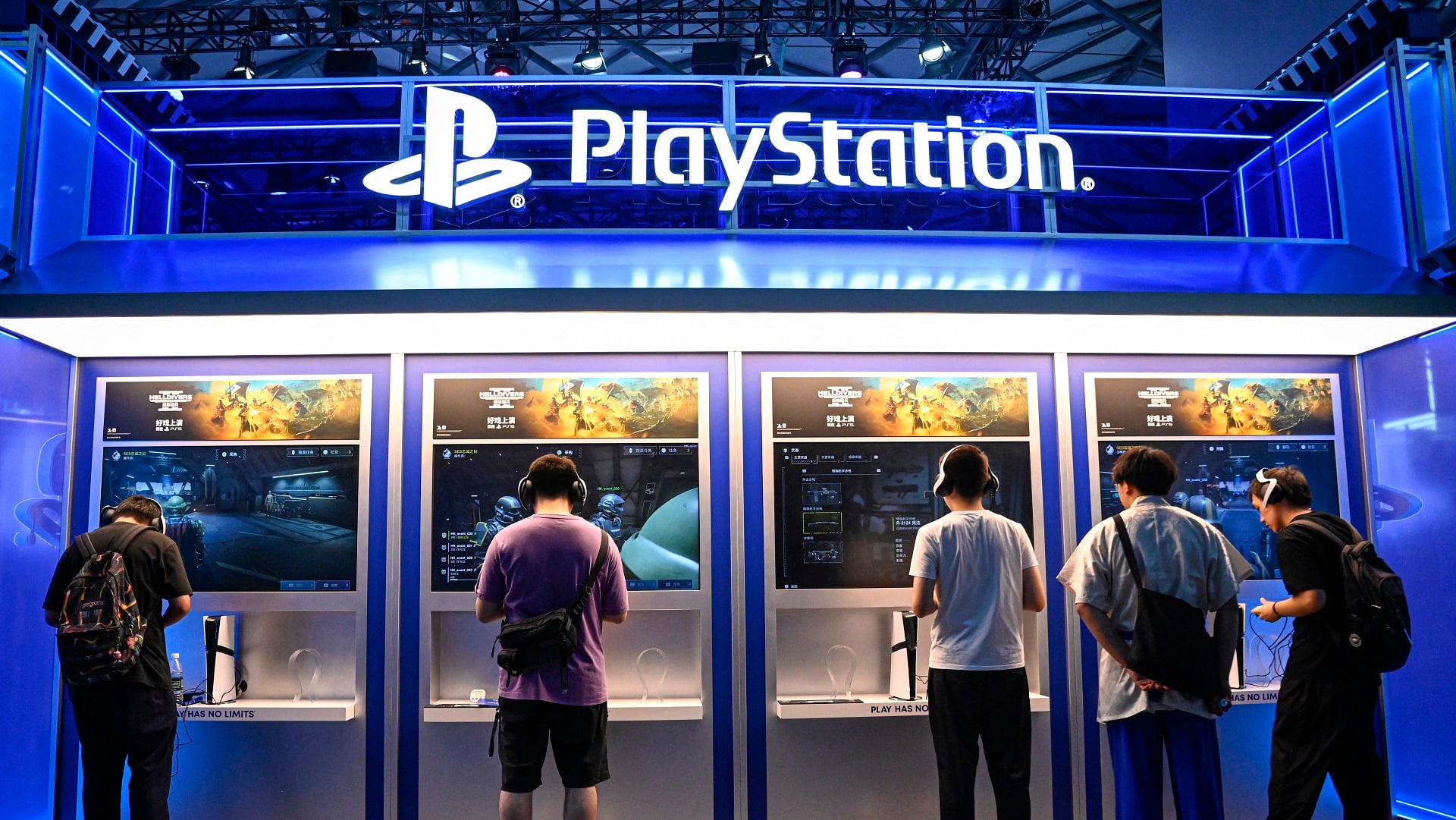
Sony’s systematic retreat from porting marquee PlayStation titles to PC has progressed with considerably less public fanfare than Xbox’s marketing overhaul, yet with equivalent organizational significance and deliberateness. Bloomberg initially reported that Sony is abandoning the strategic approach that had resulted in games including Spider-Man 2 reaching PC audiences following their console exclusivity windows.
This decision appears to operate at the level of corporate strategy rather than circumstantial market response. When Game File conducted analysis of Sony’s 2026 strategic documentation, it identified the deletion of previously standard language affirming Sony’s intention to “plans to continue its efforts to deploy its first-party titles to multiple platforms such as PC.” This removal from official corporate strategy materials indicates conscious recalibration of company priorities rather than casual evolution.
“PlayStation 5 Exclusive” as Categorical Statement
Sony’s marketing organization has begun designating upcoming first-party titles with “PlayStation 5 exclusive” classifications that function as forward-looking commitments beyond their immediate platform status. Promotional campaigns for Ghost of Yotei, Saros, and Marvel’s Wolverine employ this nomenclature to communicate platform exclusivity intentions without issuing explicit temporal guarantees regarding PC availability. The language effectively signals direction while maintaining technical imprecision.
Helldivers 2 represents the final significant instance of Sony’s prior multiplatform approach, as the studio brought this title to Xbox Series X and S platforms. No comparable cross-platform initiatives have been announced subsequently, and Sony leadership has offered no suggestion of planned future multiplatform experiments.
Consequences for Multi-Ecosystem Consumers
Consumers maintaining simultaneous ownership of PlayStation 5 hardware and PC gaming systems previously derived substantial benefit from Sony’s incremental willingness to port major franchise titles to additional platforms, despite periods of platform exclusivity preceding such releases. That flexibility is being systematically curtailed. Players can no longer reasonably assume that marquee PlayStation properties will reach non-Sony platforms within commercially meaningful timeframes.
Marvel Tokon: Fighting Souls exemplifies this shift in strategic priorities. As a live-service online multiplayer title, the game represents the precise category where expanded platform availability would theoretically maximize audience engagement and maintain competitive longevity. Its persistent PlayStation-exclusive status, despite fitting the profile of a logical candidate for Xbox and Switch 2 distribution, demonstrates that exclusivity now supersedes conventional business logic regarding audience maximization.
The Return of Platform Walls
Industry analysis over the preceding years had substantially focused on the proposition that dedicated console hardware approached operational obsolescence, destined for eventual replacement by an open, PC-resembling ecosystem in which software distribution would operate independent of specific manufacturer hardware platforms. The multiplatform messaging strategies that Xbox and PlayStation implemented during this period implicitly reflected acknowledgment of this theoretical trajectory, with transparent disclosure of cross-platform releases functioning concurrently as consumer service and philosophical concession to perceived market inevitability.
Both organizations are now deliberately dismantling that strategic framework. Console manufacturers are actively rebuilding ecosystem boundaries, employing marketing communications strategically to accentuate rather than minimize perceived differentiation between competing platforms. The underlying motivation—whether reflecting confidence in exclusivity’s intrinsic value or defensive response to market pressures—remains ambiguous, but the tactical execution is demonstrable and comprehensive.
Frequently Asked Questions
Why are Xbox and Sony changing their multiplatform strategy?
New Xbox CEO Asha Sharma characterized the previous multiplatform transparency approach as "a miss," while Sony quietly removed its commitment to deploying first-party titles to multiple platforms from its 2026 strategy document.
Which games are affected by these exclusive policies?
Gears of War: E-Day is confirmed exclusive to Xbox, while Ghost of Yotei, Saros, and Marvel's Wolverine carry "PlayStation 5 exclusive" labels suggesting no PC port plans.
Is there any exception to this exclusivity trend?
Helldivers 2 represents the most recent instance of Sony publishing on competing platforms, released on Xbox Series X and S, though no similar multiplatform releases have been announced since.
