
Key takeaways
- Two Chinese men swapped nearly $1,700 RTX 5080 graphics cards for $300 RTX 3060 models at multiple esports hotels in Wuhan, stealing about $12,000 total before arrest.
- The scheme went undetected because GPU modules look visually similar, and no customers noticed performance differences during their stays at the hotels.
- A power outage in one compromised room and pry marks on PC cabinet locks led police to investigate and discover the theft pattern across four separate hotel locations.
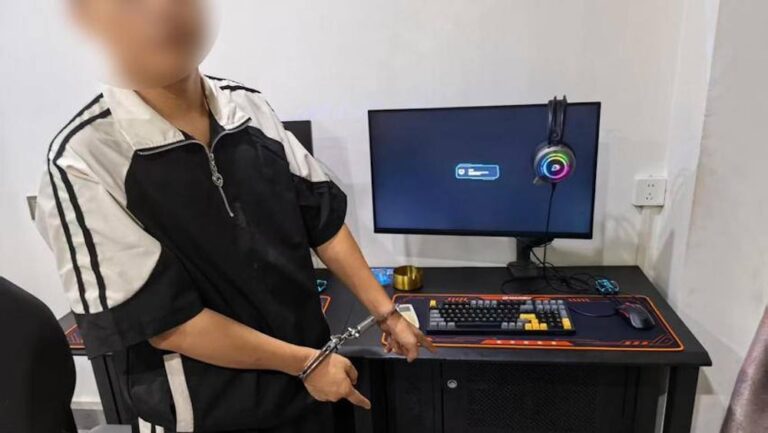
- Both men were arrested on July 20 after police connected them to four separate incidents; stolen graphics cards were recovered and returned by August 5.
A scheme to steal high-end graphics cards from esports hotels in China was exposed when police caught two men attempting to swap expensive RTX 5080 GPUs for much cheaper alternatives. The operation, which targeted multiple establishments across Wuhan, went undetected for several incidents until a power outage and subsequent inspection revealed the systematic theft.
The Strategy Behind the Theft
The two Chinese men devised a plan that exploited a specific business model: esports hotels that rent out rooms equipped with powerful gaming PCs and high-speed internet connections. Their logic was straightforward. Each room contained NVIDIA GeForce RTX 5080 graphics cards valued at approximately $1,700 each. The cost of a single night’s stay at these establishments was substantially less than the price of a single GPU. The thieves would arrive with RTX 3060 cards worth around $300 each, swap them for the RTX 5080s during their stay, and later sell the stolen hardware online.
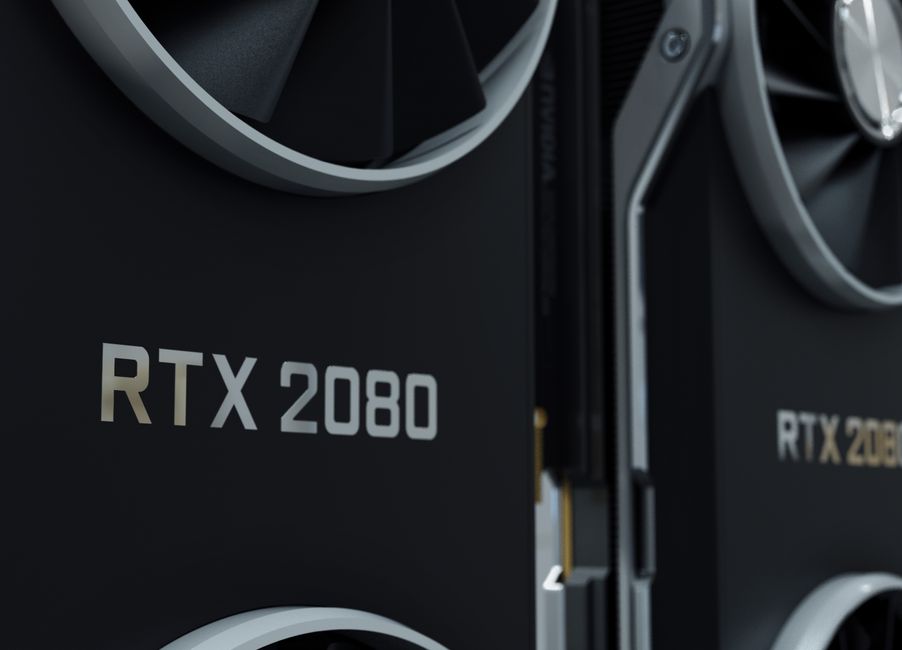
The plan depended on a critical visual similarity: from a casual glance, one GPU module looks much like another. Both the RTX 5080 and RTX 3060 are fan-laden cards that fit into the same mounting brackets and occupy similar physical space inside a gaming PC. The thieves bet that this resemblance would allow them to perform the swap without immediate detection, that staff would not notice the substitution, and that guests would not complain about performance degradation until the cards had been long gone.
Execution and Operation
Planning and Logistics
The criminals packed RTX 3060 graphics cards in their luggage when checking into esports hotel rooms. Once inside, they accessed the gaming PCs—which were locked in cabinets—and performed the swap. This required only basic hardware knowledge and minimal tools, making the operation relatively quick and simple. The choice to target esports hotels rather than retail locations gave them direct access to the machines without triggering alarms or requiring specialized knowledge of network security.
The Secondary Market Sales
After removing the RTX 5080s, the men sold them online for approximately half their retail value. This aggressive discounting served multiple purposes: it moved stolen inventory quickly, it avoided suspicion that might come from pricing the cards at full retail rates, and it attracted buyers seeking deals on expensive components. The secondary GPU market is active enough that stolen cards can be absorbed without raising red flags if priced competitively.
Why No One Complained
A remarkable aspect of the case is that no hotel guests reported performance problems. The RTX 5080 is a flagship card designed for demanding games and intensive workloads, while the RTX 3060 is a mid-range option from an earlier generation. The performance difference should be noticeable to any gamer running modern titles at high settings. Yet the investigation revealed that customers using the compromised machines had not filed complaints, suggesting either that guests did not stress-test the hardware during their stays or that esports hotel clientele includes users who do not immediately recognize performance deficits.
Escalating Operations Across Wuhan
Emboldened by their initial success, the two men repeated their scheme across multiple locations. Over several visits to different establishments, they targeted at least four separate esports hotels in the Wuhan area. The total value of graphics cards stolen across these incidents came to just under 80,000 yuan—approximately $12,000 in U.S. currency. The ability to repeat the scheme across multiple locations suggests that their modus operandi was effective and that no single hotel had flagged the pattern of thefts to others.
The criminals’ confidence grew to the point where they returned to a previously-victimized hotel, presumably intent on stealing from additional machines within the same establishment. This decision to revisit a location they had already targeted would prove to be their critical mistake.
How the Scheme Unraveled
A Power Outage Raises Suspicion
During their stay in the revisited hotel, the room they occupied lost power. Police suggested that the thieves’ tampering with the gaming PC cabinets during the swap process had caused the electrical outage. Rather than quietly abandoning the compromised room, the men called the front desk and requested relocation to another room. This decision to interact with staff while the room was experiencing electrical problems set off a chain of events that would expose their entire operation.
Investigation and Discovery
An electrician was dispatched to diagnose and repair the power issue. Upon inspecting the affected room, the electrician observed “pry marks” on the cabinets that housed the gaming PCs. These physical indicators of forced entry immediately aroused suspicion. Hotel staff recognized the significance of the damage and began checking other rooms where the same pair had previously stayed. When they examined the PCs in those rooms, they found identical evidence of the swap: RTX 3060 graphics cards installed where RTX 5080s should have been.
Arrest and Recovery
Wuhan police cross-referenced hotel check-in records, staff observations, and physical evidence of swapped components to build a comprehensive case. They connected the two men to four separate theft incidents across the city. Both criminals were arrested on July 20. Police recovered the stolen graphics cards, and by August 5, the RTX 5080 units had been returned to the hotel managers.
According to the police report, at least one hotel manager expressed satisfaction with the swift response, noting that guests had not filed any complaints about their machines during the relevant period—a statement that underscores how undetectable the swap had been to actual users.
The Broader Context of GPU Theft
This case illustrates the extraordinary demand for and value of high-end graphics cards in gaming and professional markets. The RTX 5080, priced around $1,700, represents a flagship product that commands significant resale value even in secondary markets. The fact that criminals were willing to invest time and effort into this specific scheme demonstrates the robust demand for graphics cards and the substantial profit margins available through theft and resale.
The incident also reveals a vulnerability in the esports hotel business model. These establishments assume that customers possess sufficient technical knowledge to detect performance deficits when premium hardware has been replaced with inferior alternatives. Yet in this case, the visual similarity between two GPU generations, combined with the lack of immediate benchmarking or stress-testing by guests, allowed the theft to persist across multiple hotels before detection. The case serves as a reminder of the continued desirability of high-end gaming hardware and the creative methods criminals employ to profit from that demand.
Frequently Asked Questions
How did the thieves pull off the GPU swap without detection?
They checked into esports hotel rooms containing RTX 5080 GPUs worth $1,700 each and swapped them with RTX 3060 cards worth $300 that they brought in their luggage. Because the two graphics card models look similar at first glance, the substitution initially went unnoticed.
What ultimately exposed the theft scheme?
A power outage in one of the rooms the thieves occupied led an electrician to inspect the PC cabinets. The electrician found pry marks indicating forced entry, prompting hotel staff to check other rooms where the pair had previously stayed, where they discovered RTX 3060s instead of RTX 5080s.
How much was stolen and what happened to the criminals?
The two men stole just under 80,000 yuan—approximately $12,000—in graphics cards across four hotels. Both were arrested on July 20, and the stolen RTX 5080 graphics cards were recovered and returned to the hotel managers by August 5.
