
Key takeaways
- Nathan Fielder and Lance Oppenheimer direct a documentary following Elizabeth Holmes through her final 34 days before serving an 11-year prison sentence for Theranos fraud.
- The film reveals Billy Evans' extensive influence over Holmes' public image, social media presence, and daily life, including which interview questions she answers.
- Fielder's straightforward questioning exposes evasive and contorted answers from both Holmes and Evans, including a revealing discussion about the definition of the word "can."
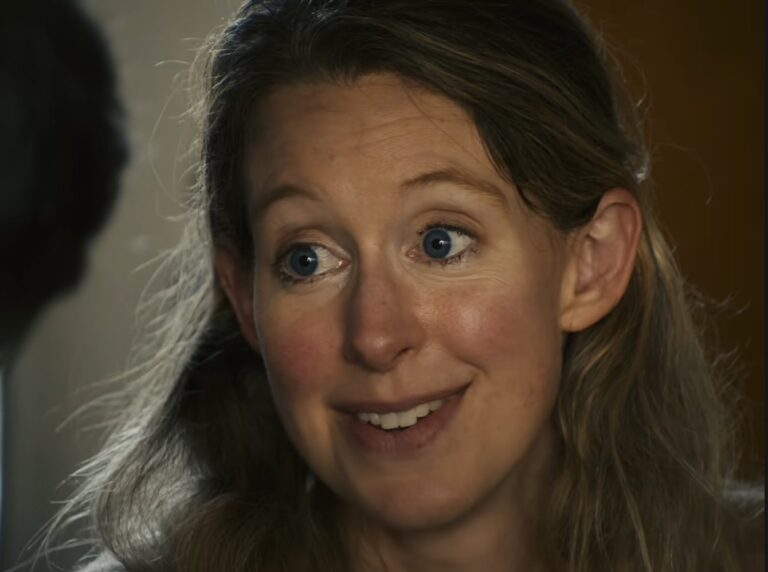
Elizabeth Holmes, the convicted founder of the failed health technology company Theranos, is the subject of a new documentary titled “You Can See Everything.” Directed by Nathan Fielder, known for his HBO series “Nathan for You,” and Lance Oppenheimer, the film follows Holmes through her final 34 days before she must report to prison to serve an 11-year sentence. She was convicted of defrauding investors in Theranos, which had claimed to revolutionize blood testing. The documentary captures these final weeks as Holmes spends time with her two young children and her partner, Billy Evans, heir to the Evans Hotels business.
An Unusually Participatory Film Experience
According to Kotaku’s review, watching “You Can See Everything” produces an experience unlike typical documentary viewing. The reviewer described it as the most interactive film experience they had encountered outside of explicitly participatory events. They gasped, exclaimed, and felt physically engaged by what appeared on screen, shifting between fascination and discomfort. The intimate and revealing nature of the documentary lends itself to collective viewing, where turning to another person to confirm what you’re witnessing becomes part of the experience itself. Kotaku recommends seeing the film in a full theater with someone you know, emphasizing that this shared context enhances the documentary’s impact.
Billy Evans and the Dynamics of Control
A Relationship Under the Camera
Rather than offering a simple portrait of a convicted fraudster’s final days of freedom, the documentary becomes an examination of Holmes’ relationship with Billy Evans. As the Kotaku review documents, Evans influences nearly every aspect of Holmes’ visible life. His presence shapes which interview questions Holmes answers, what her father can discuss publicly, her public image, her social media presence, and even mundane details such as how she prepares meals. A scene involving the whisking of eggs becomes particularly illuminating. For viewers familiar with patterns of abusive or narcissistic control, this moment triggers immediate alarm. The reviewer describes even finding themselves questioning whether Holmes required intervention.
The Reality of Separation Ahead
The first half of the film’s nearly three-hour runtime centers on Holmes’ relationship with Evans and how it manifests in practice. The documentary appears on the surface to offer genuine insight into Holmes as a person, distinct from her legal conviction and the Theranos scandal. Yet the presence of her two young children throughout filming provides constant context. These children will grow up without their mother for more than a decade, a reality that gives the footage substantial weight regardless of questions about Holmes’ personality or intentions.
The Question of Awareness and Normalization
Whether Holmes is consciously aware of Evans’ control or has simply normalized it within their relationship becomes part of what the documentary leaves ambiguous. Evans functions as a significant influence on how Holmes presents herself and responds to questioning. The Kotaku reviewer notes that both Holmes and Evans appear to be following a script when cameras are running, and that script fractures when Fielder poses direct questions. This dynamic between performance and breakdown structures much of the film’s tension.
Fielder’s Questioning Breaks Down the Narrative
Nathan Fielder’s approach differs from conventional documentary filmmaking. Rather than conducting formal interviews, he engages Holmes and Evans in seemingly casual conversations where straightforward questions yield surprisingly evasive answers. In one sequence, a discussion about the definition of the word “can” reveals how both individuals adopt tortured interpretations when pressed. Fielder operates not as a lawyer conducting a cross-examination, yet both Holmes and Evans stumble over responses to innocuous questions. At one point, Fielder breaks from his observational distance and says “Liz, come on,” expressing disbelief at an explanation he has just heard. These moments expose a gap between what Holmes and Evans wish to present and what their actual responses reveal.
Fielder’s refusal to accept their explanations at face value creates propulsive tension throughout the film. The Kotaku reviewer notes that Fielder seems unable to accept some of what he’s hearing, no longer willing to let twisted definitions and interpretations stand unchallenged. His expressions of disbelief become part of the documentary’s texture, shifting from observer to participant.
The Problem of Authenticity and Documentary Distance
The documentary presents subjects who seem authentic, in part because of the mundane reality of children being present throughout filming. You cannot fabricate the presence of young children or the genuine emotion of a family facing enforced separation. Yet Fielder’s questioning repeatedly undermines any sense that Holmes and Evans are simply being themselves. Their answers do not track with typical human behavior; their interpretations seem rehearsed or deliberately distorted. This raises questions about the documentary itself and whether Fielder maintained appropriate distance from his subjects. The Kotaku reviewer expresses uncertainty about whether 30 days of proximity and intimacy may have influenced Fielder’s approach or his editorial decisions. What begins as observation shifts into something more interventionist when Fielder expresses his disbelief directly.
What Remains Unresolved
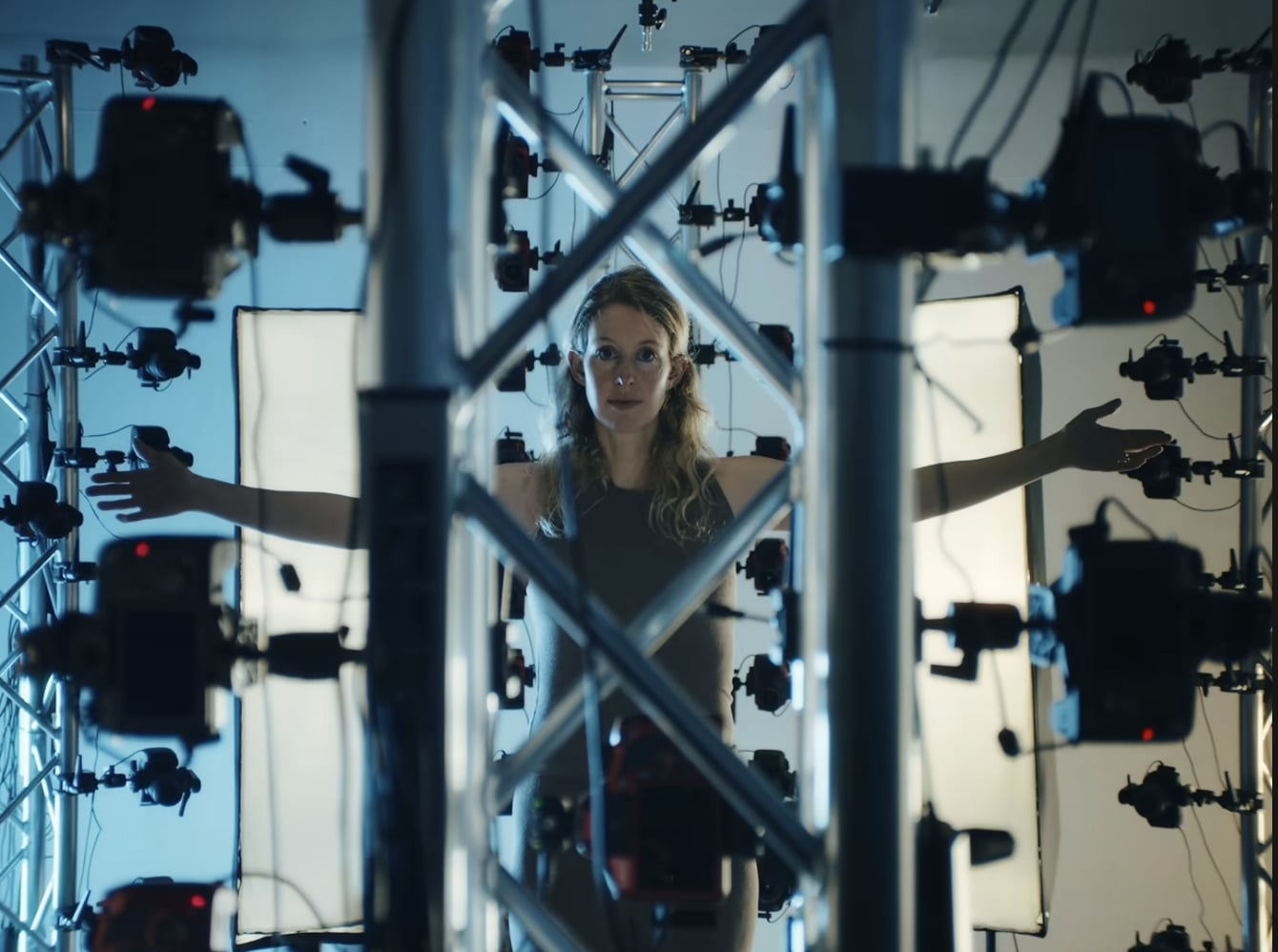
“You Can See Everything” does not provide viewers with a deeper understanding of who Elizabeth Holmes is as a person. It does not resolve questions about her guilt, her motivations, or her character beyond what is already established through her conviction. What it does document is a specific moment in time—34 days before an 11-year federal prison sentence begins—and what that moment reveals about the relationship between Holmes and Evans. The film shows everything, but whether the viewer believes what they see remains an open question. The title itself becomes ironic: you can see everything unfold on screen, yet seeing and understanding are not synonymous.
Source: Kotaku
Frequently Asked Questions
Who directed "You Can See Everything" and what is it about?
The documentary was directed by Nathan Fielder and Lance Oppenheimer. It follows Elizabeth Holmes through her final 34 days before reporting to prison to serve an 11-year sentence for defrauding Theranos investors.
Who is Billy Evans and what role does he play in the documentary?
Billy Evans is Elizabeth Holmes' partner and heir to the Evans Hotels business. According to the film, he exerts significant influence over Holmes' public image, social media presence, interview participation, and private life.
What approach does Nathan Fielder take when interviewing his subjects?
Rather than formal interviews, Fielder engages Holmes and Evans in seemingly casual conversations where straightforward questions reveal evasive and contradictory answers. At one point he directly expresses disbelief, saying "Liz, come on" in response to their explanations.
