
Key takeaways
- NoGlyph accused Little Field Studios of copying their code byte-for-byte using AI decompilation, with 39 identical methods and error messages pulled directly from NoGlyph's project.
- A Roblox creator cloned Escape the Walls in 24 hours using only a single video and Claude AI, demonstrating how quickly automated decompilation can steal game code.
- Indie developers lack the legal resources to fight every clone that appears online, forcing studios like Alliance Arts to cancel public demos out of fear of AI-assisted theft.
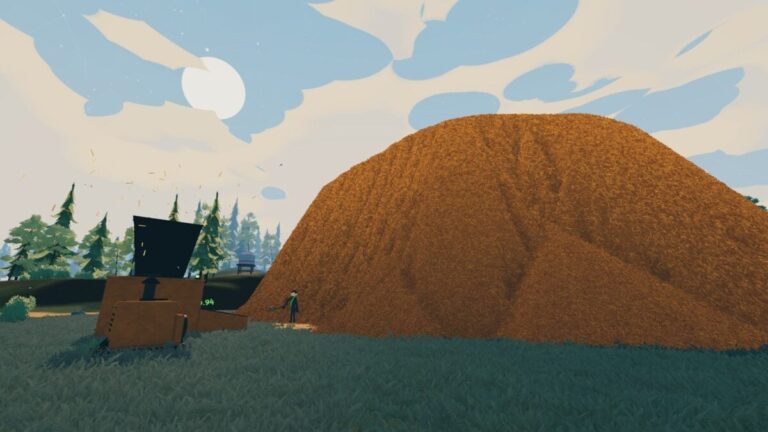
The viral success of Studio Bitdot’s Needle In A Haystack Simulator in August sparked a flood of clones across Steam. Now, the situation has spiraled into something far more troubling: a clone has itself been cloned, using artificial intelligence to steal code almost byte-for-byte. The incident underscores a crisis facing independent game developers, one that neither legal protections nor studio resources can adequately address.
The Multiplication of Copies
When Studio Bitdot’s incremental sorting simulator went viral across social media, the developer’s success attracted immediate imitators. Within weeks, Steam hosted at least fourteen games with nearly identical titles and gameplay, all riding the coattails of the original haystack concept. Titles such as A Needle In A Haystack and Story of The Needle In A Haystack flooded the platform, each claiming a piece of the viral moment.
From One Clone to Many
Among these numerous copies stood NoGlyph’s Needle In A Haystack, released on September 29. The game appeared to be a straightforward clone: similar title, similar premise, similar execution. NoGlyph’s version did not appear to rely on vibe-coding, according to reporting from Kotaku, and carried no AI disclaimers on its Steam store page. The game represented the typical cloning phenomenon that followed Studio Bitdot’s viral success.
When the Clone Itself Gets Cloned
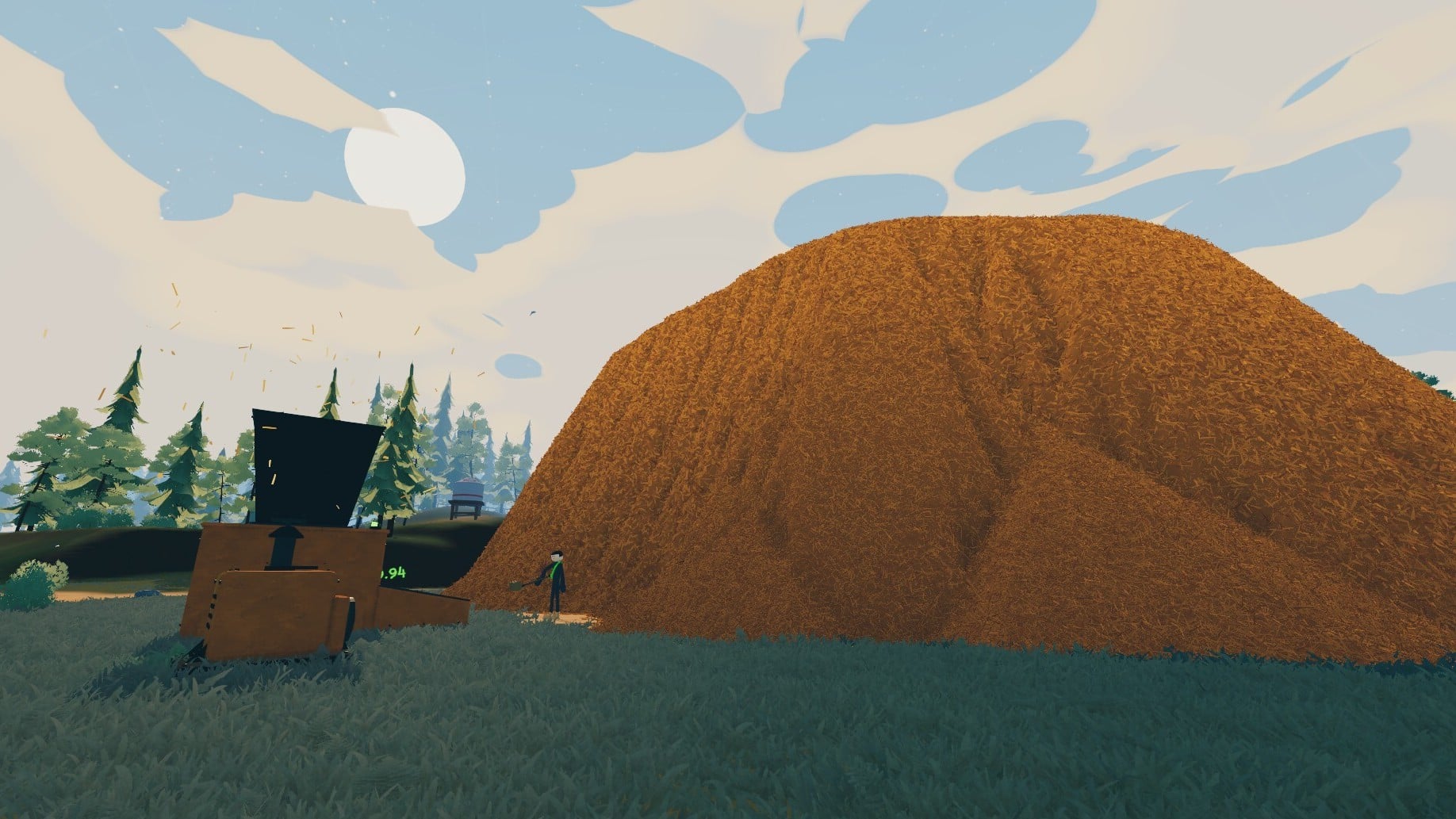
On October 17, NoGlyph filed an accusation against another Needle In A Haystack Simulator clone: A Game About Needle In A Haystack by Little Field Studios, released just one day earlier on October 16. What NoGlyph discovered suggested something far worse than casual imitation. The developers found evidence that their code had been directly extracted, decompiled using AI, and inserted into Little Field Studios’ game.
The Technical Crime
NoGlyph’s analysis of Little Field Studios’ game files revealed the extent of the copying. The post on Steam detailed findings that went beyond surface-level mimicry: thirteen of NoGlyph’s classes appeared in the competitor’s game with identical names, and more than half of the functions in that section matched exactly.
Exact Replication at Scale
The most damning evidence involved error messages. NoGlyph found their own error messages copied word-for-word into Little Field Studios’ game, including one that referenced a shader from NoGlyph’s project that does not exist in the accused clone. Jahvin, the lead developer at NoGlyph, provided further confirmation on the studio’s Discord server: Little Field Studios’ game contained 39 same-named methods that were byte-for-byte identical to NoGlyph’s code.
Claude-Assisted Decompilation
This pattern of copying carries a specific signature. What Jahvin’s analysis describes is consistent with Claude-assisted decompilation, a technique where AI tools reverse-engineer a game’s closed-source code into readable form, which can then be directly copied or fed back into an AI to regenerate as a new project. The process bypasses traditional reverse-engineering knowledge and automates the theft of intellectual property at scale.
A Pattern Across the Industry
Needle In A Haystack’s clone drama does not represent an isolated incident. According to Kotaku’s reporting, the practice has already reached other corners of independent game development, with troubling speed and technical sophistication.
Escape the Walls and the 24-Hour Clone
A Roblox creator cloned the upcoming indie game Escape the Walls within 24 hours of its developer posting a video preview on X. The cloning process required only a single video of the game in action. The creator later made a brazen admission about how the feat was accomplished: Claude did everything, the creator claimed, while they simply watched. This boast highlights how AI-assisted decompilation and code generation have lowered the barrier to stealing game code from hours or days of technical work to mere minutes.
Cancelling Plans to Protect Originals
Alliance Arts, the developers behind Drunken Goddess Reflux, took a defensive step that may foreshadow a broader trend. The studio announced the cancellation of plans to release an upcoming demo on Steam. Their reasoning was direct: they feared that AI tools could quickly produce works imitating or replicating the game’s presentation and gameplay if the demo were released before the full game launched. Rather than risk losing their work to automated cloning, Alliance Arts chose to withhold their demo from public view entirely.
Why Indie Developers Cannot Fight Back
A key difference separates indie studios from major publishers when facing intellectual property theft. Large companies maintain legal departments and sufficient revenue streams to pursue litigation against every clone that appears online. Indie developers lack this infrastructure and capital.
Steam users have shown little sympathy toward NoGlyph’s situation, with some framing the cloning as karmic retribution for NoGlyph itself riding Studio Bitdot’s coattails. The lack of industry-wide outrage creates a vacuum where cloning proceeds with minimal social cost. Without the resources or social support to challenge every vibe-coded ripoff, indie developers face a grim calculus: invest money into legal action with uncertain payoff, or accept the loss and move forward.
The Future of Indie Game Reveals
The cumulative effect of AI-assisted code theft threatens the basic promotional strategies indie developers have relied on for years. Fewer early access releases, fewer public demos, and fewer trailers are the logical responses to a world where a single video can be fed to Claude and converted into a playable clone within hours.
This contraction in public-facing development activity may not stop the cloning. It will, however, reduce the opportunities for players to discover and support original indie games, and it will limit the feedback loops that help small studios improve their work before launch. The indie game community faces a future where innovation and originality are punished with rapid, automated replication, while caution and secrecy become survival strategies.
Frequently Asked Questions
What is Claude-assisted decompilation?
It is a technique where AI tools reverse-engineer a closed-source game's code into readable form, which can then be copied or regenerated. A Roblox creator demonstrated the technique by cloning Escape the Walls from a single video posted on X within 24 hours.
How many clones of Needle In A Haystack Simulator exist on Steam?
At least fourteen clones had appeared on Steam as of Kotaku's reporting, following the original game's viral success in August.
Why did Alliance Arts cancel the Steam demo for Drunken Goddess Reflux?
The studio announced the cancellation because they were concerned that works imitating or replicating the game's presentation and gameplay could be quickly produced using AI if the demo were released ahead of the full game.
