
Key takeaways
- NoGlyph found 39 byte-for-byte identical methods and their own error messages in another developer's Needle In A Haystack clone, suggesting AI decompilation and wholesale code theft.
- AI-assisted game cloning has become rapid enough to copy complete games from single videos, with one Roblox creator cloning Escape the Walls in 24 hours.
- Indie developers, lacking legal resources to fight back, are cancelling demos and abandoning public development to prevent their games from being instantly replicated by AI tools.
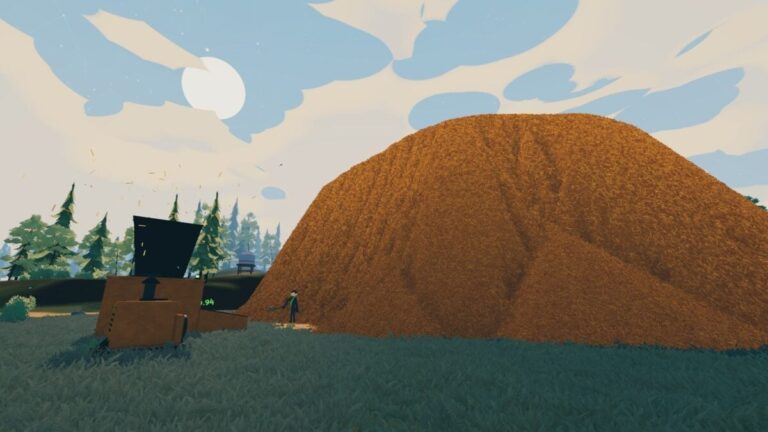
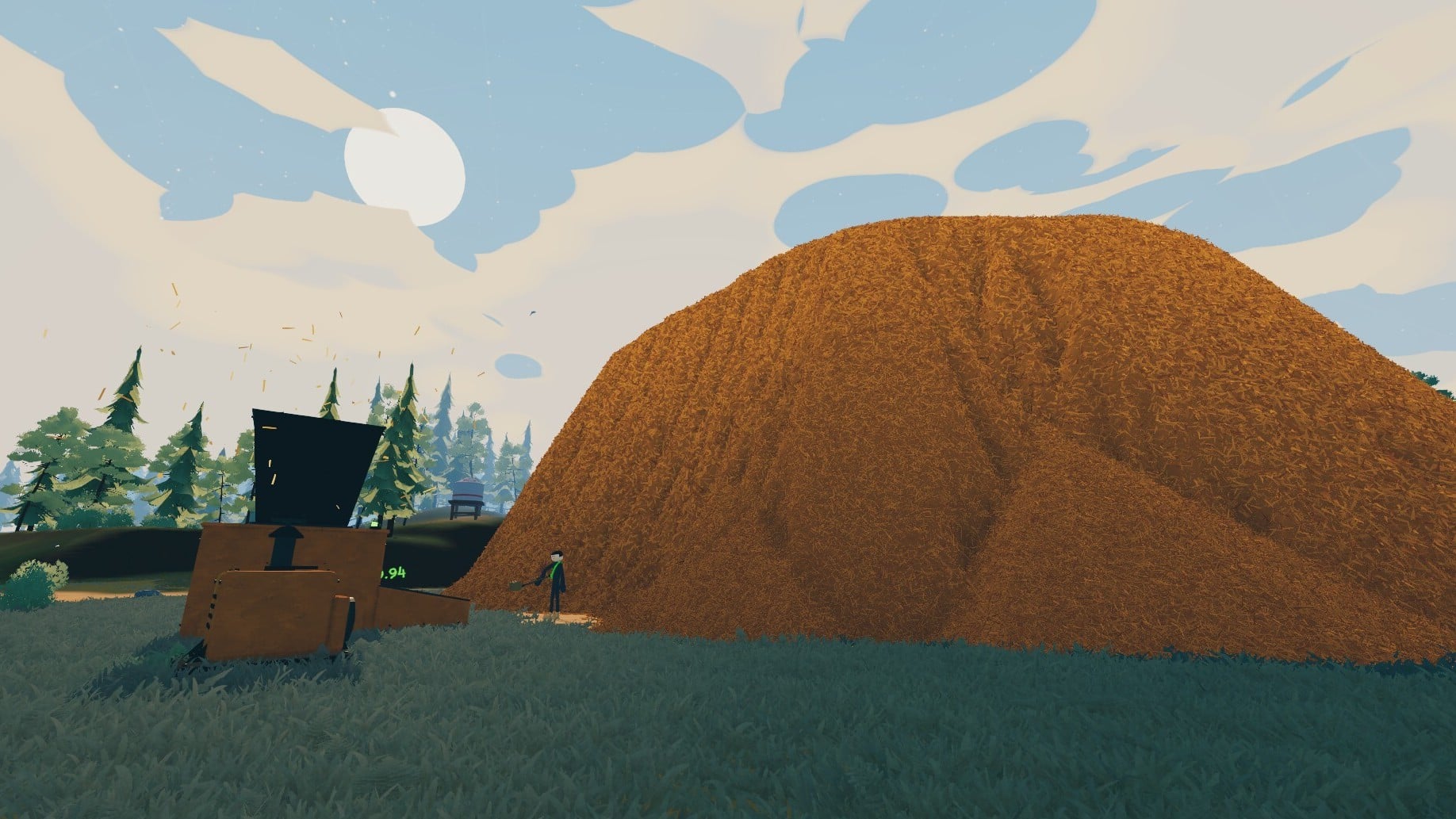
The situation unfolding around Needle In A Haystack clones has reached a level of absurdity that seems almost designed to confuse: one developer behind a clone of a viral game has now accused another developer of cloning their clone. The original game, Needle In A Haystack Simulator by Studio Bitdot, became a social media sensation in August. By October, as many as fourteen similar games crowded Steam’s storefront, each attempting to capitalize on the same simple premise.
The facts are these: NoGlyph released Needle In A Haystack on September 29 as their own take on the haystack concept. On October 16, Little Field Studios launched A Game About Needle In A Haystack. One day later, on October 17, NoGlyph posted evidence that Little Field Studios had copied substantial portions of their code directly.
The Discovery
When NoGlyph examined A Game About Needle In A Haystack’s files, they found 13 of their classes inside it bearing the exact same names. More than half of the functions in that section matched NoGlyph’s code exactly. The problems went deeper than simple structural similarity: NoGlyph’s own error messages remained in Little Field’s game word for word, including one that referenced a shader from NoGlyph’s project that doesn’t even exist in Little Field’s version.
NoGlyph’s lead developer, Jahvin, provided additional specificity in a Discord comment. Little Field’s game contained 39 same-named methods that were byte-for-byte identical to NoGlyph’s code. This level of exactness points to a specific workflow: decompiling NoGlyph’s closed-source game into readable source code, then copying that material wholesale into a new project, likely with AI assistance.
The Broader Pattern
What happened between NoGlyph and Little Field Studios is not an isolated incident. According to coverage by Kotaku, this reflects a larger pattern emerging in indie game development. Roblox creators cloned the upcoming indie game Escape the Walls within 24 hours of its developer publicly revealing it through a single video on X. The Roblox creator behind that clone was explicit about their method: according to GameSpark, they stated “Claude did everything for me; I just sat in my chair and watched.”
Drunken Goddess Reflux’s developers at Alliance Arts took a different approach. After observing these rapid cloning incidents, they made a difficult decision: they cancelled plans to release their upcoming demo on Steam. The reason was direct. Alliance Arts worried that “works imitating or replicating this game’s presentation and gameplay could be quickly produced using AI” if they released the demo before the full game launched.
Why This Matters for Indie Development
These incidents are not edge cases. They represent a systemic shift in how games can be copied and distributed. When Escape the Walls was cloned within 24 hours from a single video, and when Needle In A Haystack clones began appearing overnight after the original’s viral moment, the speed and ease of reproduction became clear to every indie developer watching.
The Technical Reality
What developers are describing—and what NoGlyph found in Little Field’s code—is Claude-assisted decompilation. This is a workflow where an AI tool like Claude takes a compiled, closed-source game and converts it into human-readable source code. Once that code exists, copying portions or the entire codebase into a new project becomes straightforward. The telltale signs are unmistakable: identical class names, byte-for-byte identical methods, and error messages that serve no purpose in the new game because they reference systems that don’t exist in the clone.
The Needle In A Haystack situation illustrates a particular irony. NoGlyph created their version in response to Studio Bitdot’s viral success. Little Field Studios then applied the same approach to NoGlyph. Each step down the chain removed a degree of separation from the original concept and potentially increased the likelihood of copying. The accusation against Little Field Studios suggests they didn’t develop their clone independently but instead took shortcuts by decompiling and repurposing existing code.
Indie Development Under Pressure
The Economic Reality
Unlike major AAA publishers with dedicated legal departments and substantial budgets, independent developers lack the resources to pursue legal action against every cloned version of their games that appears online. This economic reality creates a perverse incentive structure: rapid cloning with minimal effort becomes a viable business strategy when the original developer cannot afford to fight back.
Changing Development Practices
The industry response has been defensive. Fewer indie developers are releasing demos. Fewer early-access titles appear on platforms like Steam. Fewer trailers are shared publicly. These are not minor changes to development strategy; they represent a fundamental shift in how indie creators approach marketing and testing their work. Where once releasing a demo or sharing gameplay footage was standard practice for building community and gathering feedback, doing so now carries the risk of having your game replicated within days using AI tools.
Steam’s Clone Problem
The Needle In A Haystack Simulator phenomenon exposed how quickly derivative content can flood a platform once a concept gains traction. The game’s viral moment in August triggered an overnight flood of similarly titled games. Within weeks, at least fourteen versions existed on Steam. This is not necessarily copyright infringement in the traditional sense—many clones create original code that simply implements the same idea. But when code itself is copied, as NoGlyph alleges happened with Little Field’s version, the distinction between homage and theft collapses.
Steam’s storefront guidelines and enforcement mechanisms have not kept pace with this new threat. The platform does not currently prevent clones from launching. It does not mandate disclosure of AI assistance in development. The combination of these factors has created an environment where low-effort copying with AI assistance has minimal consequences.
What Developers Are Doing Now
For indie developers, the situation presents a genuine dilemma. Complete secrecy during development means losing the promotional advantage of early exposure and community feedback. Public development invites rapid cloning. Some studios will choose to absorb the financial and creative risk of cloning. Others, like Alliance Arts, will retreat from early releases entirely. A third group may double down on protections: using obfuscated code, legal agreements for anyone given access to builds, or simply waiting longer before public reveal to reduce the window for cloning before their own release.
The developers caught in the Needle In A Haystack ecosystem cannot afford prolonged legal battles. For them, the practical response is adaptation. If your game can be replicated in 24 hours using a single public video, and if AI tools can decompile closed-source games with increasing reliability, then the safest path forward is to avoid giving cloners anything to work with in the first place.
Frequently Asked Questions
How did Little Field Studios allegedly copy NoGlyph's code?
According to NoGlyph, Little Field Studios used AI decompilation to convert the closed-source game into readable code, then copied 39 byte-for-byte identical methods and 13 classes with matching names, even including error messages that reference systems not present in their game.
What other games have been cloned using AI?
Escape the Walls was cloned on Roblox within 24 hours using a single video of the game posted on X, with the creator stating "Claude did everything for me." Drunken Goddess Reflux's developers cancelled their Steam demo release specifically to prevent AI cloning before their full game launch.
Why don't indie developers pursue legal action against clones?
Indie developers lack the funding and legal resources that major AAA publishers have, making it impractical to pursue legal action against every cloned version of their games that appears online.
