

Key takeaways
- Penguin Colony's developers have blocked the game from sale in Israel as an explicit act of solidarity with Palestine through the BDS movement.
- The move represents the gaming industry's clearest position on the Israel-Palestine conflict achieved through measurable business action rather than rhetorical statements.
- Origame Digital embedded political values into both the game's content, through land acknowledgement and Lovecraft reclamation, and its distribution strategy.
- The decision raises questions about whether other studios will feel emboldened to exercise similar control over their games' geographic availability as a form of activism.
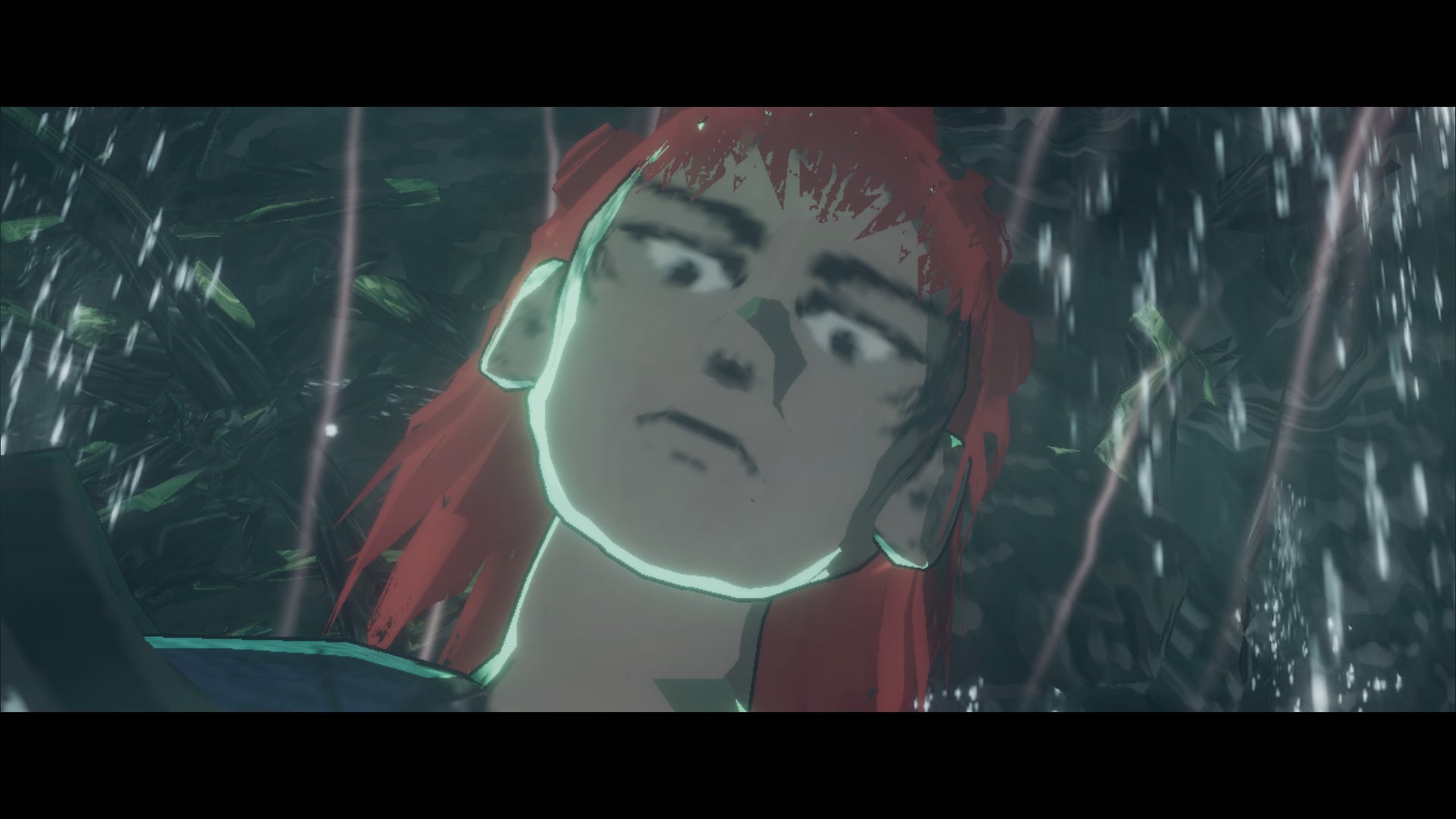
Penguin Colony, developed by Origame Digital, has become a focal point in a broader conversation about whether game developers have a responsibility to take explicit political stances. The game, which drew inspiration from H.P. Lovecraft’s At the Mountains of Madness through the documentary sensibility of March of the Penguins, took an action that forced the industry to confront an uncomfortable question: the developer requested that the game be made unavailable for purchase in Israel.
When a player based in Israel asked on the game’s Steam forum why it wasn’t available in their region, a publisher representative responded with clarity about the decision:
“While in general we seek to bring our games to as many potential players as possible, we believe strongly that developers have the right to control where their games are sold. In this case, the developer asked us to block sale in Israel. In the absence of more organized sanctions, this act is intended to demonstrate solidarity with Palestine. We fully support their decision.”
The Game’s Political and Creative Framework
Deconstructing Lovecraftian Colonial Overtones
Penguin Colony deconstructs the colonial framework embedded in Lovecraftian horror. According to Kotaku’s experience playing the game, it achieves this by repositioning the player outside conventional anthropological perspectives, effectively exhuming the genre’s problematic foundations rather than perpetuating them. This framing represents a deliberate choice about what stories to tell and how to tell them, a position that extends beyond gameplay into the broader context of the game’s availability and the studio’s values.
Embedding Values Beyond Narrative
Before players encounter narrative or mechanics, they confront an unqualified land acknowledgement from the developer. This statement appears within the game itself rather than in a supplementary document or social media post. According to Kotaku’s reflection on the experience, such placement creates a different impact than acknowledgements relegated to margins or disclaimers. A player reading this statement is forced to consider how their own values align with their actions, raising questions about where they live and where they spend their money.
How Penguin Colony Diverges from Industry Norms
Decades of Silence and Selective Activism
The gaming industry has faced persistent criticism for its silence on geopolitical conflict. According to Kotaku’s coverage, members of Geoff Keighley’s Future Class initiative, a now-defunct program focused on industry leadership, sent an open letter to the Game Awards requesting that Keighley address the Israel-Palestine conflict with the same directness he brought to the Ukraine war. The letter went unanswered. Developers of Big Walk cited the BDS movement as the explicit reason their game does not appear on Xbox. Yet most major studios have opted for public neutrality while making private donations or taking positions only in non-binding contexts.
Business Action Over Rhetorical Positioning
Penguin Colony differs in a clear way: Origame Digital paired a direct statement with a measurable business action. The developer did not issue a press release or social media statement that could be overlooked or compartmentalized. Instead, they requested removal from an entire geographic market. This represents, by most accounts, the clearest position the industry has taken on the subject through actual distribution decisions rather than rhetorical gestures.
The Stakes of Developer Agency and Platform Control
When Developers Control Distribution
The decision raises questions about how game developers perceive their role and their platforms. The publisher’s response makes clear that the developer actively requested the regional restriction and that the publisher supports it. This removes ambiguity about whether the position reflects careful company policy or represents an individual initiative being quietly accommodated. It also demonstrates that developers, even small, independent ones, can exercise meaningful control over where their work is sold.
Most game companies have historically weighed different considerations when facing similar decisions: concern about market impact, uncertainty about implications for international business partnerships, or a fundamental belief that game companies should remain neutral on geopolitical matters. Origame Digital arrived at a different conclusion.
Embedding Values Into Product and Distribution
What distinguishes Penguin Colony is that the developer’s values become inseparable from the product’s availability. A player in Israel cannot purchase or play this game. This creates a friction point that cannot be easily dismissed or compartmentalized. Unlike social media statements or interviews, which can be ignored or forgotten, the unavailability of the game serves as a constant reminder of the developer’s position every time someone in that region searches for it.
This approach suggests a different model for how games and politics intersect. Rather than keeping them separated—games as entertainment, politics as something discussed elsewhere—Origame Digital integrated them into both the content (Lovecraft reclamation, land acknowledgement) and the distribution (regional blocking). The integration makes the developer’s positioning impossible to miss or minimize.
Questions for the Industry Going Forward
As conversations around developer activism, corporate responsibility, and the role of games in society continue to evolve, Penguin Colony raises unresolved questions. Will platform holders like Steam continue to honor such requests from developers? Will other studios feel emboldened to make similar distribution decisions, or will this remain exceptional? How will audiences and critics respond to games where political or ethical positioning becomes inseparable from access to the product itself?
The example Penguin Colony sets illustrates that a small developer can exercise real control over their work’s reach and can pair this with explicit statements of motivation. Whether this becomes a template for developer activism or remains an isolated case depends on factors including the game’s commercial success, industry response, and whether other studios view such explicit positioning as a viable business and creative choice.
Source: Kotaku
Frequently Asked Questions
Why did Penguin Colony's developer block the game from sale in Israel?
The developer requested the regional restriction to demonstrate solidarity with Palestine through the BDS movement, in the absence of more organized sanctions, according to the publisher's statement posted on Steam.
How is Penguin Colony's approach different from other developer activism?
Rather than social media statements, Origame Digital exercised control over their game's distribution by removing it from an entire market, making this the gaming industry's clearest position on the conflict through measurable business action.
What is Penguin Colony about?
The game draws inspiration from H.P. Lovecraft's At the Mountains of Madness and March of the Penguins, and aims to deconstruct the colonial overtones in Lovecraftian horror by repositioning the player outside anthropological perspectives.
