
Key takeaways
- Despite the backlash, professional reviewers have praised College Football 27’s technical execution and design depth.
- The Steam “Mostly Negative” rating within 24 hours represents a significant moment for EA Sports, signaling that even a technically excellent game cannot overcome perceived predatory monetization in single-player content.
- EA’s July 9 blog post will be the publisher’s first official public statement on the controversy since early access exposed the monetization structure.
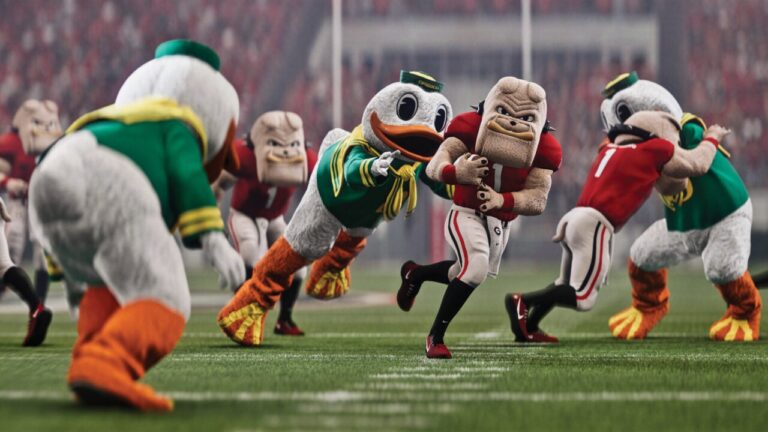
EA Sports College Football 27 earned a “Mostly Negative” rating on Steam within 24 hours of its July 9, 2026 launch, marking a rare rapid backlash for a major EA sports title despite critical praise for its gameplay quality. The third entry in the rebooted franchise—and the first to debut on PC across Steam, Epic, and EA App—faced immediate player backlash over microtransactions integrated into single-player modes including Dynasty and Road to Glory. EA confirmed it has no plans to remove these monetization features at launch, instead stating it will “continue to monitor community feedback.”
Single-Player Progression Now Locked Behind Substantial Paywalls
Players must spend approximately $50 to upgrade a Road to Glory character from a rating of 50 to 80, while maxing out coaches in Dynasty Mode costs around $100 at the start of a career—expenses that exceed the game’s $70 base price. EA removed the free “Coach XP Speed” acceleration option that existed in prior years, forcing players to either pay for progression boosts or accept significantly slower advancement through organic gameplay. These costs represent the first time the franchise has introduced microtransactions into offline, single-player modes since its 2024 return.
Content creator Bordeaux exposed the feature during early access, which began July 2 for MVP+ members and July 6 for Deluxe Edition buyers, triggering immediate player threats of boycotts. EA responded to influencers and content creators days before the official launch, acknowledging the microtransactions but declining to remove them. The publisher announced plans for an official blog post on July 9, 2026, to address the controversy further.
Critical Acclaim Undermined by Monetization Strategy
Despite the backlash, professional reviewers have praised College Football 27’s technical execution and design depth. Forbes awarded the game a 9.25 out of 10, calling it the “deepest and best-playing entry” in the rebooted series with stunning visuals and top-tier gameplay, though noting that microtransactions in single-player modes create a significant consumer dilemma. SB Nation described it as the “best-playing, best-looking, and best-sounding entry” in the franchise and “the best football game since NFL 2K5,” yet criticized it as “marred by microtransactions” that make players feel like they are “getting robbed of advancing organically.”
This tension between excellence and monetization echoes criticisms leveled at NBA 2K’s progression systems, though with a critical difference: NBA 2K confines microtransactions primarily to multiplayer modes like MyTeam, whereas College Football 27 integrates them into offline, single-player experiences. Players and critics view this approach as unprecedented and predatory for a sports franchise, fundamentally altering the single-player experience that has historically been free from such friction.
Player Backlash Emerges as Industry Flashpoint
The Steam “Mostly Negative” rating within 24 hours represents a significant moment for EA Sports, signaling that even a technically excellent game cannot overcome perceived predatory monetization in single-player content. The backlash intensified as early access users discovered the microtransaction features had not been prominently disclosed before launch, with many players feeling the monetization was “sneaked” into modes traditionally designed for organic progression and player agency.
EA’s decision to stand firm on the monetization at launch suggests the publisher views these revenue streams as integral to the game’s financial model. The company’s stated willingness to “monitor community feedback” leaves open the possibility of future adjustments, but the initial refusal to remove features at launch indicates no immediate policy reversal is forthcoming. This stance may face continued pressure as the game’s first week of player feedback accumulates across social media and gaming forums.
A Franchise First Marks Significant Design Philosophy Shift
College Football 27’s integration of microtransactions into Dynasty and Road to Glory modes represents a historic departure for the series, which has operated since its 2024 return with organic progression systems as a core design pillar. The franchise previously distinguished itself from competitors by offering robust single-player experiences free from monetization friction, positioning these modes as alternatives to multiplayer-focused progression systems found in rival titles.
This marks the 24th title overall in the NCAA Football and EA Sports College Football lineage, with the 2026 release being the first to simultaneously debut across PlayStation 5, Xbox Series X|S, and PC—developed by EA Orlando and published by EA Sports.
What Comes Next for College Football 27
EA’s July 9 blog post will be the publisher’s first official public statement on the controversy since early access exposed the monetization structure. Player reception over the coming weeks will determine whether the company faces sustained pressure to modify or remove the features, with the Steam rating serving as a visible barometer of community sentiment that affects visibility and discoverability on the platform.
The game’s PC debut and expanded platform availability mean this controversy will reach a broader audience than previous entries, with implications for how EA Sports approaches monetization across its entire portfolio. Whether College Football 27 becomes a cautionary tale about single-player monetization or a successful proof-of-concept for integrated progression paywalls will shape industry practices for years to come.
