
Key takeaways
- Rep. Ritchie Torres introduced the Power To The Players Act to establish legal protections for digital game ownership rights enforced by the Federal Trade Commission.
- The legislation would guarantee consumers the right to own, play, and transfer their digital game purchases permanently, converting them from rentals into genuine property.
- Implementation challenges remain unsolved, particularly regarding online multiplayer games and digital resale markets, with blockchain technology proposed as one potential solution.
- Sony maintains absolute control over its digital ecosystem, while Microsoft's disc-to-digital initiative demonstrates that greater consumer flexibility is technically achievable.
The growing tension between digital convenience and consumer rights has reached a critical juncture in the gaming industry. While digital libraries offer undeniable advantages—seamless access, no physical clutter, no lost or broken discs—they come with a fundamental catch: gamers do not actually own what they buy. When a publisher decides to shut down servers or a platform holder removes a title from storefronts, those purchases vanish. This arrangement differs sharply from the physical media era, where ownership meant actual ownership.
The distinction matters profoundly. A digital game that disappears the moment a company pulls the plug is less a purchase and more a rental wearing a purchase’s clothing. Companies maintain absolute control over compatibility, availability, and longevity. When PlayStation servers eventually shut down, decades of digital purchases could become unplayable. Families who save up for these games deserve certainty that their investment will not evaporate based on corporate decisions.
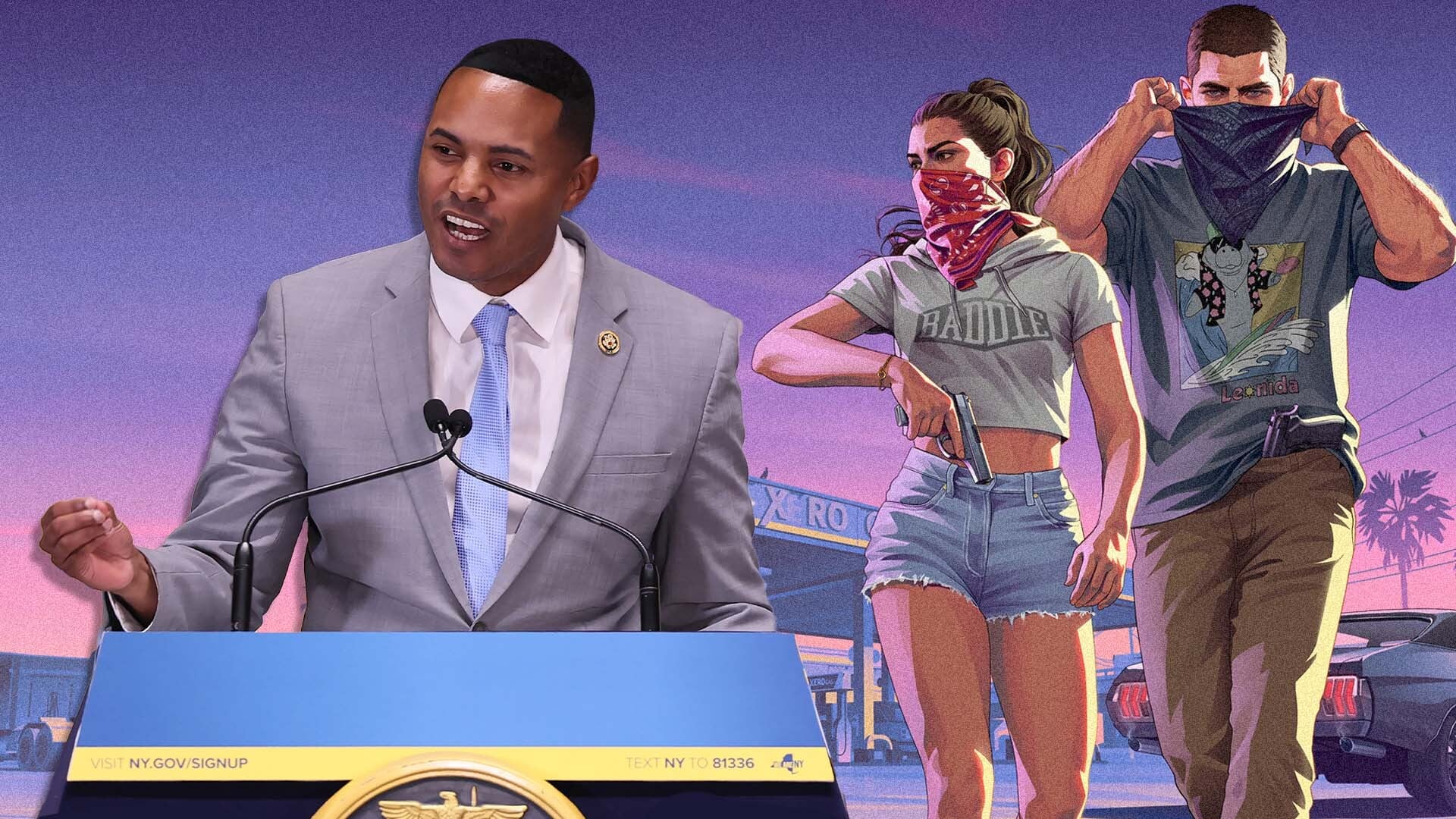
Rep. Ritchie Torres from New York has proposed a legislative response. According to reporting from Kotaku, who broke the story earlier this week, Torres announced the Power To The Players Act, aimed at fundamentally reframing how digital game ownership operates in the United States.
The Legislative Proposal
Torres’ bill seeks to establish three core consumer protections through Federal Trade Commission enforcement. The framework rests on three pillars: the right to own, the right to play, and the right to transfer games purchased from digital storefronts.
The representative frames the legislation as a restoration to the norm rather than a radical shift. For most of gaming history, ownership meant ownership. Players bought cartridges or discs, and those physical media belonged to them to keep, sell, or give away. The digital transition has eliminated this baseline consumer protection without meaningful replacement.
Torres characterizes current digital transactions with precision: they are rentals masquerading as sales. This distinction carries weight beyond semantics. It reflects a material difference in what consumers actually receive—temporary access rather than permanent property.
What The Act Would Guarantee
The proposed legislation establishes three specific rights that publishers and platform holders would need to accommodate:
- Consumers gain the right to own their digital game purchases outright
- Players retain the right to continue playing games after the publisher has moved on or platform support ends
- Users obtain the right to transfer games to other people
Each provision addresses a current vulnerability in digital gaming. The ownership right prevents companies from claiming licenses are non-transferable property. The right to play ensures games remain functional even after commercial support terminates. The transfer right enables gifting to family members or resale to other players—something Steam’s terms of service explicitly prohibit today.
Technical Questions Remain
While the legislative framework is clear, implementation raises thorny questions that lawmakers and industry participants have not yet resolved.
Online Multiplayer Architecture
Online multiplayer-only games present the most obvious challenge. Should all games be required to support peer-to-peer connections allowing third parties to host servers after the publisher abandons support, or would exceptions exist for titles designed around centralized multiplayer infrastructure?
Digital Resale and Trading
The resale question introduces different complications. Some observers have proposed blockchain technology as a solution—a distributed database tracking unique digital copies that players could resell through private marketplaces. This approach would theoretically allow the secondary digital market that physical games have always enabled.
Industry Responses and Current Practice
Sony, facing criticism over its decision to phase out physical PlayStation 5 discs entirely, would likely resist regulations mandating resale capabilities. The company benefits enormously from its complete control over digital transactions and the elimination of used game markets. Losing that control would represent a fundamental restructuring of Sony’s business model for game distribution.
Microsoft’s Contrasting Approach
Microsoft offers a contrasting example. The company’s disc-to-digital initiative demonstrates that flexibility with game purchases is technically feasible. Players can convert physical games to digital equivalents, giving consumers meaningful choice in how they engage with their libraries.
The broader point remains clear: platforms should not retain unilateral power to destroy, render useless, or revoke access to digital collections where consumers have invested significant time and money.
Personal Ownership and Account Control
Current policy prevents even basic consumer actions that physical ownership enables. Steam users cannot gift their accounts to their children despite spending years building substantial digital libraries. This restriction exists because Steam’s terms treat accounts as non-transferable licenses rather than property. The Power To The Players Act would presumably enable such transfers, though the specific mechanisms remain to be worked out.
The Broader Consumer Rights Movement
This legislative effort reflects growing consumer frustration with digital-only futures where corporations maintain absolute control. Gaming is not unique in this dynamic. E-books purchased through Amazon can be removed from readers. Movies and music purchased through digital stores can become inaccessible if services shutter or licensing expires. Games simply make the problem more acute because of their interactive nature and the personal investment players develop. Torres’ proposal codifies principles that consumer advocates have articulated for years: digital purchases should offer genuine ownership protections, not the illusion of ownership masking rental agreements.
Source: Kotaku
Frequently Asked Questions
What is the Power To The Players Act?
Rep. Ritchie Torres proposed legislation that would establish three core consumer protections enforced by the Federal Trade Commission: the right to own digital games, the right to continue playing them after publisher support ends, and the right to transfer games to other people.
How would this change current digital game purchases?
Currently, digital games are effectively rentals that can be removed when companies shut down servers or pull titles from storefronts. The legislation would convert these into genuine purchases that consumers permanently own, can continue playing indefinitely, and can transfer or gift to others.
What are the biggest challenges to implementing this law?
The main challenges involve online multiplayer-only games, which would need to support peer-to-peer connections for third parties to host servers after the publisher moves on, and digital resale markets, which might require blockchain technology or new infrastructure to track ownership of digital copies.
