
Key takeaways
- Claude Opus 5.5 can decompile PS2 and PS3 games in hours instead of months, enabling rapid creation of browser-based ports of Halo, GTA: Vice City, and other classics.
- According to Kotaku's testing, these browser ports run surprisingly well, with The Simpsons: Hit and Run achieving 240fps and some Halo implementations featuring working online multiplayer.
- Publishers face an IP protection challenge with no established countermeasures, as new ports reproduce faster than legal teams can remove them.
- Modern browsers consume 1,200+ megabytes of RAM compared to the PS3's 512 megabytes, allowing old games to run with substantial headroom.
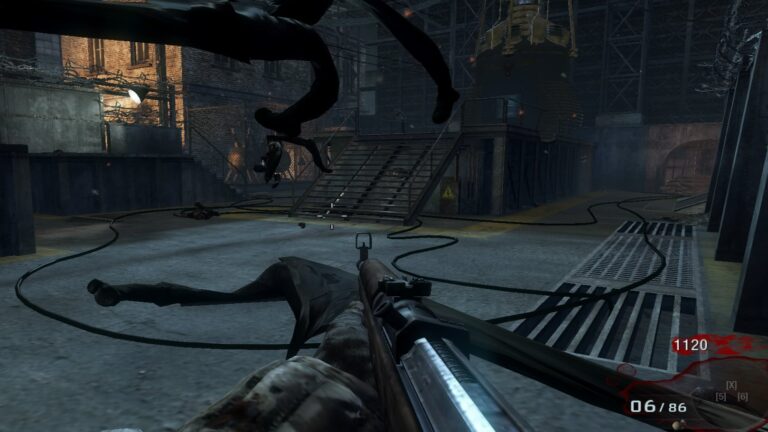
The past several weeks have seen an unexpected flood of browser-based implementations of console games from the PlayStation 2 and PlayStation 3 eras. Playable versions of Halo: Combat Evolved, Grand Theft Auto: Vice City, The Simpsons: Hit and Run, Call of Duty: Black Ops, Call of Duty: Modern Warfare 2, and Skate 3 are now accessible through standard web browsers, courtesy of AI-assisted code decompilation powered by Claude Opus 5.5. The technical accomplishment itself is remarkable—what makes it genuinely concerning to the gaming industry is that these implementations actually work well.
How Decompilation Moved From Months To Hours
Claude Opus 5.5 represents a significant leap in AI capability specifically around reverse engineering compiled code. Where recreating a game’s source from its compiled binary once required months of specialized technical work, the latest version of Claude can complete comparable tasks in days or even hours. This capability shift has triggered a cascade of related projects: Full implementations of Fallout and Call of Duty: Modern Warfare ports, Super Mario 64 reconstructions nested within Elden Ring mods, and numerous other experimental translations of classic games across platforms.
The speed advantage is the central factor enabling this wave of ports. The technical barrier that once protected intellectual property through sheer labor intensity no longer functions at the same magnitude. The work that would have screened out casual projects through time investment alone now sits within reach of anyone with patience and a running instance of Claude Opus 5.5.
These Ports Work Surprisingly Well
Performance Beyond Original Hardware
According to Kotaku’s testing of multiple browser implementations, the performance quality of these ports ranges from functional to genuinely impressive. The Simpsons: Hit and Run operates with sufficient stability to achieve 240 frames per second, a capability absent from the original console releases. Multiple different browser-based versions of Halo: Combat Evolved were tested, with at least one featuring working online multiplayer servers and low-latency connections that functioned reliably throughout testing sessions.
Widespread Stability Across Titles
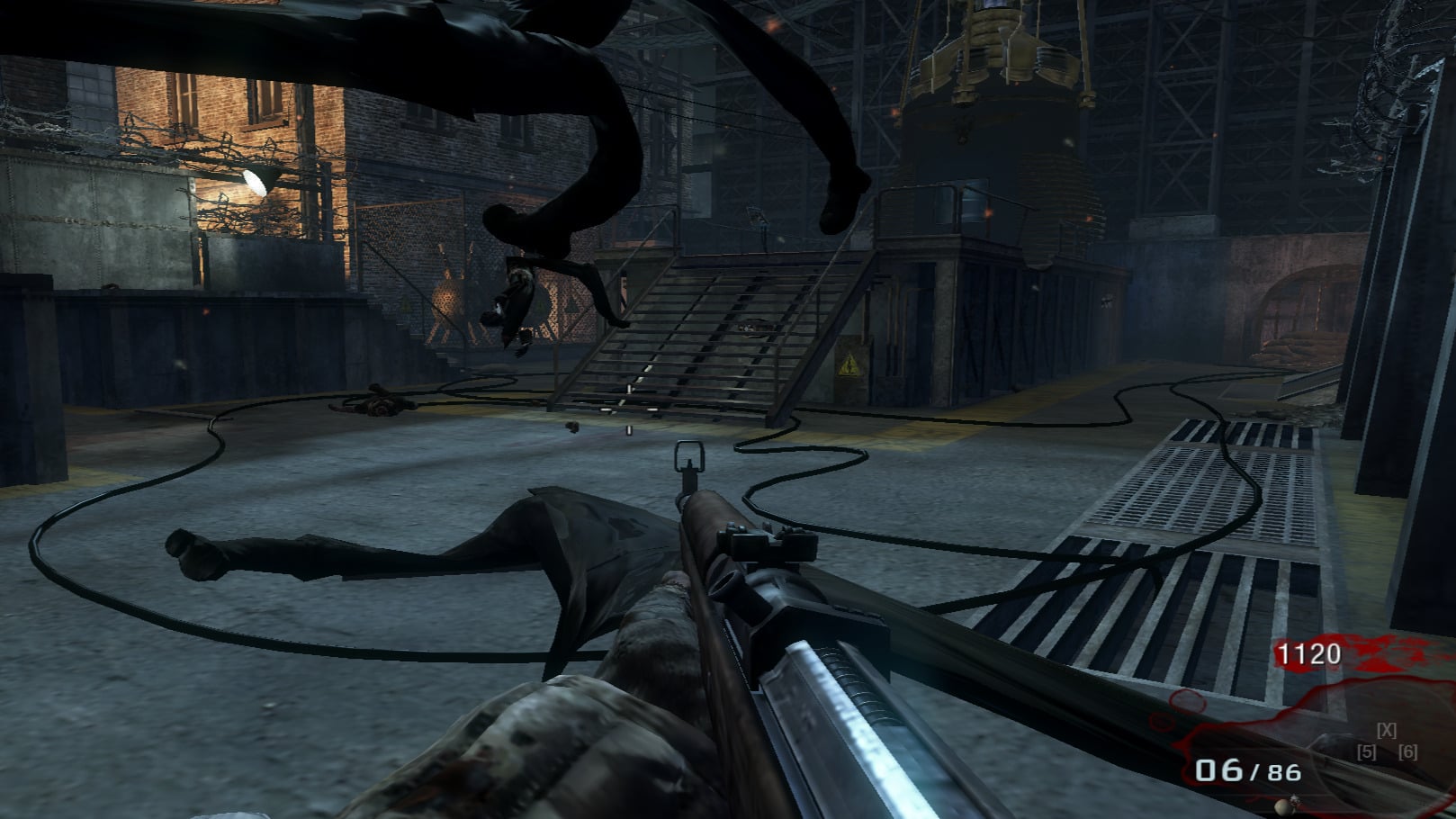
The catalog of tested working ports extends across numerous titles: Call of Duty: Black Ops with its Zombies mode fully operational, Skate 3, and Modern Warfare 2 all demonstrated stable gameplay without major technical failures. Kotaku’s assessment described multiple implementations as borderline flawless—a performance bar far higher than most observers would have anticipated from browser-based conversions of games originally designed for console hardware.
Why Modern Browsers Can Handle Console Games
The RAM Gap Across Hardware Generations
The technical foundation underpinning these successful ports connects to a simple but consequential gap in computing resources. PlayStation 3 hardware operated with approximately 512 megabytes of system RAM—a constraint that shaped every design decision in games developed for that platform. In contrast, web browsers running on contemporary computers routinely consume 1,200 megabytes or more while performing basic tasks or remaining idle.
This substantial difference in available memory means games optimized around tight resource constraints now operate with significant headroom when translated to browser environments. The port implementations themselves face no meaningful limitations related to memory availability. They run within computing environments far more generous than their source materials were originally designed for, removing what could have been a genuine technical bottleneck. Games released during the PS2 and PS3 eras form the primary target for browser port efforts precisely because their technical specifications—developed for hardware now decades old—sit comfortably within modern browser capabilities. More recent console generations would present substantially greater challenges due to architectural complexity and specialized hardware features.
The Reproduction Problem Outpaces Legal Action
The genuine disruption here is not tied to the quality of any individual port, but to the ease and speed with which new versions can be generated and distributed. Cease-and-desist letters can remove current implementations from specific hosts. Legal action can force takedowns across platforms. But the underlying capability remains entirely intact and ready for reproduction.
Because these browser ports generate quickly without requiring specialized expertise beyond running an overnight decompilation task, new implementations can replace removed versions faster than legal teams can process enforcement actions. Publishers confront not a discrete problem solvable through removal, but an ongoing challenge where each taken-down port might spawn multiple successors within short timeframes. The parallel to DVD-era digital piracy is instructive but ultimately incomplete—that challenge eventually collapsed under focused infrastructure enforcement. Browser ports operate without comparable friction points or enforcement vulnerabilities.
Intellectual Property Protection Faces Unprecedented Scale
Video game publishers and their legal teams now face a category of challenge without clear historical precedent or established countermeasures. The combination of advanced decompilation automation and frictionless distribution networks creates an enforcement problem that does not respond to conventional strategies. Technical protection measures, legal threats, and traditional takedown procedures have all proven ineffective against reproduction occurring faster than removal can address it.
Take-Two Interactive, Microsoft, and other major publishers whose intellectual property appears in the most popular ports will almost certainly accelerate legal activity in the coming months. But these responses represent reactions to a problem rather than solutions that address the underlying technological capability. The outcome—whether regulatory intervention, technical innovation, or industry adaptation—remains entirely undefined.
Source: Kotaku
Frequently Asked Questions
What is Claude Opus 5.5 and how does it enable these game browser ports?
Claude Opus 5.5 is an AI capable of reverse-engineering compiled game code into reconstructed source code in hours instead of months. This speed makes creating browser ports feasible for what were previously multi-month projects.
How well do these browser ports actually perform according to Kotaku?
Kotaku found that The Simpsons: Hit and Run runs at 240 frames per second, and some Halo: Combat Evolved ports feature working online multiplayer with low latency. Most tested implementations performed borderline flawlessly.
Why can modern web browsers run games built for PlayStation 3?
PlayStation 3 hardware operated with 512 megabytes of RAM; modern browsers use 1,200+ megabytes while idle. This massive resource gap means old games run with substantial headroom in browser environments.
