
Key takeaways
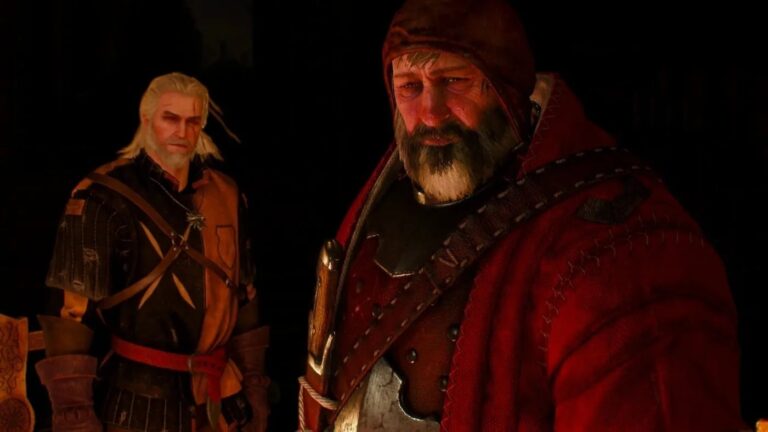
- Paweł Sasko told Kotaku he would restructure the four-hour Bloody Baron quest to improve pacing and remove unnecessary narrative turns.
- CD Projekt Red refined its quest design approach through expansion work, adopting a 40-minute beat structure with intentional breathing room between intense sequences.
- The quest remains a celebrated achievement in narrative design despite Sasko's critical assessment of how the execution could have been improved.
The Witcher 3: Wild Hunt emerged in 2015 as a watershed moment for RPG design, particularly in how it approached narrative storytelling within expansive open-world environments. The game pushed boundaries that many competitors had yet to test, creating a benchmark against which subsequent narrative-driven RPGs would be measured. Among its numerous standout moments, the Bloody Baron questline distinguished itself as one of the game’s most talked-about and analyzed sequences, a moment that player communities continue to discuss and analyze more than a decade later. Concluding the first major act of the game’s main campaign, this quest delivered emotional weight and narrative complexity that resonated far beyond the game’s release window.
A Developer’s Candid Reflection on Execution
At Gamescom, the quest’s designer Paweł Sasko sat down with Kotaku to discuss his work on The Witcher 3 and his thoughts on how his approach to quest design has evolved. His openness about the Bloody Baron’s construction revealed a thoughtful designer willing to criticize his own past work with the benefit of experience.
“In the Bloody Baron quest, I made so many mistakes,” Sasko told Kotaku directly. The designer then specified the nature of these mistakes, pointing to a fundamental issue with execution rather than concept. “The way it was built, it’s almost four hours long when you play it. The quest is good on a narrative layer, but I could have told that story better with better pacing.”
This assessment from the creator himself offers a rare perspective on the gap between ambition and execution. The Bloody Baron questline remained broadly celebrated by players and critics alike, yet its architect recognized areas where the design could have served the story more effectively.
Unpacking the Bloody Baron’s Narrative Design
The Quest’s Setup and Character Hook
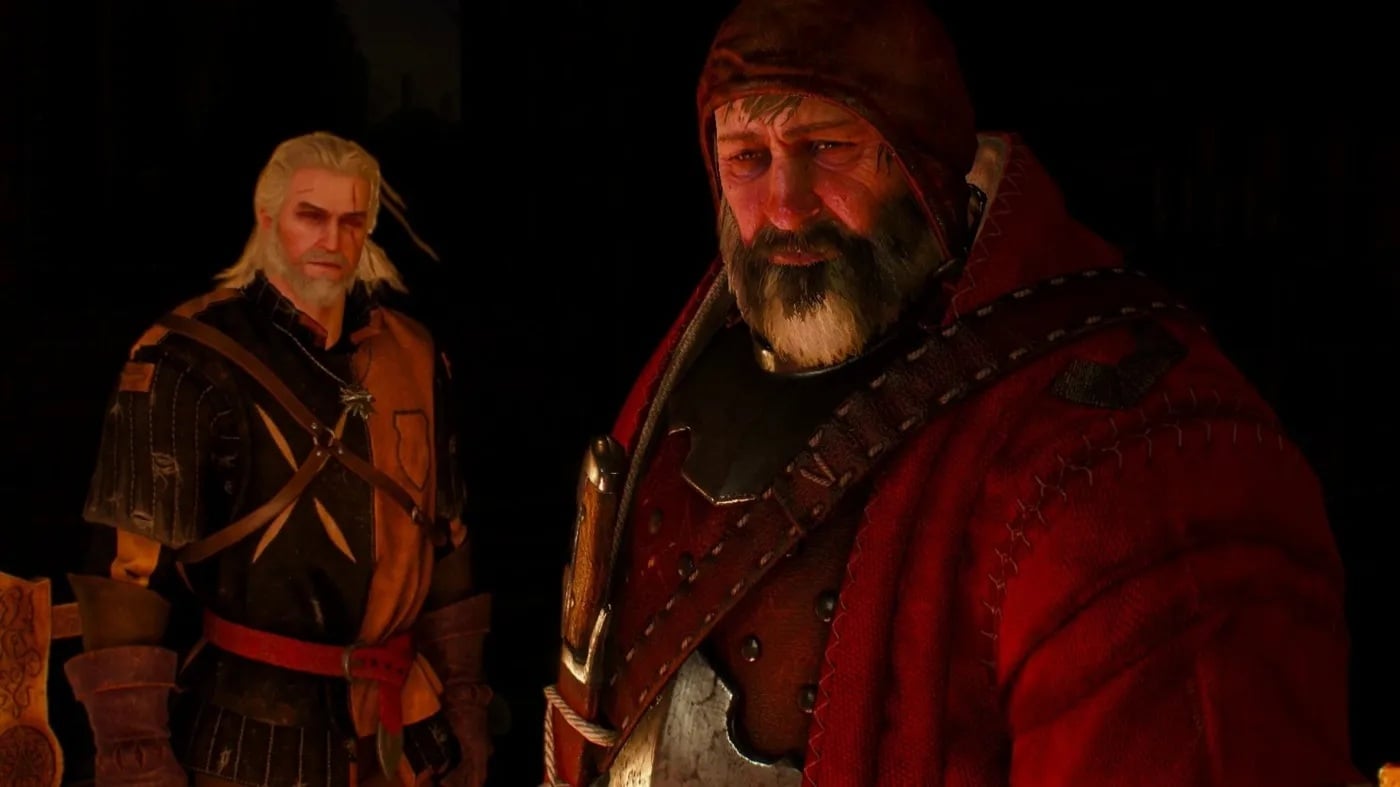
The Bloody Baron sequence situates the player in a specific investigative mission. Geralt seeks information about Ciri, his adoptive daughter who is training as a witcher. The titular Baron, a local authority figure, possesses knowledge Geralt requires but refuses to share it freely. Instead, he leverages this information as currency, demanding that Geralt locate his own missing wife and daughter before he will cooperate.
This transactional foundation establishes the surface-level narrative engine that propels players through the quest’s opening hours, creating an apparent straightforward rescue mission framing that The Witcher’s narrative tradition immediately complicates.
The Tragedy Beneath the Surface
The Bloody Baron questline operates on multiple narrative layers, with each revelation deepening the emotional stakes and moral ambiguity of the situation. The Baron emerges as a man shaped by decades of warfare and violence, an alcoholic whose past decisions created the very crisis that now unfolds. During a particularly severe drunken rage, he physically assaulted his wife with such force that she suffered a miscarriage.
This central tragedy forms the quest’s emotional core. Players encounter the consequence of this violence when they confront a Botchling—the transformed spirit of the unborn child—while the Baron confesses his sins and actions to Geralt. The moment combines combat, dialogue, and moral weight into a sequence designed to affect the player emotionally while advancing the narrative.
The Problem of Narrative Excess
Sasko identified a structural issue that he believes undermined the quest’s potential effectiveness: excessive narrative complexity. “There are probably two or three more twists, turns, and detours than it needs,” he explained to Kotaku. The extended runtime encompasses multiple narrative directions that, while individually crafted with care, collectively strain the player’s attention and emotional investment. Each additional turn delays resolution and may dilute the impact of the core tragedy at the quest’s heart.
CD Projekt Red’s Refined Design Philosophy
The Development of Structured Pacing
In the years following The Witcher 3’s release, CD Projekt Red continued developing its approach to quest design through work on expansions and other projects. The studio’s experience crafting expansions for both The Witcher 3 and Cyberpunk 2077 yielded lessons that shaped a more refined methodology. Sasko described this evolution: “The way we learned to do it on expansions for both The Witcher 3 and Cyberpunk is structuring gameplay into focused beats of around 40 minutes of intense, thematic gameplay and story,” he said. “After that, we give the player a breather where the world opens back up to explore.”
This approach prioritizes sustainable engagement by alternating between concentrated narrative and gameplay intensity and moments of relief. The rhythm allows players to process emotional beats and digest story developments while maintaining forward momentum through optional exploration.
Knowing When to Break the Rules
The studio’s refined system includes intentional exceptions for specific narrative moments. Sasko pointed to the “Somewhat Damaged” quest in Cyberpunk’s Phantom Liberty expansion as an example of when the standard pacing formula should be abandoned. In this sequence, players find themselves trapped in a bunker alongside a monster threat, unable to escape the immediate pressure. “In those cases, we consciously don’t let you put the controller down because we want you to feel exhausted by the situation,” Sasko explained.
Quest finales and similarly climactic moments justify departing from the standard pacing structure, allowing designers to maintain pressure when narrative context demands it. This nuanced approach treats the 40-minute beat system as a guideline rather than an absolute rule.
The Bloody Baron’s Enduring Impact
Despite Sasko’s critiques of its execution, the Bloody Baron questline remains a landmark achievement in video game narrative design. Eleven years have elapsed since The Witcher 3’s release, and the gaming industry has continued evolving its approaches to storytelling. The quest occupies a unique position: celebrated by players and industry observers, yet recognized by its own creator as containing design decisions he would approach differently with current knowledge.
This gap between external perception and the creator’s own assessment speaks to the difficulty of quest design at this scale and emotional complexity. The Bloody Baron succeeded in its aims while simultaneously demonstrating areas where refinement could have strengthened the whole.
Looking Ahead
The upcoming DLC titled Songs of the Past will provide an opportunity to observe how CD Projekt Red applies its evolved design philosophy to new content. With 11 years of additional experience and the design lessons drawn from expansion work and Cyberpunk’s development, the studio’s capacity for creating memorable quest experiences has demonstrably increased.
Frequently Asked Questions
How long does the Bloody Baron quest take to complete?
According to designer Paweł Sasko, the Bloody Baron quest takes approximately four hours to play through.
What structural issues does Sasko identify with the Bloody Baron quest?
Sasko states the quest contains two or three more twists, turns, and detours than necessary, which affects pacing and emotional impact.
How did CD Projekt Red's approach to quest design change after The Witcher 3?
Through expansion work on both The Witcher 3 and Cyberpunk 2077, the studio developed a system of 40-minute focused narrative beats followed by open-world exploration, with intentional exceptions for climactic moments.
