
Key takeaways
- Hideki Kamiya, original Resident Evil 2 director, criticized modern Resident Evil games for being excessively horrific compared to earlier entries that relied on atmosphere.
- Modern rendering technology enables photorealistic monster design that Kamiya argues surpasses what horror needs to effectively scare players.
- Capcom developers may have become desensitized to the horror they create through prolonged exposure during development cycles.
- Kamiya proposed adding a non-horror mode similar to Grounded's arachnophobia feature to make modern Resident Evil games accessible to those uncomfortable with horror.
Hideki Kamiya, the director behind the original Resident Evil 2, has delivered a candid assessment of the franchise’s current direction in an interview with VGC: Capcom has pushed modern Resident Evil games into horror territory that has become uncomfortably explicit. The critique carries particular weight coming from someone instrumental in establishing the series’ foundational design, even as Kamiya acknowledges a paradox central to his career—he has never genuinely enjoyed horror content.
“I don’t like horror, and I don’t like scary things. I’m not able to make it through scary movies, and that was even the case back in the day,” Kamiya revealed. This personal aversion to horror, maintained consistently throughout his professional life, has shaped how the original Resident Evil 2 approached dread and psychological unease. Despite directing a game that would become foundational to survival horror as a genre, Kamiya’s own distaste for horror itself influenced creative decisions that would ultimately define an era of game design.
How Resident Evil’s Horror Philosophy Transformed
From Suggestion to Explicit Realism
The Resident Evil games Kamiya worked on operated from a fundamentally different creative philosophy than their modern successors. These earlier titles generated fear primarily through environmental storytelling, sound design, and narrative isolation rather than through the detailed visual grotesqueness of enemies. Monsters functioned as threats within the game world, certainly, but the source of horror came largely from setting, atmosphere, and psychological tension rather than from the meticulous, disturbing appearance of creatures themselves.
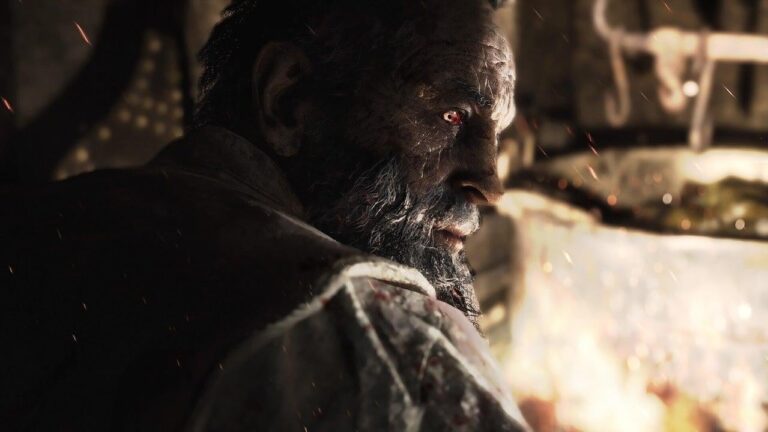
This approach changed as game technology advanced. Modern Resident Evil entries leverage advanced rendering systems to present monsters with biological detail that grounds them in an unsettling semblance of reality. This shift represents far more than a simple graphical upgrade—it marks a fundamental change in the franchise’s entire philosophy toward delivering horror. Where earlier games relied on implication, atmosphere, and players’ imaginations, contemporary entries pursue horror through explicit, unavoidable visual grotesqueness that leaves nothing to interpretation.
The Technological Enablement of Nightmare Fuel
Kamiya articulated the scope of this technological shift with stark clarity. “The amount of crazy, horrifying things that people are able to put on the screen is absolutely insane,” he said. Resident Evil 9 exemplifies this philosophy entirely, with creature designs crafted with such meticulous biological detail that they achieve what Kamiya characterized as genuinely sickening to observe. This represents the logical endpoint of applying technological progress specifically toward making horror as viscerally disturbing and detailed as possible.
The comparison extends beyond survival horror. The visual violence possible in titles like Grand Theft Auto VI demonstrates how modern technology enables creators to depict brutality with uncomfortable graphical detail. The question Kamiya raises implicitly is whether this capability alone justifies its constant application, or whether restraint might sometimes serve horror more effectively than explicit depiction.
The Developer Desensitization Problem
Creating horror games establishes an unusual psychological dynamic between developers and audiences. The artists, designers, programmers, and animators building these experiences spend months or years staring at grotesque creature models, refining their movements, optimizing their textures, testing them repeatedly in various lighting conditions. What eventually emerges as profoundly disturbing to a player encountering these creatures for the first time becomes routine—merely the substance of daily work—to the people who created them.
Kamiya identified this disparity explicitly: “I think anybody who’s on the Resident Evil teams at Capcom, at this point, they must all be completely numb to how scary the thing they’re making is.” The developers’ repeated exposure to source material creates an unconscious calibration problem. What feels appropriately scary in a development environment, viewed thousands of times across production cycles, may prove overwhelming or excessively grotesque to audiences encountering these designs for the first time.
Accessibility Precedent and Potential Solutions
Grounded’s Arachnophobia Mode as a Template
The video game industry has already established that horror experiences can incorporate comfort options without sacrificing core design or artistic vision. Grounded, an Xbox game centered around survival among giant spiders and insects, implemented an arachnophobia mode that significantly reduces the visual threat posed by arachnids while preserving all gameplay systems and progression mechanics. Players can complete the entire experience without confronting imagery specifically designed to unsettle those with arachnid-related phobias.
Kamiya has publicly expressed hope that Resident Evil Requiem might incorporate a comparable feature. “I legitimately wished that would include some kind of non-horror mode for people like me,” he stated. Such a feature would theoretically allow him—a creator whose work helped establish modern horror gaming—to actually experience and play the modern games he inspired.
The practical application extends beyond Kamiya’s personal situation. Horror franchises attract audiences beyond genre enthusiasts: players primarily interested in narrative and mechanics who find horror elements a barrier, industry professionals who must analyze these games professionally, and developers like Kamiya whose early work shaped the genre despite their personal discomfort with it. Accessibility features that preserve core gameplay while reducing psychological intensity could meaningfully expand these games’ potential audience without compromising artistic vision.
Frequently Asked Questions
Why is Hideki Kamiya critical of modern Resident Evil games?
Kamiya argues that modern Resident Evil games rely excessively on photorealistic monster design enabled by technological advancement, departing from earlier entries that generated fear through atmosphere and psychological tension rather than explicit visuals.
What has Kamiya personally stated about horror content?
Despite directing the original Resident Evil 2, Kamiya dislikes horror and cannot sit through scary movies, a trait he maintained even during his early career in game development.
What accessibility solution does Kamiya suggest?
He proposed implementing a non-horror mode similar to the arachnophobia mode in Grounded, which would reduce psychological intensity while preserving core gameplay, potentially allowing him to experience Resident Evil Requiem.
