
Key takeaways
- Tokyo's 19.7-meter Unicorn Gundam statue in Odaiba closed on August 31, 2026, after nearly nine years of operation.
- Thousands of fans attended the farewell celebrations, including a musical tribute from composer Hiroyuki Sawano on August 29.
- Bandai Namco has not announced a replacement, though fan communities have speculated about alternatives like the Gundam Ariel from The Witch from Mercury.
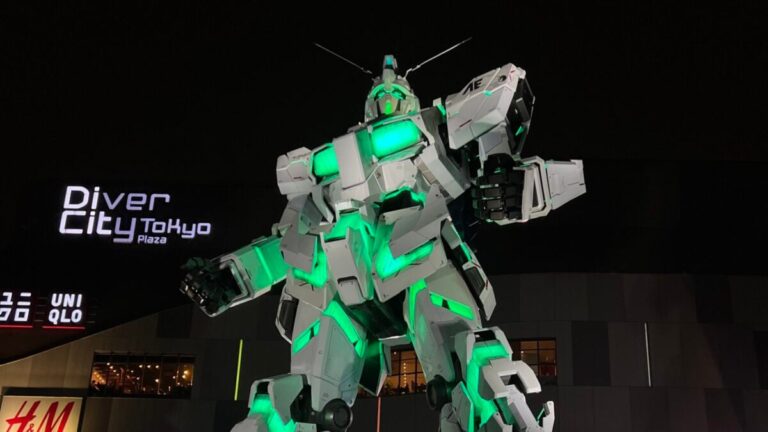
After nearly a decade anchoring Odaiba’s skyline, Tokyo’s life-sized Unicorn Gundam statue powered down for the final time on August 31, 2026. The 19.7-meter structure, which transformed a plaza outside the Diver City shopping center into a pilgrimage site for Gundam enthusiasts and casual tourists alike, drew thousands of visitors in its closing days to witness a cultural moment that extended far beyond anime fandom.
The statue’s retirement marks the end of an era for one of Tokyo’s most recognizable landmarks. Since its installation in 2017, the towering mecha has become woven into the fabric of Odaiba’s identity, standing where an earlier Gundam statue—a replica of the RX-78 Gundam from the original 1979 TV series—once presided over the district.
The End of an Icon
The closure of such a prominent installation is rarely treated as routine in Japan. Instead, Bandai Namco orchestrated an elaborate farewell that acknowledged both the statue’s importance to the Gundam fanbase and its broader cultural significance to Tokyo residents who’d grown accustomed to its presence.
The commemoration began on August 29, when a major musical performance marked the statue’s impending shutdown. Hiroyuki Sawano, who composed the soundtrack for Mobile Suit Gundam Unicorn—the OVA series on which the statue was directly based—performed alongside SennaRin, a vocalist who recently contributed an insert song to Mobile Suit Gundam Hathaway: The Sorcery of Nymph Circe, the franchise’s most recent theatrical film.
A Decade of Light and Memory
The Statue’s Legacy
The Unicorn Gundam statue arrived in Odaiba two years after the conclusion of the Mobile Suit Gundam Unicorn OVA series, crystallizing fan devotion to that narrative into a permanent, walk-up-and-touch monument. The structure did more than occupy physical space; it functioned as a gateway experience. The adjacent Gundam Base—one of the largest retail destinations for Gunpla model kits and franchise memorabilia—turned the plaza into a destination pilgrimage site where casual visitors and dedicated collectors could spend hours.
The statue’s evening programming cemented its status beyond mere promotional stunt. Nightly light shows featured the mechanical movement of the statue’s visor and additional theatrical effects, creating a ritual that brought visitors back repeatedly. For nearly nine years, onlookers lined the plaza each evening, watching the same sequence of movements and lights, yet treating each performance as significant.
A Monument to Fandom and Tourism
What separated the Unicorn Gundam from other corporate installations was its reach beyond the anime core audience. The statue attracted non-fans and casual photographers, becoming a must-see element of the Odaiba tourist circuit. Social media solidified this status; the structure appeared in countless Instagram feeds and travel vlogs, its sheer scale and intricate design making it a natural focal point for visual storytelling.
The statue’s iconic status grew partly from geographic coincidence—Odaiba’s concentration of museums, shopping, and entertainment venues meant the Gundam served as a recognizable landmark amid a dense cluster of attractions. But its longevity mattered too. Over nine years, multiple generations of Tokyo visitors made the trip to photograph it, creating a cumulative cultural resonance.
The Final Farewell
Thousands Gather for Closure
As word spread that the final light show would occur on August 31, thousands converged on Diver City. The scale of attendance surprised even long-time observers—this was not a minor sunset, but a genuine cultural moment. Fans lined the plaza, many recording video on their phones, capturing still photographs, and documenting the event through live social media posts.
The emotional tenor of the gathering distinguished it from ordinary foot traffic. Many visitors remained in the area longer than usual, reluctant to leave despite the late hour. At 10 p.m. JST, when the statue officially ceased operations, audible shouts of gratitude rang through the plaza. Attendees thanked the statue explicitly, vocally expressing appreciation for years of memories and connection. The language used—thanking it for “its service”—reflected how genuinely some visitors had integrated the monument into their personal histories.
The countdown itself became collective ritual. Crowds gathered, aware they were witnessing something they would not experience again, transforming what could have been a routine system shutdown into an affective, shared moment.
The Question of Replacement
What Comes Next Remains Uncertain
As of the morning of September 1, the statue itself still stood. Demolition had not yet commenced, though Bandai Namco indicated the process would proceed in due course. The immediate question facing the company was structural and logistical: how to safely dismantle a 19.7-meter structure and remove it from the plaza.
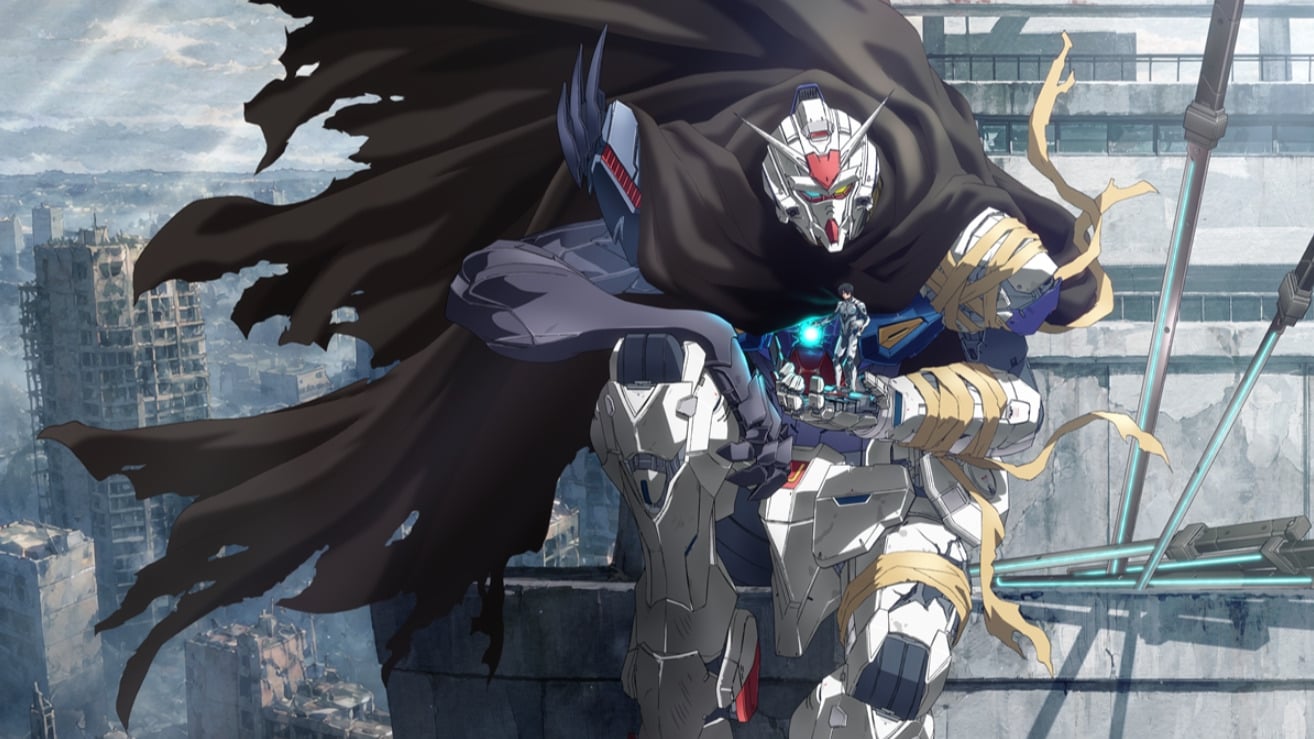
The larger question was cultural and strategic: what would replace it? Bandai Namco has not yet issued a public statement on this matter, leaving the field open to speculation. Within fan communities, discussion has centered on several possibilities, particularly mobile suits from Gundam’s more recent anime projects. The XVX-016 Gundam Ariel from Mobile Suit Gundam: The Witch from Mercury—the most popular recent series in the franchise—emerged as a frequently suggested replacement.
Uncertainty and Timeline
The timeline for both removal and replacement remained unclear. Large installations of this scale require engineering, permits, and construction coordination that can stretch over months. The gap between the statue’s closure and whatever comes next might be substantial, leaving the plaza empty for an extended period.
For regular visitors to Odaiba, this represents an unusual moment: the loss of a familiar landmark without immediate certainty about its successor. The Gundam statue had existed for so long that most regular visitors had never known the plaza without it. Its absence, even temporary, would alter the visual and spatial experience of the district.
A Cultural Moment
The closure of the Unicorn Gundam marks a genuine turning point for Odaiba and for Gundam fans worldwide. The statue had transcended its function as promotional hardware to become a legitimate cultural fixture—the kind of landmark that shapes how visitors experience and remember a place.
Visiting Odaiba without seeing the statue will now feel incomplete in a way that will take time to adjust to. While Bandai Namco’s commitment to replacing it suggests continuity, the specific nature and timeline of that replacement remain unknown. What is certain is that the farewell on August 31 reflected how deeply this object had embedded itself in the lives of both dedicated fans and casual visitors, and how the architecture of our entertainment—the physical monuments we build to beloved stories—shapes memory and belonging.
Frequently Asked Questions
How long was the Unicorn Gundam statue in operation?
The statue operated for approximately nine years, debuting in 2017 and closing on August 31, 2026.
Which statue did the Unicorn Gundam replace in Odaiba?
It replaced an earlier Gundam statue based on the RX-78 Gundam from the original 1979 Mobile Suit Gundam TV series.
Will another Gundam statue replace the Unicorn Gundam?
Bandai Namco has not confirmed a replacement yet, but within fan communities, the Gundam Ariel from Mobile Suit Gundam: The Witch from Mercury has emerged as a popular suggestion.
