
Key takeaways
- Niu Lai, created by a mother-and-son pair for approximately $200, grew from earning $1,140 in its first ten days to over $1.7 million in total box office revenue.
- Theaters lacked official promotional materials, prompting staff to hand-draw their own posters—creative solutions that became memes and drove community enthusiasm.
- The film's viral success represents audience appreciation for human-made, imperfect animation over generative AI-produced content.
The internet continues to prove that originality and charm often matter more than production value or industry polish. A Chinese animated film called Niu Lai, created entirely by a mother-and-son pair working with a microscopic budget, has defied all commercial expectations and become a box office phenomenon in China. What began as a humble passion project has transformed into a cultural moment, driven entirely by organic enthusiasm from audiences who appreciated the film’s unfiltered authenticity and deliberately crude visual style.
A Family Project With Humble Origins
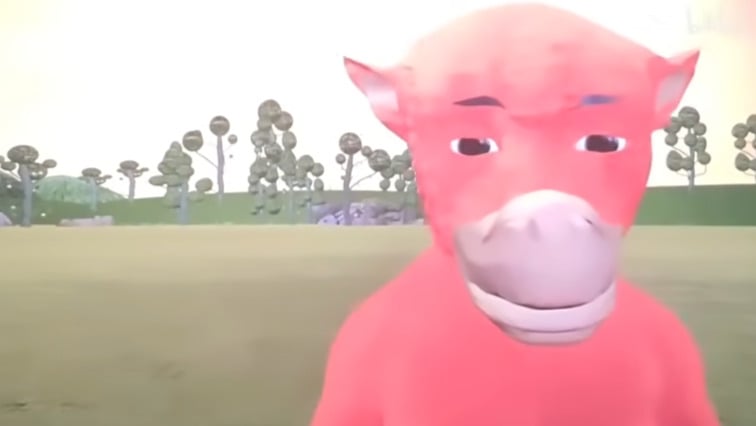
Niu Lai, which translates to “Here Comes the Cow” or “The Cow Comes,” tells the story of a young cow that experiences a dream in which it learns to become brave and responsible. The narrative itself is straightforward and carries the kind of gentle moral messaging typical of children’s animation. What sets the film apart entirely is how it was made and by whom.
A mother-and-son creative team produced the entire project themselves, handling all aspects of production, animation, and voice acting without outside assistance. The budget was extraordinarily minimal—sources indicate the production cost approximately 200 dollars, creating a film that operates at a scale almost unimaginable by modern animation standards. Despite working under these severe constraints, the pair completed an animated feature that stretches nearly 90 minutes in length, a remarkable achievement given the resources available.
From Negligible Start to Commercial Success
The film’s initial theatrical performance suggested it would remain a footnote in cinema history. During its opening ten days in release, Niu Lai grossed only 7,705 yuan, equivalent to approximately $1,140 USD. By any measure, these numbers represented a commercial failure before the film had truly begun its run.
The trajectory shifted dramatically as the film captured attention on Chinese social media platforms. Audiences embraced the movie not despite its poor animation quality but specifically because of it. The community celebrated the film’s rough aesthetic as refreshingly honest and charmingly imperfect, a stark contrast to the polished CGI productions that dominate theatrical releases. This grassroots enthusiasm accelerated momentum exponentially.
According to tracking data from Mao Yan, the film has since accumulated over 11.4 million yuan, converting to approximately $1.7 million USD. The transformation from financial disappointment to genuine box office success occurred within a compressed timeframe, driven entirely by viral momentum and word-of-mouth enthusiasm across digital platforms.

The Theater Response and Marketing Problem
Unexpected Demand Forces Theater Adjustments
As Niu Lai’s popularity surged, theaters across China faced an unexpected situation. The surge in audience interest required adding additional screenings to accommodate the surprising demand. Programming directors who initially scheduled minimal showings found themselves scrambling to increase capacity and frequency.
A Promotional Crisis Becomes Creative Opportunity
Theater staff encountered an unusual challenge: the film’s producers released no official press kit or promotional materials. Without standard marketing assets that typically accompany theatrical releases, cinema employees lacked the official posters necessary to advertise screenings and inform potential viewers about showtimes and availability.
Rather than wait for official materials that never arrived, theater staff improvised. Employees across multiple venues began creating their own promotional posters by hand, drawing illustrations of the film’s bovine protagonist and other characters. The resulting artwork ranged from crude sketches to more elaborate illustrations, each capturing the aesthetic uniqueness of the film’s animation in various interpretations.
Hand-Drawn Posters Become Unexpected Memes
These improvised promotional materials quickly circulated across Chinese social media, where they became objects of humor and appreciation. The posters generated enthusiasm not as marketing failures but as authentic expressions of the grassroots excitement surrounding the film. Some designs mimicked the film’s deliberately awkward character designs, while others took stylistic approaches entirely their own. One poster, described as resembling the aesthetic of the farming simulation game Harvest Moon, became particularly popular for its unexpected charm.
The phenomenon illustrates how modern audiences respond to authenticity and imperfection. Rather than professional design polish, the hand-drawn theater posters conveyed genuine enthusiasm and the organic community support driving the film’s unexpected success. The posters themselves became cultural artifacts worthy of sharing and discussing across platforms.
Cultural Significance and Industry Implications
Beyond its commercial success, Niu Lai carries cultural resonance within broader conversations about the future of entertainment production. The film’s viral embrace represents an implicit statement about creative value and filmmaking philosophy. As the entertainment industry increasingly explores generative artificial intelligence as a tool for animation production and content creation, Niu Lai’s success demonstrates that audiences retain strong appreciation for human-made art, even—or perhaps especially—when that art displays obvious imperfection and limitation.
The film’s popularity coincides with ongoing industry debate about AI-generated imagery and animation. Niu Lai’s hand-crafted aesthetic, created through traditional animation techniques despite extreme resource constraints, resonates as an alternative vision to algorithmic content generation. The community’s embrace of deliberately low-quality human animation over glossy AI-assisted production suggests that audiences value the visible human effort and intentionality behind creative work.
Experiencing the Phenomenon
The complete film is available on YouTube, providing full access to the nearly 90-minute production. Viewers should note that English subtitles are not provided, requiring audiences to follow along through visual storytelling and contextual clues. Despite this accessibility barrier, interested viewers have engaged with the material enthusiastically.
The film features an array of animal characters alongside its bovine protagonist. The cast includes a pack of wolves that attack the cattle, a leopard depicted as friendly toward the cows, and various birds. Each character carries the same distinctive animation style that made the film famous, creating a cohesive aesthetic throughout the narrative.
A Moment That Challenges Industry Assumptions
Niu Lai’s trajectory from near-zero box office performance to $1.7 million gross challenges fundamental assumptions about entertainment value and production requirements. The film proves that creative vision, authentic execution, and emotional resonance can transcend budgetary limitations. A mother-and-son team working with minimal resources created something that captured imagination and drove millions in revenue.
The emergence of hand-drawn theater posters as cultural objects demonstrates how modern audiences participate in and amplify content they discover organically. Marketing departments throughout the industry invest substantial resources attempting to create viral moments; Niu Lai generated sustained enthusiasm through nothing more than honest promotion created by theater workers who believed in what they were selling.
The film’s success will likely prompt reflection across creative industries about the relationship between resource investment and audience connection. In an era of escalating production budgets and technological sophistication, a 200-dollar animated film created by two family members captured genuine enthusiasm and commercial success through authenticity alone.
Frequently Asked Questions
How much did Niu Lai cost to make?
The film was created on a budget of approximately 200 dollars by a mother-and-son pair who handled all aspects of production, animation, and voice acting themselves.
What are Niu Lai's box office numbers?
The film earned 7,705 yuan ($1,140) during its first ten days but has accumulated over 11.4 million yuan, approximately $1.7 million USD, after going viral.
Where can viewers watch Niu Lai?
The complete nearly 90-minute film is available on YouTube without English subtitles, requiring viewers to follow along through visual storytelling and context clues.
