
Key takeaways
- Boll stated that the game would bring “the film’s vigilante fantasy to players” in a PS5-exclusive experience, marking his first direct involvement in a video game adaptation after years of working exclusively in cinema.
- *Citizen Vigilante* has become one of 2026’s most polarizing releases, launching with predictably terrible critical reviews and generating international controversy for its anti-immigration themes.
- Before the film’s official theatrical release, billionaire entrepreneur Elon Musk uploaded the entire *Citizen Vigilante* film to his X (Twitter) account, making it freely downloadable for 48 hours.
- Uwe Boll built his career during the 2000s by directing film adaptations of video game properties, including *House of the Dead*, *Alone in the Dark*, *BloodRayne*, *Postal*, and *Far Cry*.
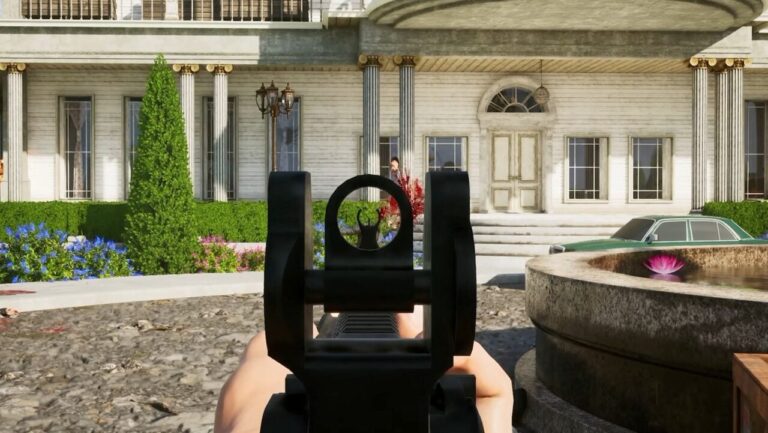
German filmmaker Uwe Boll announced in July 2026 that his controversial film *Citizen Vigilante* is being adapted into a video game titled *Citizen Vigilante: The Video Game*, scheduled for exclusive release on PlayStation 5 on July 17, 2026. The announcement marks a reversal of Boll’s career trajectory—the director spent the 2000s adapting video games into films, and now finds himself creating a game based on his own original film property. The tie-in arrives just 28 days after the film’s theatrical and digital debut on June 19, 2026, via distributor Quiver.
A Rapid Pivot Into Gaming
Boll stated that the game would bring “the film’s vigilante fantasy to players” in a PS5-exclusive experience, marking his first direct involvement in a video game adaptation after years of working exclusively in cinema. The announcement came with minimal additional detail about the game’s developer, publisher, or gameplay mechanics, with Boll serving as the primary voice behind the project’s promotion. No third-party developer or publisher has been officially named, suggesting the game remains directly controlled by Boll’s production team.
The compressed timeline between the film’s June 19 release and the July 17 game launch represents an aggressive push to capitalize on whatever cultural momentum the film generates. Industry observers note that the game appears to be a low-budget, niche PS5 exclusive with rough visuals and limited scope, distinguishing it sharply from major film-to-game adaptations like *Resident Evil* or *The Last of Us*, which benefit from substantial budgets and established third-party development studios.
A Film Mired in Controversy and Censorship
*Citizen Vigilante* has become one of 2026’s most polarizing releases, launching with predictably terrible critical reviews and generating international controversy for its anti-immigration themes. The film stars disgraced actor Armie Hammer as Michael Sanders, a European vigilante who murders undocumented immigrants and their defenders following personal tragedy. Multiple outlets, including Kotaku and Slate, have described the film as “disturbing,” “controversial,” and among the worst movies released in recent memory.
The film faced severe regulatory backlash in Germany, where it was banned in July 2026 following a 6–2 vote by the German rating board that determined the film “incites violence against migrants.” Boll publicly accused the rating board of “conscious censorship” and claimed they “refused to assign us a classification,” framing the decision as an ideological attack rather than a content-based judgment. The banning eliminated the film from German theatrical and digital distribution, creating a significant market loss for the production.
The Elon Musk Controversy and Distribution Chaos
Before the film’s official theatrical release, billionaire entrepreneur Elon Musk uploaded the entire *Citizen Vigilante* film to his X (Twitter) account, making it freely downloadable for 48 hours. When questioned by *Variety* about whether Musk had obtained permission from Boll or Quiver, Boll initially stated “basically, yes,” before later clarifying that the answer was actually “no,” indicating the upload occurred without authorization. The unauthorized digital distribution created significant complications for Quiver’s ability to control the film’s market entry and windowing strategy.
Despite the chaos surrounding its release, Quiver secured distribution rights for international territories excluding the United Kingdom and Germany, establishing a limited theatrical and digital presence across select North American markets. The distributor’s willingness to engage with the project despite its contentious nature and poor critical reception underscores the commercial appeal of controversy-driven content in certain market segments. The game’s announcement came amid ongoing legal and regulatory disputes surrounding the film itself.
A Career Reversal for a Divisive Filmmaker
Uwe Boll built his career during the 2000s by directing film adaptations of video game properties, including *House of the Dead*, *Alone in the Dark*, *BloodRayne*, *Postal*, and *Far Cry*. His films became notorious for poor critical reception and loose fidelity to their source material, establishing Boll as a symbol of failed video game-to-film adaptation. The pivot to creating a game from his original film represents an unusual career move that inverts the typical direction of cross-media adaptation.
Notably, Boll has not abandoned his interest in video game intellectual property. In mid-2026, he announced that he had reacquired the rights to the *Alone in the Dark* franchise and was actively negotiating with Hollywood producers for a new film based on the horror game series. This simultaneous pursuit of both film-from-game and game-from-film projects demonstrates Boll’s continued ambition to operate across both entertainment mediums despite his historical struggles in both industries.
A Rare Reversal in Cross-Media Adaptation
The *Citizen Vigilante* game adaptation represents a historically uncommon move in entertainment industry practice. While major franchises have successfully transitioned from film to games—and more frequently from games to film—few directors have personally shepherded both directions of adaptation. Boll’s involvement in creating a game from his original film property stands as a distinctive anomaly in an industry where such cross-media reversals remain exceptional rather than routine.
The project most closely resembles earlier indie attempts like *House of the Dead: The Game* (2003), which similarly suffered from poor reception and limited commercial scope. The comparison underscores the challenges facing low-budget, niche platform exclusives attempting to build sustainable audiences outside major gaming franchises.
Key Dates and Industry Implications to Monitor
The July 17, 2026 PS5 release date represents the immediate next milestone for tracking the project’s commercial and critical reception. Industry observers should monitor whether the game achieves any commercial traction despite its limited platform exclusivity and the film’s universally negative critical reception. Critical reviews of the game itself will provide insight into whether Boll’s production team has created a functional gaming experience or whether the tie-in suffers from the same quality issues that plagued his film work.
The success or failure of *Citizen Vigilante: The Video Game* may influence whether other controversial filmmakers attempt similar cross-media reversals, or whether the project becomes another cautionary tale in the history of problematic adaptations. Boll’s simultaneous pursuit of the *Alone in the Dark* film rights suggests his career trajectory will continue oscillating between gaming and film properties, regardless of this particular project’s outcome.
