
Key takeaways
- Unshine Arcade's core loop alternates between maze navigation and isometric combat, with your escape strategy directly affecting your combat effectiveness.
- According to Kotaku, the game reveals new mechanics and secrets gradually across multiple sessions rather than demanding completion in one sitting.
- Earned tickets unlock a sprawling meta-game including AI interactions, machine upgrades, coded doors, and hidden devices throughout the arcade.
- The $10 price point and available demo provide low-risk entry to experiencing the game's unique blend of arcade mechanics and secrets.
Unshine Arcade resists the kind of quick genre comparison that typically opens game coverage. This $10 roguelite refuses neat categorization, layering a maze-escape game with isometric shooting, progression systems, and an archipelago of hidden devices scattered throughout a decaying arcade cabinet room.
The Premise and Setting
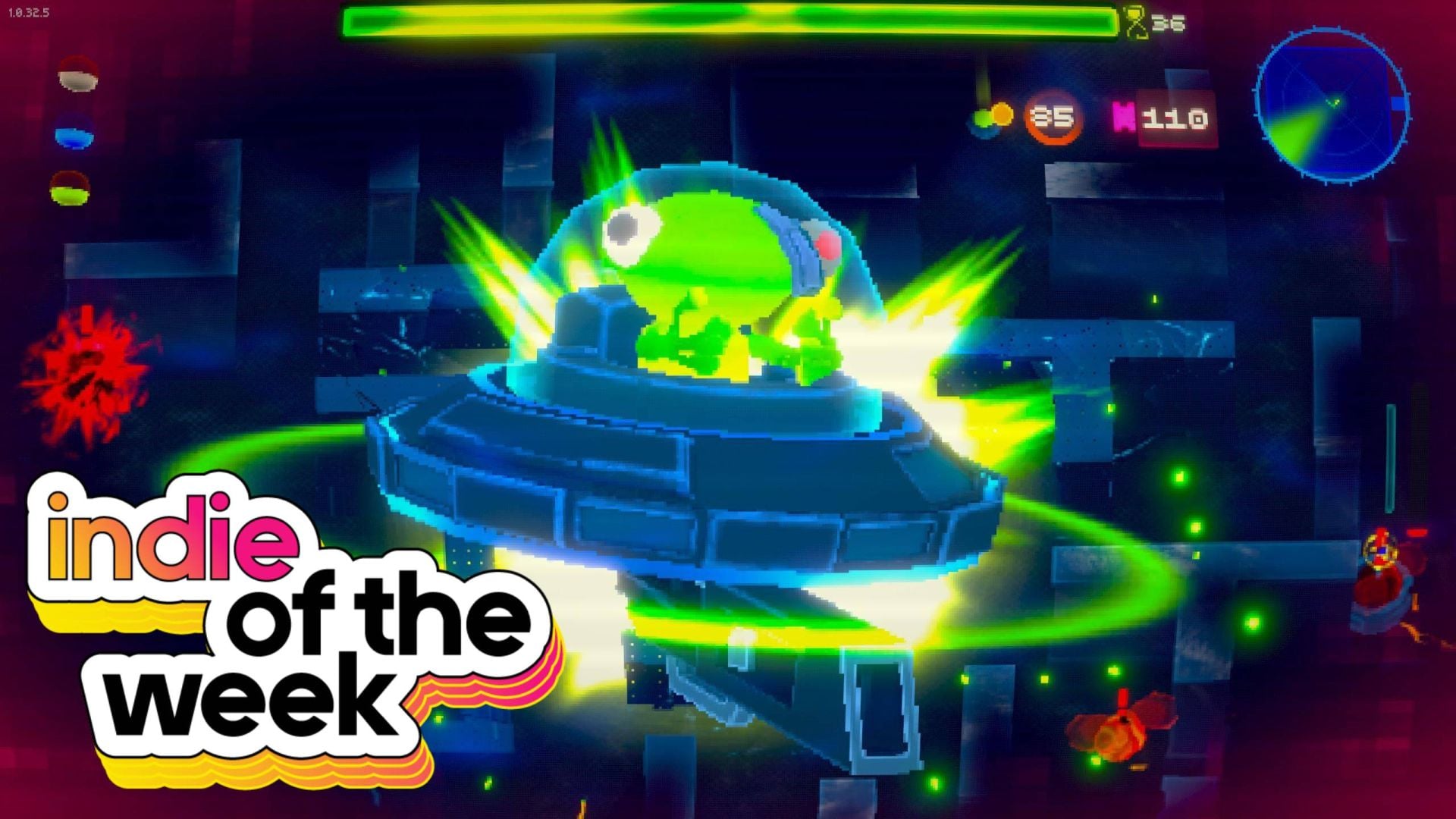
The game takes place inside an abandoned arcade, where you pilot a small alien spacecraft through what amounts to an unsettling remix of classic arcade rules. Your goal involves playing a grotesque variation on familiar arcade games to earn tokens that might free some kind of sentient computer—the details remain characteristically murky. The entire experience unfolds as a game within a game, with your alien pilot operating inside a cabinet while the surrounding room holds countless other machines and contraptions waiting to be discovered.
Two-Stage Gameplay Loop
The Escape Phase
Each run begins with a maze phase where your floating UFO navigates through multiple connected rooms. Your tasks are straightforward in concept but demanding in execution: avoid enemies, collect gacha balls alongside bonuses and coins, and reach a final location where a weapon awaits. The gacha balls serve dual purposes—they offer potential upgrades through their contents, and collecting them becomes central to your success. Movement feels deliberately tight, and the maze design requires careful path planning to evade the enemies patrolling each area.
The Combat Phase
Grabbing the weapon triggers an abrupt shift to isometric perspective and gameplay. The creatures you spent the maze phase avoiding suddenly become targets, and you must shoot them down to earn tickets. Each defeated enemy contributes to your ticket total, transforming survival into conquest. This dual-phase structure means your escape strategy directly influences your combat effectiveness—the positioning you maintained, the path you chose, and the items you grabbed all factor into how the shooting phase unfolds.
Progression Through Slay the Spire-Like Branching
Between runs, you face a progression tree with branching pathways advancing toward a final boss encounter. Your choices are limited: attempt another regular round, pursue an opportunity to collect more gacha balls, visit a shop where coins purchase additional gacha balls, or access an upgrade station for your existing abilities. Even if you don’t reach the final boss, you keep all tickets earned during the run, funding your meta-game investments. The restrictive structure forces strategic decisions about which path suits your current loadout. As you advance and unlock additional routes through codes and exploration, the number of options grows while maintaining focused decision-making.
The Meta-Game Economy and Hidden Mechanics
Spending and Discovering
Tickets function as the game’s universal currency. The ways to spend tickets form a sprawling meta-game that keeps revealing new possibilities the longer you play. A sentient AI character requests increasingly large ticket payments with promises of freedom, though the sincerity of these exchanges remains deliberately ambiguous. A claw machine exchanges tickets for gacha balls, functioning like a second collection method. A battery vending machine powers dormant arcade devices throughout the room, each unlocking different benefits or challenges.
The game hides codes that unlock doors to new areas, each containing additional devices and opportunities for tweaking your abilities. You can discover a Pong knock-off tucked away in one corner, gamble your tickets on a slot machine setup, or interact with any number of other contraptions scattered through the space. Discs found during runs modify how the core arcade game functions, while separate difficulty adjustments let you increase challenge in exchange for higher ticket payouts. This progression feels organic rather than punishing—you gradually piece together how the various systems interact and which combinations work best for your playstyle.
Atmosphere, Aesthetics, and Secrets
Unshine Arcade shares a visual vocabulary with the abandoned arcade roguelite CloverPit, employing the same dark, crunchy pixel aesthetic without copying its tone. Though Unshine had been in development long before CloverPit’s release, both games focus on a single arcade cabinet within a peculiar room, favoring pixel art with deliberately grimy qualities. The color palette here leans toward muted blues, greens, and pinks, creating a palette that feels off-kilter without leaning into oppressive darkness. The overall vibe manages to be simultaneously weird and unserious, with moments of genuine strangeness alongside jubilant ticket-printing sequences that celebrate your progress.
The game hides numerous secrets, some with sinister undertones. Cheat codes lie waiting to be discovered, offering ways to further tweak your runs. The longer you play, the more you notice—details in the machines’ designs, patterns in how difficulty scales, references buried in the dialogue from the oddball AI character. According to Kotaku, the game reveals these details gradually across multiple sessions, rewarding return visits and patient exploration rather than demanding completion in a single sitting.
How the Game Asks to Be Played
According to Kotaku, Unshine Arcade functions best when played in shorter bursts across multiple days rather than as a single extended session. This approach prevents burnout while allowing steady incremental progress. Each visit surfaces new details about hidden mechanics, upgrade paths, or secret interactions. The game never punishes you for leaving and returning—your ticket pool persists, your unlocked abilities remain, and the available paths shift based on what you have completed. The design acknowledges that a roguelite structured around repeated arcade games benefits from spacing rather than marathon sessions.
Verdict
Unshine Arcade occupies a strange space that generic genre labels fail to capture. The asking price of $10 keeps it accessible for experimenting, and a demo lets you sample the core loop before committing. According to Kotaku, the game works well for players comfortable with gradual progression and willing to poke at its systems until they reveal their underlying logic. If arcade mechanics, roguelike progression, and pixel art appeal to you, or if you appreciate games that layer secrets and mechanics without overwhelming the player, Unshine Arcade merits investigation. The game will likely wear thin for players seeking something to complete and move past, but those who enjoy sustained engagement with systems that keep revealing new angles will find plenty to occupy their time.
Frequently Asked Questions
What are the two phases of Unshine Arcade's gameplay?
Each run has a maze phase where you navigate rooms, avoid enemies, and collect gacha balls before grabbing a weapon, then shifts to an isometric shooter phase where you shoot those enemies for tickets.
How do you progress between runs in Unshine Arcade?
You navigate a Slay the Spire-like branching tree with limited choices between different activities including regular rounds, collecting more gacha balls, visiting a shop, or upgrading existing abilities, all advancing toward a final boss encounter.
According to Kotaku, what is the best way to play Unshine Arcade?
According to Kotaku, the game works best played in short bursts across multiple days rather than in long sessions, which prevents burnout while allowing steady progress and time to discover new mechanics and secrets.
