
Key takeaways
- Silksong's $20 price has become a ceiling that constrains indie developers unable to justify higher prices for similar titles.
- Pricing analyst Cassia Curran found the price too low given the game's 7-year development cycle and 30-hour campaign.
- Downward pricing pressure is forcing indie studios to abandon demos and playtests while competing against AI-generated games and studio closures.
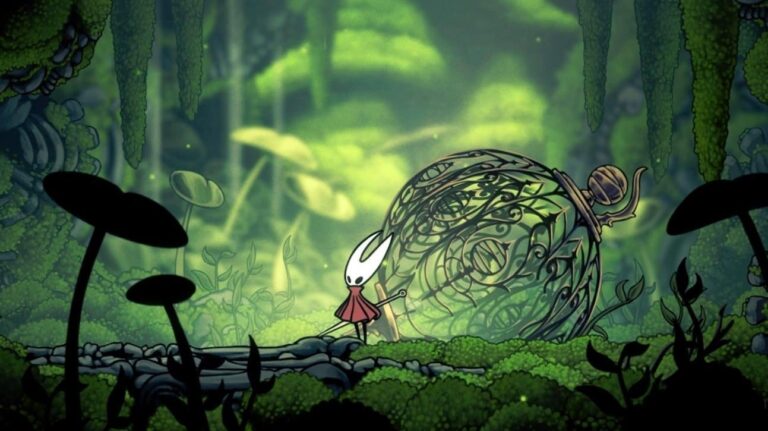
Hollow Knight: Silksong arrived in 2025 as one of the year’s most anticipated releases, carrying the weight of a seven-year development cycle and significantly improved production values compared to the original. Team Cherry delivered a roughly 30-hour campaign that generated strong game-of-the-year consideration and ranked among Steam’s most popular titles that year. The achievement was substantial. The launch price was not: $20, just $5 above the original Hollow Knight from 2017.
That modest pricing decision has since constrained the wider indie development community, according to Kotaku’s reporting on industry pricing analysis. The consequence was immediate and measurable: a price ceiling has emerged that affects how developers price competing titles.
The Analyst’s Perspective
Cassia Curran maintains a tool that helps developers understand Steam’s pricing landscape, analyzing successful pricing models across genres. When asked about Silksong’s launch price, she expressed clear frustration. “Hollow Knight kind of annoyed me,” she told The Game Business. “I was like, ‘Oh god, please price it higher. $24.99 would have made like a big difference to a lot of studios that have similar games.'”
Curran’s concern reflects a real economic problem. Developers working in roguelikes, metroidvanias, and other competitive indie genres now face an awkward constraint. When a blockbuster indie game achieves both critical success and commercial dominance at a particular price point, that price becomes the reference point for every competitor. Studios cannot easily justify charging more without a differentiation argument that consumers find convincing.

The Ceiling Effect
How Success Sets Market Standards
Silksong’s prominence on Steam meant its $20 price functioned as more than a single pricing decision. For game makers analyzing the market, it became a visible benchmark. Competitors operating in similar genres must now explain why their roguelike, metroidvania, or action game deserves more revenue than the year’s most celebrated example of that category.
Curran described the dynamic directly: “I would say there is actually quite a lot of downward pricing pressure, especially with friendslop these days.” Developers who examine pricing strategies for their own work frequently gravitate toward the lowest price they find in their competitive set, especially when the comparison is transparent and instantaneous on Steam. The developer of a roguelike cannot easily argue their game is worth $29.99 when a critically acclaimed example from a respected studio sits at $20.
The Downward Pressure
This pattern means the price ceiling is real whether or not it sustains the economics of development. A studio may need $24.99 to break even on their project. But if they cannot make a compelling argument for that additional cost, they remain hemmed in by Silksong’s precedent, regardless of their budget constraints or production complexity.
Other examples demonstrate that differential pricing is possible. Valor Mortis, a Napoleonic Soulslike, launched at $40 and broke even on initial sales. Star Wars Zero Company, priced at $50 on PC, reached 1 million units sold. Both games suggest that clear differentiation or niche positioning can still command higher prices. But in crowded spaces where consumer comparisons are immediate and transparent, the lowest-priced competitor often becomes the immovable reference point.
Steam Case Studies
When Pricing Goes Too High
The pattern has played out visibly on Steam. Tribute Games released Scott Pilgrim EX, a retro pixel art beat-em-up developed as a modern homage to River City Ransom, at $30. According to Kotaku’s assessment, Steam users rejected that pricing and the game’s sales struggled on the platform, despite the game’s quality as a well-crafted title with clear design pedigree.
Finding Success at $20
Months after Silksong’s dominance became clear, Yacht Club Games launched Mina the Hollower, another retro adventure game, at $20. The price difference was minimal compared to Scott Pilgrim EX, yet the reception differed measurably. Yacht Club Games appeared to find considerably more success with that price point, suggesting consumers had internalized $20 as the appropriate tier for indie action games of that type.
Industry Headwinds
The pricing problem exists against mounting additional pressures. Thousands of games now release on Steam annually, eroding the ability of any single title to command a premium or stand out from the crowd. Simultaneously, developers face a new threat: generative AI-generated games that are difficult to distinguish from legitimate work, combined with bad-faith actors copying entire games byte-for-byte within days of launch.
Penguin Colony, which deconstructs colonial overtones from H.P. Lovecraft’s work, competed for attention at Next Fest alongside thousands of AI-generated demos. The Needle In A Haystack Simulator developer has already accused another studio of creating a byte-for-byte identical version of their game. Robert Moses’ game about dismantling civilization competed in the same discovery environment.
Fear of being cloned or analyzed before launch has prompted measurable changes in developer behavior. Studios have begun canceling open playtests and withdrawing free Steam demos, choosing to protect their work from being dissected or copied rather than risk exposure. This defensive posture reduces the visibility and player feedback that typically helps indie games find their audience.
Economic Consequences
The combined pressures have begun taking an economic toll. The Stockholm District Court issued a bankruptcy order against Liquid Swords’ developers following reports that employees went unpaid for two months. The studio joins a growing roster of smaller teams that have folded or downsized significantly as the financial pressures of indie development have intensified.
Silksong’s commercial and critical success was unquestionably real. Its $20 price may have been conservative relative to its achievements and the scope of production it represented. But for the hundreds of developers attempting to launch comparable games with comparable or tighter budgets, that precedent has become a market constraint rather than an inspiration.
Source: Kotaku
Frequently Asked Questions
Why did Cassia Curran criticize Silksong's $20 price?
She believed $24.99 would have made a significant difference to many indie studios developing similar games, creating more pricing flexibility rather than a competitive ceiling.
What happened to games priced higher than Silksong on Steam?
Scott Pilgrim EX launched at $30 and sales struggled, while Mina the Hollower at $20 found more success, suggesting players base pricing expectations on successful precedents.
What additional pressures face indie developers beyond pricing ceilings?
Studios contend with AI-generated games, byte-for-byte clones, and the need to protect unreleased work by canceling demos and playtests to avoid being copied.
