
Key takeaways
- PlayStation 5 has sold 100 million units as of November 2026, trailing the PS4 and PS2's ~103 million at equivalent lifecycle points but exceeding the PS1, PS3, and Nintendo Wii.
- Supply chain issues, component shortages, and tariff-driven price increases of $200 above launch price have constrained PS5 sales during critical market windows.
- Sony's investment in failed live-service games and acquisitions diverted resources that might have expanded the single-player blockbuster pipeline and strengthened competitive positioning against Xbox.
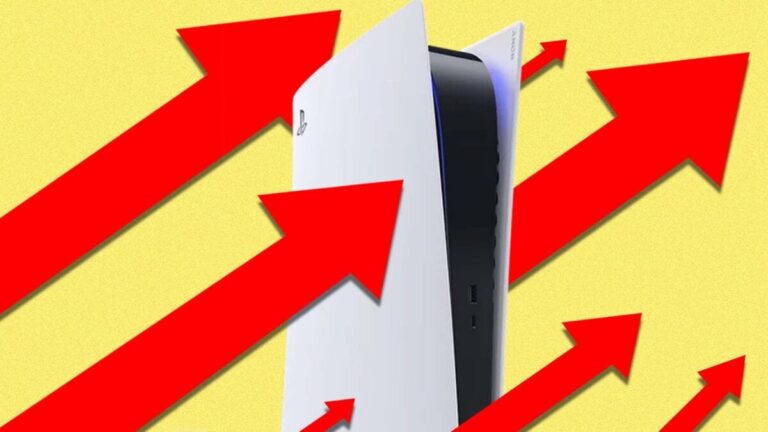
Sony’s PlayStation 5 has reached 100 million units sold, according to an update to the company’s official console sales tracking page as of November 10, 2026. The milestone arrives during a period of strong retail momentum, as consumers purchase ahead of the Marvel’s Wolverine release and Grand Theft Auto 6’s arrival, before the holiday shopping season peaks.
The 100 million figure represents sell-in numbers, counting both units in consumer hands and inventory sitting on retail shelves. Sony reported 2.6 million PS5 sales during its earnings period ending September 30, meaning an additional 2 million units shipped in October and the first ten days of November alone.
Historical Standing in Sony’s Console Lineup
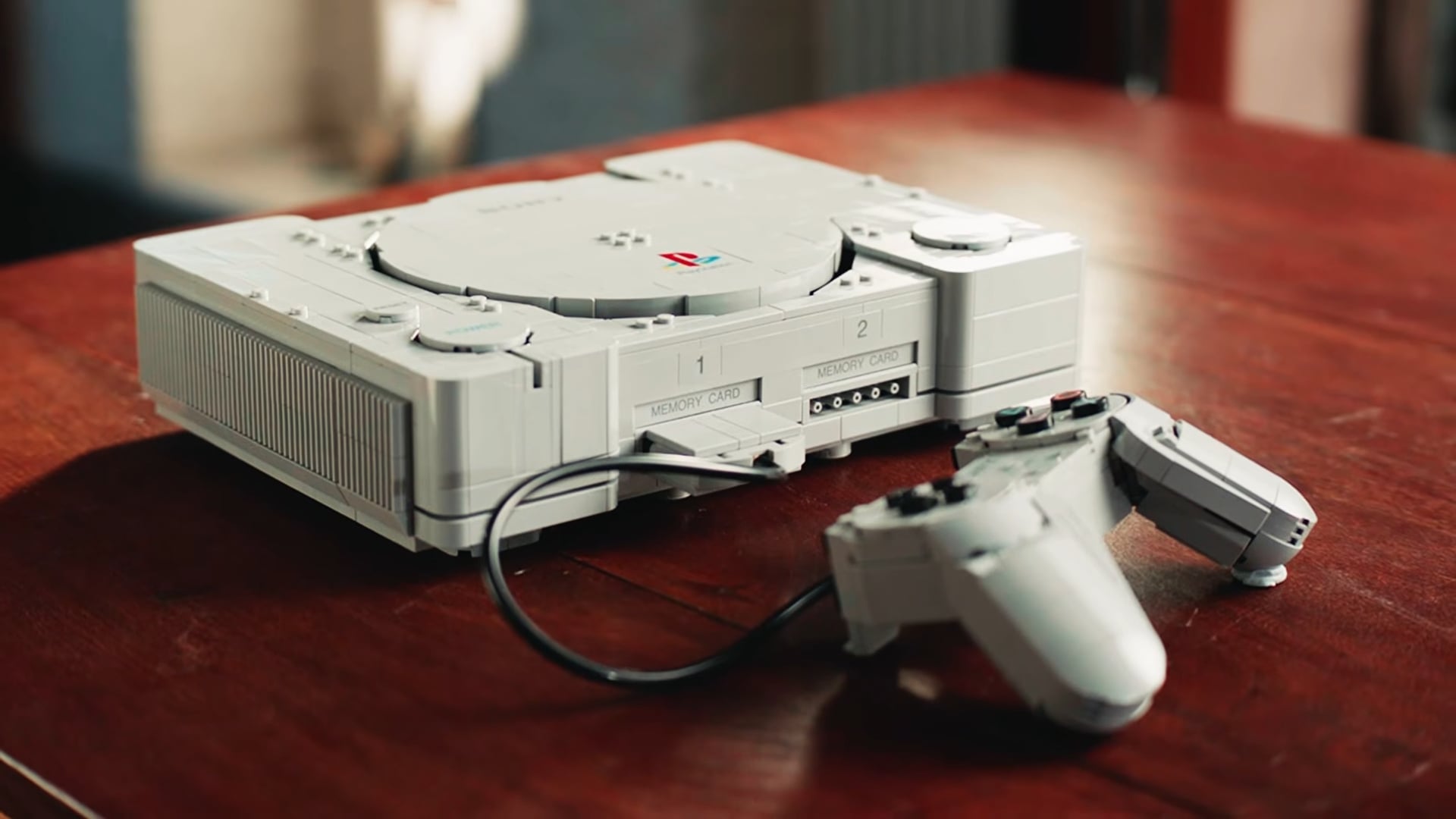
The PS5 now occupies an unusual position within Sony’s own history. According to Niko Partners analyst Daniel Ahmad, both the PS4 and PS2 had reached approximately 103 million sales at a comparable 72-month point in their market cycles. The PS5, at 100 million, trails both predecessors by a small margin despite being the company’s flagship console for the current generation.
The picture shifts when comparing the PS5 to earlier or alternative hardware. It substantially outpaces the PS3, which sat above 70 million at the same lifecycle stage, and exceeds the original PlayStation’s approximately 77 million units. Nintendo’s Wii, once considered a major sales success, landed below 100 million when measured at equivalent time periods.
Portable Devices Tell a Different Story
Nintendo’s handheld systems paint a starkly different trajectory. The Nintendo DS reached 136 million units sold, and the Switch surpassed 122 million. These higher totals reflect different market positioning, lower price points, and the distinct advantage of portable gaming appeal that desktop and living room consoles cannot match. Direct comparison becomes problematic because these devices competed in separate market segments.
Console Market Context
In the current console generation, the PS5’s dominance over Xbox hardware is evident. Microsoft’s Series line has reached only 38 million units, while the original Xbox One sold 49 million and the Xbox 360 achieved 60 million. The disparity underscores Sony’s continued lead in the ongoing console war, though some observers question whether that advantage represents the success it might appear to be.
Interpreting the Achievement
The 100 million milestone invites competing narratives about Sony’s performance this generation. One reading treats it as a missed opportunity. The PS4’s stronger performance at the equivalent point, combined with Xbox’s sustained struggles, presented an opportunity for Sony to expand its market share beyond historical precedent. That the PS5 fell short of these benchmarks despite favorable competitive conditions suggests execution gaps rather than market resistance.
Headwinds and External Pressures
Sony executives and industry observers point to concrete challenges that shaped the PS5’s sales trajectory. Supply chain disruptions persisted well beyond the console’s 2020 launch, creating artificial scarcity during critical years. More recently, tariff-driven price increases have made the PS5 a more expensive proposition than its launch price suggested. The console currently costs $200 more than it did at launch, a significant barrier in a consumer market sensitive to pricing.
Component shortages, particularly around RAM availability, have intermittently constrained production. These headwinds compressed the window during which aggressive sales targets might have been achieved.
Strategic Allocation Questions
Beyond market conditions, Sony’s internal resource allocation has drawn scrutiny. The company invested billions into live-service game development and related acquisitions, initiatives that largely failed to generate the projected returns. Games either never shipped or arrived to insufficient audience interest. Had those capital and personnel resources instead bolstered the single-player, premium blockbuster pipeline that drove PS4 success, the competitive position might have strengthened considerably.
Launch and Early Generation Challenges
The PS5’s introduction during the pandemic created an unusual first chapter. Demand vastly outstripped available supply, but that advantage inverted over time. Early momentum stalled as consumers waited for restocks and game libraries matured more slowly than previous generations. The expected parade of exclusive next-gen blockbusters arrived more gradually than marketing suggested.
By the time supply normalized, pricing had begun its upward trajectory, introducing a friction point that earlier PlayStation generations avoided. The PS4 benefited from price cuts as its lifecycle progressed. The PS5 instead faced regular increases, compressing the addressable market and dampening impulse purchases from cost-conscious consumers.
Software Pipeline and Game Development Strategy
The absence of a robust exclusive library during critical launch windows gave competing platforms opportunities to gain ground. While the PS5 eventually received major releases, the timing gaps allowed Xbox Game Pass to build subscriber momentum through alternative value propositions, and Nintendo to maintain its dominance in specific market segments.
Sony’s recent pivot acknowledges these dynamics. A new emphasis on console-first development and prioritization of single-player experiences reflects recognition that the live-service detour consumed resources without commensurate returns. Whether this strategic recalibration can sustain growth toward PS4 parity remains open, especially with the PS5 now moving into its later lifecycle years.
Market Momentum Heading Into 2027
The current sales acceleration carries significance beyond the raw number. Marvel’s Wolverine’s release catalyzed a burst of hardware purchases, and Grand Theft Auto 6’s imminent launch is driving pre-holiday console sales. These drivers suggest the PS5 remains a destination platform for major releases, even if cumulative sales have underperformed relative to historical PlayStation standards.
The 2 million units sold in a compressed timeframe during October and early November indicate strong consumer appetite when compelling software arrives. The upcoming holiday season typically represents the year’s strongest selling period for consoles, potentially pushing the PS5’s total higher in coming weeks. Whether that momentum carries into 2027 depends substantially on software releases and pricing strategy.
Source: Sony Interactive, via Kotaku
Frequently Asked Questions
How much time has the PS5 been on the market to reach 100 million sales?
The PS5 launched in 2020 and reached 100 million sales as of November 10, 2026, representing approximately 72 months or six years into its lifecycle.
How does the PS5's 100 million sales figure compare to other PlayStation consoles at the same point?
According to industry analyst Daniel Ahmad, the PS4 and PS2 each reached approximately 103 million sales at the 72-month mark. The PS5 trails both by about 3 million units but substantially outpaces the PS1 and PS3.
What factors contributed to recent PS5 sales acceleration?
Sony reported 2.6 million PS5 sales in the quarter ending September 30, 2026, followed by 2 million more in October and the first ten days of November. The surge was driven by Marvel's Wolverine's release and consumer preparation for Grand Theft Auto 6's launch.
