
Key takeaways
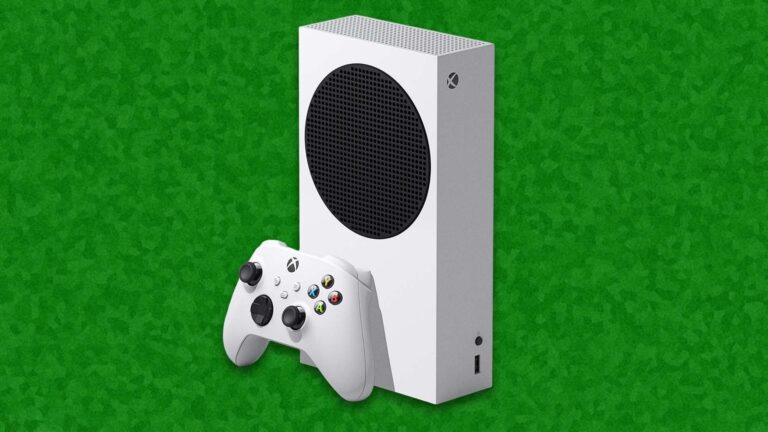
- Tekken producer Katsuhiro Harada said developing for Xbox Series S feels like "extra work for a slightly weaker child" compared to the Series X because teams must optimize the same game for inferior hardware rather than designing around a distinct platform.
- CDPR's Paweł Sasko countered that optimization constraints force cleaner code and lead to technical improvements across all platforms, including PlayStation 5, PC, and handhelds, while the Series S's lower price expands the potential audience.
- The Series S initially dominated Xbox console sales with 75 percent market share in 2022, but by 2024 the Series X had begun outselling it in the U.S., partly due to the Series S price increasing approximately $200 above its original retail cost.
- Multiple developers have cited Series S compatibility as a significant challenge: Baldur's Gate 3's delayed console release, Dune Awakening's port difficulties, and Stellar Blade still remaining absent from Xbox months after its announcement for the platform.
A video game industry panel in Seoul featuring five prominent developers and publisher figures took an unexpectedly candid turn when Tekken producer Katsuhiro Harada voiced frustration about developing for the Xbox Series S. According to reporting from Inven Global, the conversation was moderated by Shuhei Yoshida, former head of Sony’s indie publishing division, and included DongKi Lee (technical director at Stellar Blade studio ShiftUp), Kazutaka Kodaka (Danganronpa series lead), Paweł Sasko (CD Projekt Red associate game director), and Tynan Sylvester (CEO of Rimworld publisher Ludeon Studios).
When Console Development Gets Complicated
Harada’s Moment on Stage
Discussion began with a question about the relative advantages of developing for console versus PC. Harada initially highlighted the consistency that console platforms provide for esports competitions, particularly in fighting games. Then he asked for the floor, aware that a Microsoft representative was present in the audience, to make a point he felt compelled to share: he wished the Xbox Series S had never been released at all.
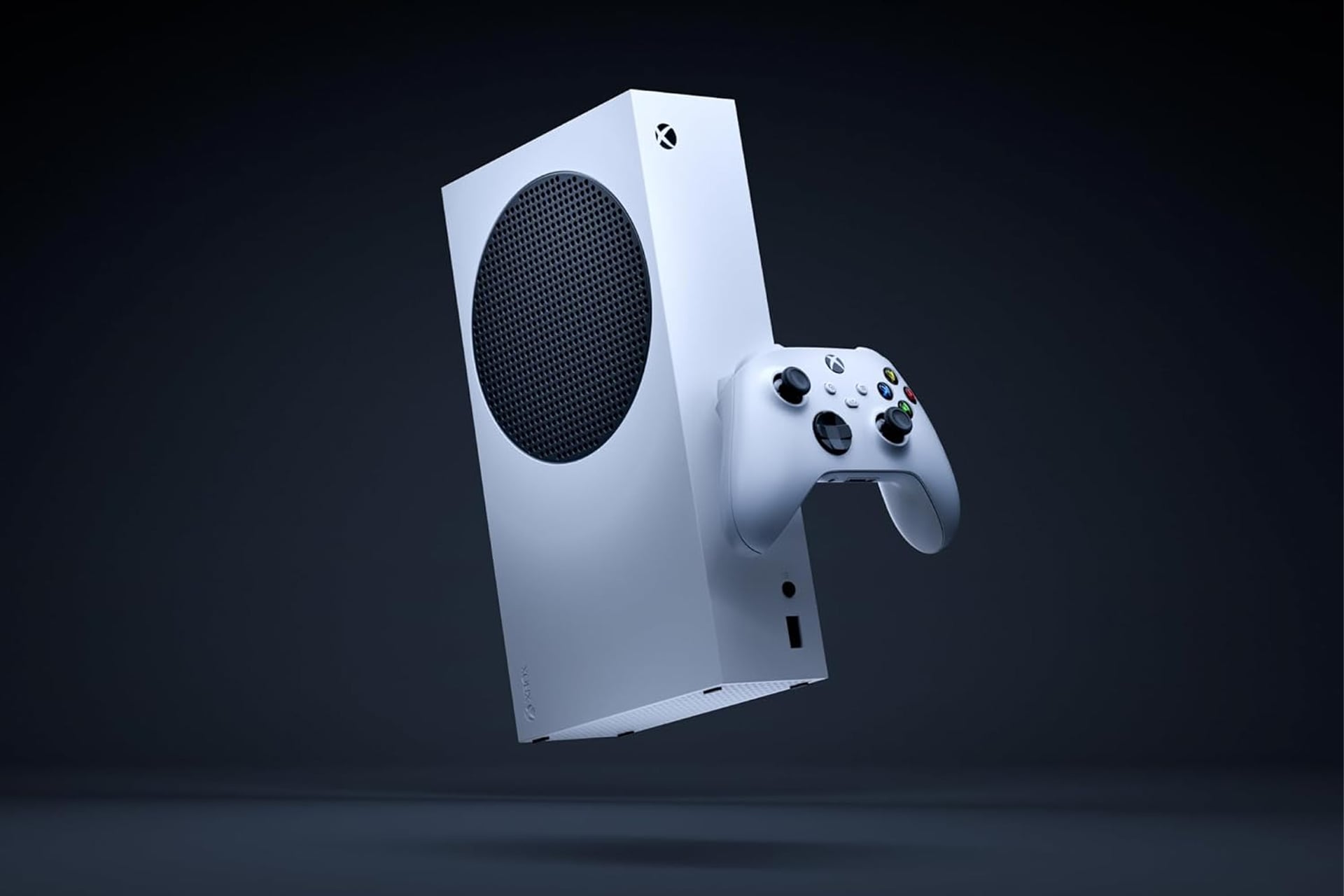
His frustration centered on what he saw as an impossible balance. When developers create games for Nintendo’s Switch 2, Harada explained, they can mentally treat it as an entirely different device with its own design philosophy. The Xbox approach felt fundamentally different and more exhausting. Teams deliver their best work targeting the Series X, and then must dedicate additional resources to squeeze that same game onto substantially weaker hardware, which he described as “extra work for a slightly weaker child.”
Where Blame Gets Assigned
A second layer of frustration came from market geography. In the United States, more players own an Xbox Series S than a Series X, which means developers cannot afford to deprioritize the console or ship compromised versions. Yet when a game displays lower texture resolution or fewer on-screen characters on Series S, users typically direct complaints toward the developers rather than toward Microsoft. Players ask developers point-blank why the resolution changed, treating it as a studio decision rather than a hardware limitation.
The Counter-Argument from CD Projekt Red
Optimization as a Broader Benefit
Paweł Sasko approached the question differently. He acknowledged that the Series S “constantly throws challenges at us and forces us to optimize our code very cleanly.” When Harada suggested Sasko was simply saying the Series S was problematic in diplomatic language, Sasko leaned into the optimization angle more explicitly. CD Projekt Red dedicated a team of 80 to 100 people for over a year to optimization work in preparation for a Switch 2 launch title. Those efficiency improvements were subsequently applied across PlayStation 5, high-end PC versions, and handheld platforms like Steam Deck and ROG Ally, delivering measurable technical improvements to all versions of the game.
Why Affordability Matters
The Series S’s price point represented the real value proposition from Sasko’s perspective. Not every gamer can purchase expensive premium hardware, he noted. From a developer perspective, even if the strict technical constraints were painful, there was genuine benefit in expanding the player base to reach consumers who might otherwise be priced out of the current console generation. The trade-off, strict optimization in exchange for broader market penetration, had tangible commercial merit.
Harada ended the exchange by joking that Sasko had “packaged Series S so gracefully that the Microsoft representative in the audience keeps nodding along.” His concern was that if Microsoft heard such a positive framing without pushback, the company might be encouraged to release a similarly underpowered console in the next generation.
How the Market Shifted
The Xbox Series S launched with substantial advantages in volume and accessibility. The console initially outsold the Series X by a significant margin, driven partly by Series X scarcity in the market. By 2022, the Series S represented nearly 75 percent of all Xbox Series console sales, a dominance that meant studios could not treat the machine as a niche platform that could be deprioritized or cut from release plans.
That volume advantage evaporated over time. By 2024, the Series X had begun outselling the Series S in the United States market, though the S remained a meaningful portion of the overall console base. Complicating the situation was pricing. The Series S originally launched $200 cheaper than the Series X. Its current retail price has climbed approximately $200 above that original price point, reducing the value proposition that once made it an obvious choice for budget-conscious buyers. Xbox attributes the broader decline in console sales to supply constraints, though the pricing and hardware gaps may also be factors.
The Broader Pattern of Developer Complaints
The frustration Harada expressed was not isolated. Baldur’s Gate 3 became a public symbol of Series S challenges when the game’s splitscreen co-op mode proved difficult to implement within the console’s memory constraints, delaying the console release. Funcom’s chief product officer Scott Junior characterized bringing Dune Awakening to Series S as a substantial “challenge,” even though the game eventually shipped on the hardware. Moon Studio head Thomas Mahler publicly attributed delays to Xbox Series S compatibility when No Rest for the Wicked came to Microsoft’s platform.
A particularly telling case involved Stellar Blade from ShiftUp. The game was announced for Xbox but, as of the panel discussion, had still not arrived on any Xbox console. DongKi Lee, ShiftUp’s CTO and a participant in the same panel, did not comment on the delay or its causes. Whether Series S technical difficulties, other porting challenges, or entirely separate business decisions were responsible remained unclear.
What Happens Next
The tension between affordability and performance shows no immediate resolution. Console manufacturers face pressure to keep entry prices accessible while also delivering hardware powerful enough to compete with PC and capture players’ interest. Developers, caught between those competing demands, must either invest the resources Sasko described or accept that their games will run meaningfully different across the lineup.
Sasko’s framing of optimization as a technical benefit to all platforms carried merit and reflected genuine development outcomes. His point about market accessibility had commercial validity as well. Yet Harada’s underlying frustration remained grounded in economics: a developer could pour substantial effort into supporting a console that players ultimately do not blame Microsoft for choosing.
Source: Kotaku
Frequently Asked Questions
Why did Katsuhiro Harada specifically criticize the Xbox Series S?
Harada said the Series S presents technical challenges due to lower memory and performance, but the core frustration is that it remains similar enough to the Series X that developers cannot reframe it as a fundamentally different platform. Instead of designing for distinct hardware, studios must deliver the same game twice, and when Series S players encounter lower texture quality or fewer on-screen characters, they blame developers rather than Microsoft.
What was Paweł Sasko's response to Harada's criticism?
Sasko argued that optimizing for lower-spec hardware forces developers to write cleaner code that benefits all versions, including PS5, high-end PCs, and handheld platforms. He also emphasized the Series S's affordability allows games to reach players who cannot purchase premium hardware, expanding market penetration even within strict technical constraints.
Is the Xbox Series S still more popular than the Series X?
No. In 2022, the Series S represented 75 percent of Xbox Series console sales, but by 2024 the Series X had begun outselling it in the United States market. The Series S remains a significant portion of the installed base that developers cannot ignore, though its current price sits approximately $200 above its original retail cost, reducing its value advantage.
