
Key takeaways
- Wuyang and Juno's confirmed romance in Overwatch sparked fan art protests from players disappointed by the pairing choice.
- All canonical queer relationships involve at least one NPC, while recent straight pairings connect playable heroes with one another.
- The pattern of segregating queer romance to external media raises questions about narrative equality in how the game treats different relationships.
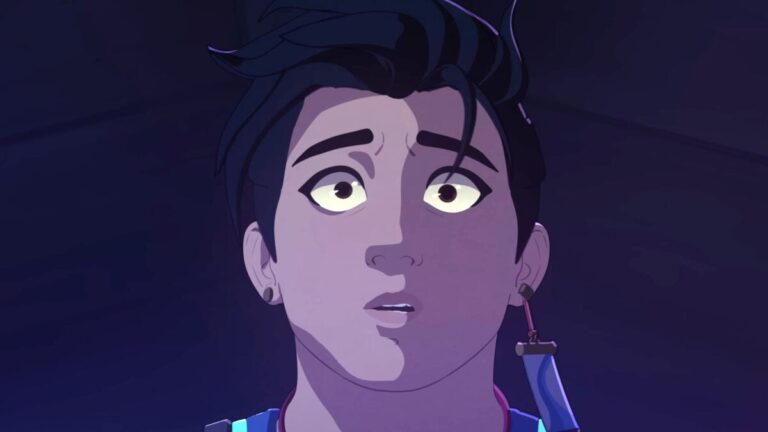
The Overwatch Undivided web comic series has become the primary venue for the hero shooter’s narrative expansion beyond cinematics and audio dramas, with recent issues focusing on relationship-building among the game’s newest generation of agents. This month’s issue confirmed months of speculation by establishing that Wuyang, a water-bending support character, has developed romantic feelings for Juno, a Martian character who has recently joined Overwatch’s roster. The confirmation that these two playable heroes are romantically involved prompted significant backlash from a portion of the player community.
The response to Wuyang and Juno’s officially confirmed romance extended beyond typical disappointment over an unpreferred pairing. It highlighted a structural pattern in how Overwatch establishes romantic relationships across its cast, one that separates the treatment of heterosexual pairings from those involving queer characters. As the game continues to expand its roster of LGBTQ+ characters with voice lines and cosmetics that make their identities visible during gameplay, their romantic storylines remain confined to external media—creating a distinction that has become increasingly difficult to ignore.
The Undivided Revelation
The confirmation of Wuyang’s romantic feelings for Juno arrived in the most recent Undivided installment as a resolution to months of fan speculation. Both characters joined Overwatch’s active roster in recent seasons, positioning them as young agents adapting to their new roles and responsibilities. The comic presented their romance as a connection forged through shared experience and mutual support as both learned to navigate being heroes, contrasting with many of Overwatch’s other established pairings, which carry decades of history or unresolved conflict that requires narrative processing.
For readers invested in a straightforward, contemporary love story between two characters learning their roles together, the confirmation provided satisfying narrative closure. For another segment of the community, however, it represented a different kind of conclusion—one that shut down alternative possibilities they had anticipated.
The Fan Art Uprising
Before Undivided’s official confirmation, fan communities had spent considerable time theorizing that Wuyang might develop romantic feelings for Mizuki, another young agent who recently joined Overwatch. Mizuki, an ex-Hashimoto operative, shares positioning with Wuyang as a relatively new team member, and the two characters’ similar generational status fueled months of fan speculation and creative engagement around the possibility of a romantic dynamic between them.
Pre-Confirmation Expectations
The lack of explicit romantic attachments for either character prior to Undivided’s announcement left narrative space for community imagination. Fan art depicting Mizuki and Wuyang as a romantic pairing circulated regularly before the official revelation, with community members building on the characters’ existing interactions and shared circumstances to construct a compelling alternative narrative.
The Creative Response
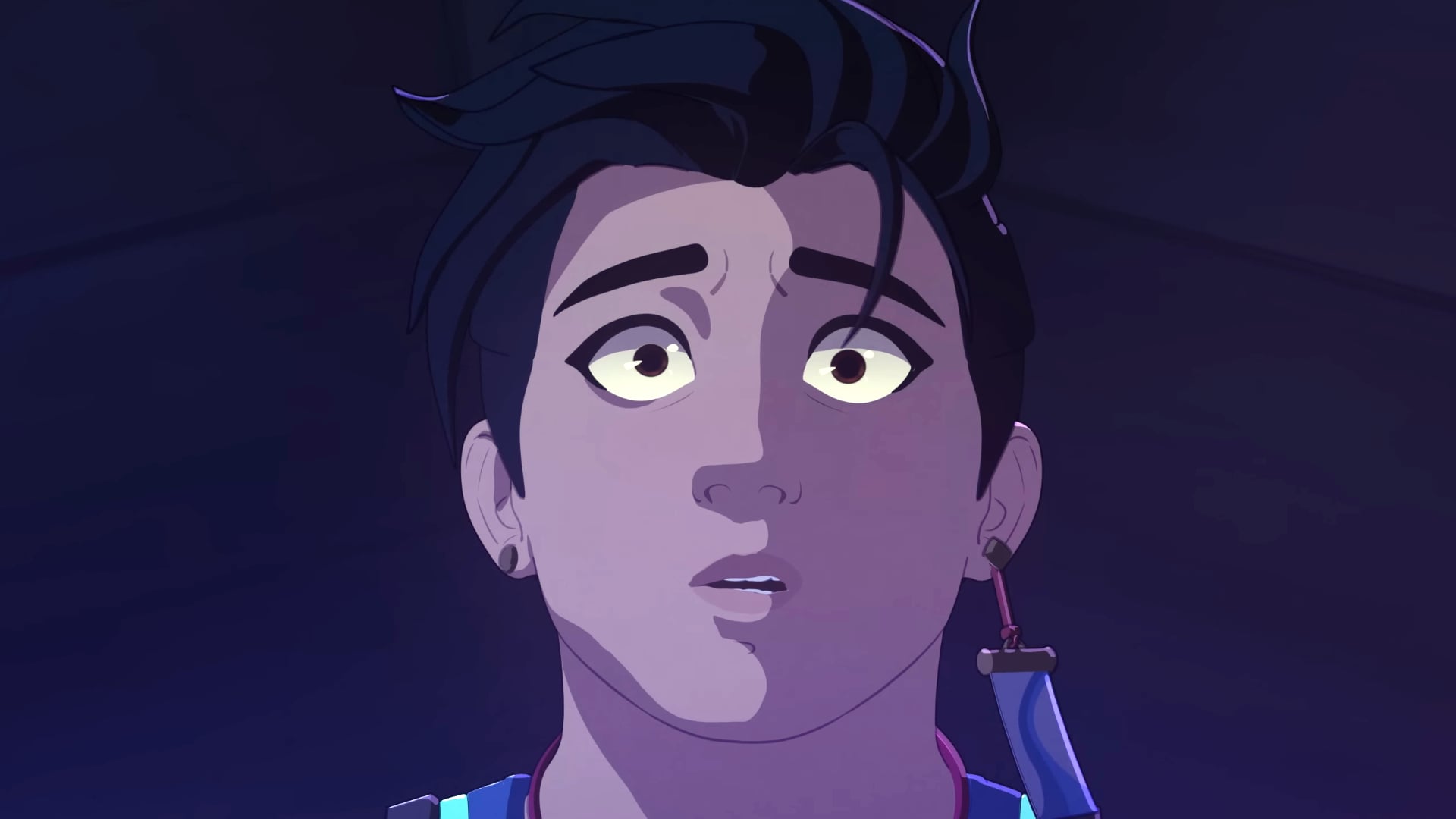
When the comic confirmed Wuyang’s romantic feelings for Juno instead, the disappointed shipping community responded through coordinated fan art production. Multiple artists produced work depicting the Mizuki-Wuyang pairing they had hoped to see canonically confirmed, with some explicitly framing their contributions as responses to the official romantic reveal. The wave of alternative fan art that followed represented not isolated individual disappointment, but an organized creative reaction demonstrating substantial player investment in a narrative direction the developers had rejected.
Broader Community Frustration
The fan response extended beyond shipping preference, connecting instead to a larger frustration about how Overwatch approaches romantic relationships across its cast. The scaling up of canonical straight pairings between playable heroes—presented as a significant new direction for the game’s narrative—threw into stark relief the treatment of queer character relationships, which occupy a separate categorical space within the game’s storytelling infrastructure.
The Architecture of Queer Representation
The Wuyang and Juno romance arrived within a specific context: the game’s recent expansion of canonical straight romantic relationships that exist between playable heroes themselves. Reinhardt and Ana represent a pairing with decades of shared history. Freja and Emre’s connection positions both as active agents within Overwatch’s current operational structure. These relationships exist within the primary narrative space inhabited by the game’s playable cast.
Every confirmed romantic relationship involving queer characters, by contrast, connects at least one playable hero to a character who exists solely within Overwatch’s external media ecosystem. These NPCs appear in Undivided comics, animated cinematics, or story-mode audio dramas—content that players can choose to engage with or bypass entirely. While voice lines and cosmetics make queer character identities unavoidable during typical gameplay, their romantic relationships remain segregated from interactive play.
The Pattern in Practice
This distinction becomes functionally significant when comparing narrative visibility. A straight romantic pairing between two playable heroes influences how players engage with those characters during matches. Their relationship context becomes part of the mechanical experience. Queer relationships, anchored to NPCs, remain confined to optional external consumption, creating a separation between how different categories of romantic storylines integrate into the player’s experience.
The Lifeweaver Precedent
The most direct illustration of this pattern involves Lifeweaver, a support hero whose romantic future had been the subject of extended fan speculation. Community members theorized for years that Lifeweaver and Baptiste—another support character—might eventually develop a canonical romantic relationship, particularly after Baptiste was confirmed as bisexual during Overwatch’s first Pride event in 2023. In-game voice lines between the two characters included flirtatious exchange, providing textual support for fan theories about an eventual romantic connection.
When Lifeweaver’s romantic storyline finally materialized during the annual Pride event earlier this year, developers announced that he had become involved with Palak, his personal assistant. Palak exists exclusively as an NPC, appearing only in external media. This decision meant that despite years of community speculation and textual hints pointing toward a potential Baptiste-Lifeweaver romance, the game’s developers instead connected its only playable queer support character to someone who never appears in actual gameplay.
The Straight Pairing Acceleration
This recent wave of canonical relationships has notably shifted toward establishing romance between playable heroes themselves. Where earlier narrative eras focused on singular character arcs or longstanding histories requiring resolution, Overwatch has begun mapping out contemporary romantic connections within its active roster. The timing and scale of this heterosexual romance expansion creates significant contrast against the segregated treatment of queer relationships.
Visibility Without Equality
Overwatch has genuinely expanded its roster of explicitly queer characters across recent seasons, and voice lines, cosmetics, and character interactions make those identities impossible to ignore during typical play. The identity aspects of queer character representation have achieved genuine in-game presence. Yet when romantic relationships become the metric, that representation shifts into a different framework: optional, external, and fundamentally separated from interactive experience.
Whether this structure reflects deliberate creative strategy, structural limitation, or something approaching avoidance remains the underlying tension animating fan responses to recent relationship confirmations. The pattern itself, however, has become impossible to overlook.
Frequently Asked Questions
What is Overwatch Undivided?
Overwatch Undivided is a web comic series that explores relationships and backstories for the game's heroes, with recent issues focusing on the newer generation of agents adapting to their roles within the organization and developing connections with one another.
Why did Wuyang and Mizuki fans protest the Juno pairing?
Community members had spent months shipping Wuyang and Mizuki, another young male agent, based on their similar generational status within Overwatch. When Undivided confirmed Wuyang's romantic feelings for Juno instead, disappointed fans responded with coordinated fan art.
How does Overwatch handle queer character relationships differently?
All confirmed romantic relationships involving queer characters connect a playable hero to an NPC who exists only in external media like comics or cinematics. By contrast, recent straight relationships like Reinhardt-Ana and Wuyang-Juno connect two playable heroes.
