
Key takeaways
- Nvidia CEO Huang arranged for Trump to call the All-In Summit on-stage to declare AI concerns "a hoax" and defend data center expansion, in direct response to Anthropic CEO Dario Amodei's essay calling for AI regulation.
- Nvidia stock fell 5.6 percent and RAM supplier stocks also declined in the five days following Amodei's regulatory proposal, showing investor concern about constraints on AI investment velocity.
- High-end GPU prices have reached astronomical levels in retail channels due to sustained data center demand pulling inventory from consumer gaming markets, a direct consequence of Nvidia's shifted business priorities.
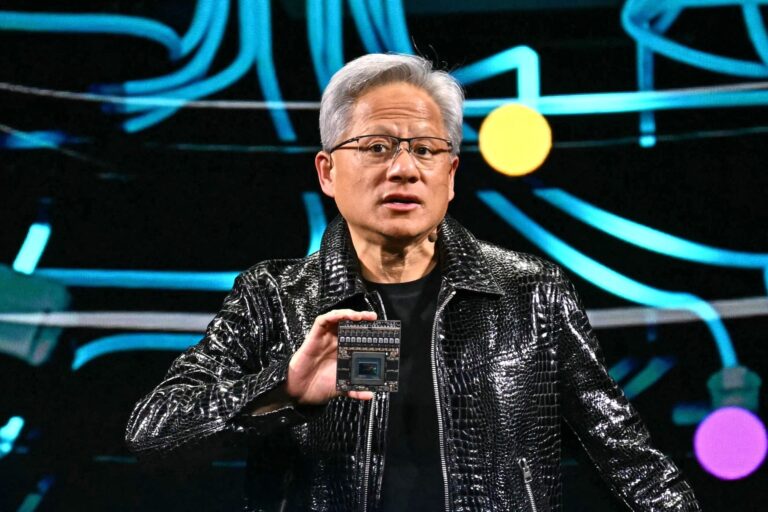
At the All-In Summit in Los Angeles, Nvidia CEO Jensen Huang made an unusual move to shore up confidence in the AI industry: he handed a microphone to Donald Trump during an on-stage discussion and asked the president to reassure a crowd of investors and tech executives that artificial intelligence was not, in his words, “a hoax.” Trump obliged, declaring that data centers were “great” and would be “the oil of the next 20, 25 years.” The moment encapsulated both the desperation and the financial calculus now driving the AI boom—a boom that directly affects GPU availability and pricing for gamers, even as the industry’s leadership scrambles to counter mounting skepticism.
Amodei’s Essay and the Regulatory Pressure
The All-In Summit appearance came in direct response to a blog post published the previous Saturday by Dario Amodei, CEO and co-founder of Anthropic. In “We Must Pace the Frontier,” Amodei called for tighter regulations on AI development, placing limits “on the rate of unchecked AI progress” and proposing a ban on selling “powerful AI chips or semiconductor manufacturing equipment to China.” The essay was notable not just for its content but for who endorsed it: both Elon Musk and Sam Altman of OpenAI lent their names to Amodei’s case for AI oversight.
Industry Leaders Break Ranks
That three major figures in the AI space would simultaneously call for restraint marked a significant shift in the public messaging around artificial intelligence. Previously, industry boosters had dominated headlines with promises of revolutionary breakthroughs and boundless economic returns. Amodei’s intervention suggested that even those profiting most from AI expansion were acknowledging risks that required regulation, coordination, and possibly reduced investment velocity. The timing of this consensus proved problematic for those whose fortunes depend on accelerating AI development.

The Trump Reassurance and Its Purpose
When Huang called Trump to the microphone on Monday—just two days after Amodei’s essay went public—he sought to neutralize the regulatory pressure with a powerful political endorsement. Trump characterized concerns about AI as conspiratorial, stating “the AI… it’s almost a conspiracy, and the happiest group is China.” He declared the worries “a hoax” while emphasizing that data centers and AI infrastructure would generate wealth for people and states alike. “It’s bigger than the internet,” Trump told the assembled crowd, framing AI advancement as both inevitable and essential to American competitiveness.
A Transparent Appeal to Market Confidence
The staging was deliberate and unambiguous. Huang had prefaced his call to Trump with effusive praise, telling the president that executives were “all just really grateful” for his willingness to see through the “complexity” of the AI debate. The four hosts of the All-In podcast amplified the moment by laughing enthusiastically at Trump’s remarks. The entire production served a single purpose: to provide political cover for continued acceleration of AI investment by having a sitting president declare that fears about AI posed no genuine threat.
The Financial Stakes Behind the Performance
Understanding the urgency behind this stunt requires examining the money at stake. Approximately $31.6 trillion has been invested globally in building data centers to support AI infrastructure. Trump himself has invested over $6 million in constructing data centers in 2026 alone, according to public financial disclosures—making him a material stakeholder in the industry’s continued expansion.
Huang’s own interests align even more directly. Nvidia manufactures the GPUs that data centers require for computational power, a factor that has driven the company’s market capitalization to $5.1 trillion. The more advanced AI becomes, the greater the demand for Nvidia’s hardware. Each generation of AI development translates into demand for newer, more powerful processors, which generates revenue for Nvidia and justifies higher valuations for its stock. A genuine slowdown in AI development would not merely reduce short-term profits; it could trigger a collapse of the debt-financed data center infrastructure that underpins current valuations.
Market Reaction Tells the Real Story
The timing of the Trump call proved significant not just for political reasons but for market performance. Amodei’s blog post was published on Saturday. Huang’s All-In Summit appearance occurred on Monday. Within five days, Nvidia’s stock had declined 5.6 percent. The stocks of the three largest RAM suppliers experienced similar drops. These declines reflect investor unease about regulatory scenarios that could slow or constrain AI spending—precisely the outcome Huang sought to prevent by arranging Trump’s remarks.
GPU Pricing and Consumer Impact
While the corporate and political machinations played out on stage in Los Angeles, real-world consequences were already visible in retail channels. Top-end GPUs have reached astronomical prices even in large retail stores, a direct result of sustained data center demand pulling inventory away from consumer markets. This pricing surge affects not only gamers building new systems but also gaming content creators and streamers who rely on consistent GPU access for their work.
Competing Demands for Nvidia’s Production Capacity
The core tension is straightforward: every GPU Nvidia directs toward data center customers is a GPU unavailable for gaming systems. Nvidia’s business priorities have shifted decisively toward AI and enterprise infrastructure, where margins and volumes justify production allocation. Consumer gaming, traditionally a significant revenue stream for the company, now competes for manufacturing capacity against data center orders that promise far larger scale. The result is constrained gaming GPU supply and persistently elevated prices for consumers.
Collateral Impacts: Twitch and Gaming AI
Beyond hardware costs, AI regulation questions directly affect the gaming sector’s AI applications. Twitch is currently testing an AI-powered stream coach designed to offer creators suggestions for improving their channels. These tools exist because of the same AI infrastructure and regulatory environment that Amodei was calling to scrutinize. If regulations tighten as Amodei proposed, the pace of AI feature rollouts across gaming platforms could slow considerably, alongside potential increases in deployment costs that would be passed to creators.
What Happens Next
The All-In Summit performance succeeded in its immediate objective: providing high-profile political reassurance to an audience of AI investors and executives concerned about regulatory headwinds. Whether such reassurance proves durable depends on broader political and market developments in the coming months. Amodei’s call for regulation has not disappeared; Trump’s words, however forceful, carry weight only so long as they remain aligned with actual policy.
For gamers and gaming industry participants, the significance lies in what this moment reveals about priorities within the technology sector. The willingness of industry leaders to deploy a president’s political authority to defend against regulatory scrutiny demonstrates how central data center expansion and AI development have become to corporate strategy—and how willing major players are to protect that expansion, even at the cost of consumer GPU availability and pricing.
Frequently Asked Questions
Why did Nvidia CEO Huang call Trump during the All-In Summit?
Huang sought to secure Trump's political endorsement against mounting concerns about AI regulation, particularly following Dario Amodei's recent essay calling for tighter AI controls. Trump declared concerns about AI "a hoax" and stated data centers were "great," providing reassurance to investors worried about regulatory headwinds.
What did Dario Amodei propose in his blog post?
Amodei, CEO of Anthropic, published "We Must Pace the Frontier," calling for tighter regulations on AI development, limits on the rate of unchecked AI progress, and a ban on selling powerful AI chips and semiconductor manufacturing equipment to China. The essay was endorsed by Elon Musk and Sam Altman.
How does AI investment and regulation affect GPU prices for gamers?
Data center orders for AI infrastructure now consume a larger share of Nvidia's GPU production, constraining supply available for consumer gaming systems. This reduced consumer inventory and Nvidia's shifted business priorities toward data center customers have driven top-end GPU prices to astronomical levels in retail stores.
