
Key takeaways
- Heart Machine laid off nearly all staff on September 16 after a publisher canceled funding for an unannounced game.
- Hyper Light Breaker and Possessor(s) failed to gain commercial traction, leaving the studio financially vulnerable despite Hyper Light Drifter's 2016 success.
- Studio founder Alx Preston expressed uncertainty whether Heart Machine can survive, reflecting broader pressures on independent developers.
Heart Machine, the developer behind the 2016 cult classic Hyper Light Drifter, faces existential uncertainty after a funding collapse forced the studio to eliminate most of its workforce this week.
Studio founder and head Alx Preston announced the layoffs via LinkedIn on September 16, revealing that the studio’s financial lifeline—a publishing agreement for an unannounced game—had just evaporated. “We had been working on an unannounced title, funded by a publisher,” Preston wrote. “This week, the publisher decided to no longer move forward with it. Without this key income for the studio, any other immediate prospects or other funds, nearly everyone at the studio had to be laid off.”
The announcement marks a significant moment for a studio that once delivered one of the indie scene’s most beloved titles. Preston acknowledged the gravity of the situation: “I’m not sure yet how or if Heart Machine survives. Navigating an increasingly challenging industry has been extremely difficult. However, we’ll keep pushing to build a path.”
Heart Machine promised affected employees maximum support through the transition, including help securing new positions. Preston appealed to the industry for assistance: “If you know of any roles for extraordinarily talented, kind people, please reach out and we will coordinate.”
The Rise That Made Heart Machine a Name
Defining a Studio with One Game
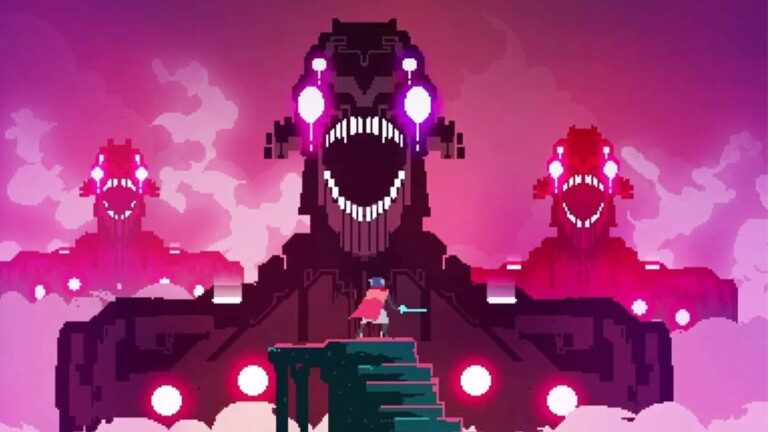
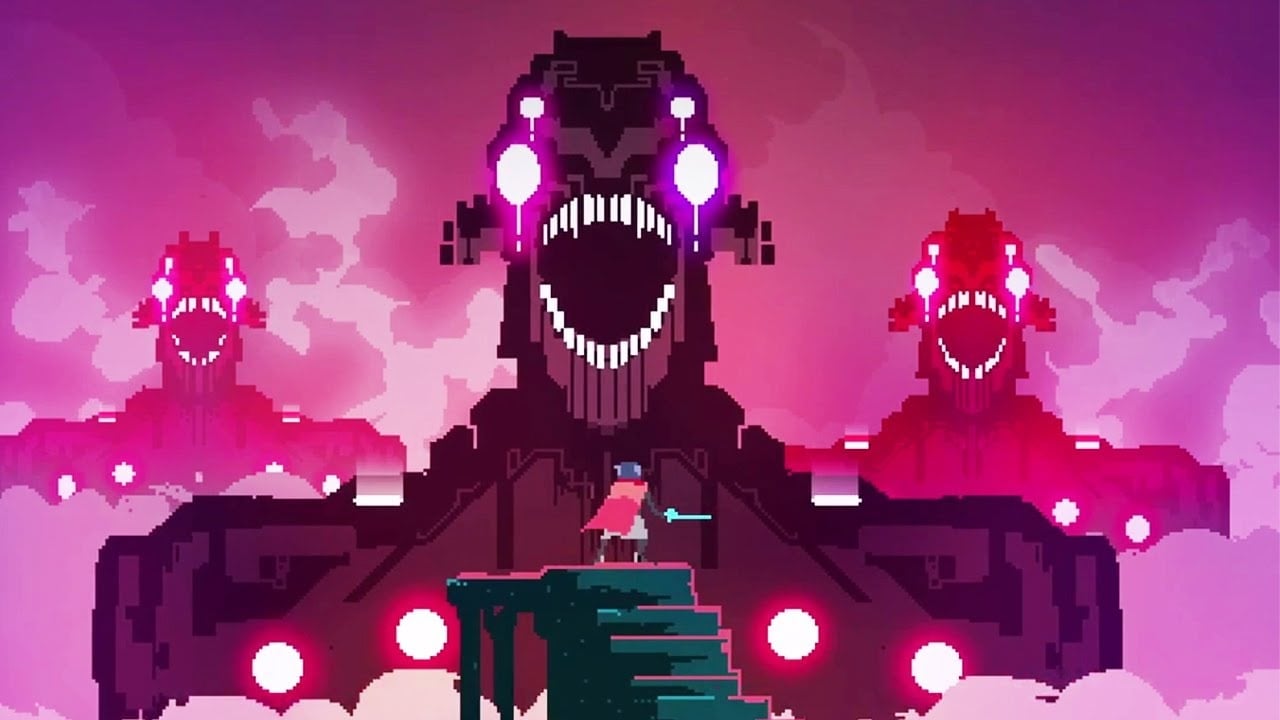
Hyper Light Drifter’s 2016 release established Heart Machine as a studio with distinctive creative vision. The game’s retro pixel-art aesthetic paired with top-down environmental storytelling and a critically praised soundtrack created an experience that resonated deeply with players and critics alike. The title became a benchmark for independent game design—proof that small teams could craft experiences with the polish and artistic integrity of much larger studios.
Evolution Without Losing Identity
Solar Ash, the studio’s follow-up, showed ambition to evolve beyond its debut success. Shifting to three-dimensional space, the game demonstrated Heart Machine’s willingness to explore new technical territory while maintaining the atmospheric, exploration-focused design that defined its earlier work. Platforming mechanics and visual intrigue marked Solar Ash as a confident step forward from the pixel-art origins.
The Growing Gap
Yet between Solar Ash and the crises of recent years lay a growing gap in the market’s reception to the studio’s output.
When Momentum Stalled
Hyper Light Breaker arrived in 2024 as a roguelite action-RPG with loot-based progression, a structural departure from Heart Machine’s established approach. The game failed to capture the critical or commercial enthusiasm its predecessors had generated and languished in Early Access without achieving the breakthrough its developers had likely hoped for. The title never developed the momentum needed to become a sustainable project.
The studio’s situation grew more precarious with each subsequent release. Possessor(s), released in the years following Breaker, was positioned as a side-scrolling Metroidvania but arrived saddled with control issues that felt unpolished. Player feedback consistently pointed to rushed development, and the game never found its footing in a crowded indie market.
The cumulative effect of these underperforming releases—combined with a maturing marketplace that had become harder for even established indie names to navigate—pushed Heart Machine toward financial instability.
The Road to Collapse
Warning signs had appeared before this week’s announcement. Heart Machine initiated layoffs beginning in late 2024, signaling financial strain even as the studio continued development on other projects. Earlier this year, the studio pivoted toward direct community support through Patreon, a move typically undertaken when traditional publishing and sales channels prove insufficient. That experiment lasted only briefly before shutting down, leaving the studio increasingly dependent on external funding.
The now-defunct publishing agreement appears to have been Heart Machine’s primary lever for survival. Without it—and without sufficient alternative revenue or investment lined up—the studio had no realistic path forward. The swift decision to lay off nearly the entire workforce suggests the financial situation offered no middle ground or runway for extended negotiation.
Uncertainty Ahead
What happens to Heart Machine now remains an open question. Preston’s cautious language—stating he was unsure whether the studio would survive at all—underscores how dire the circumstances have become. The studio retains its founder and some skeleton crew, suggesting a formal closure hasn’t been announced. However, the loss of nearly all staff makes active game development extremely difficult unless new funding or publishing partnerships materialize quickly.
The collapse of Heart Machine’s prospects reflects broader pressures on independent developers. Even studios with proven critical success and a fanbase struggle when market conditions shift or when sequential releases fail to generate sufficient revenue. The gap between creating one beloved game and sustaining a viable studio across multiple title cycles has widened considerably in recent years.
Preston’s appeal for job placements and industry support suggests Heart Machine’s employees—described as “extraordinarily talented, kind people”—remain the studio’s most immediate asset. Whether those individuals can find new homes in an industry simultaneously shedding jobs elsewhere, or whether the studio itself might reorganize under new circumstances, remains to be determined.
For now, Heart Machine’s future hangs in the balance between the goodwill its past work earned and the harsh commercial reality facing independent game studios in 2026.
Frequently Asked Questions
What triggered Heart Machine's layoffs?
A publisher canceled funding for an unannounced title Heart Machine had been developing. Without that key income and no other funding sources, the studio laid off nearly all its staff.
What games did Heart Machine create?
Heart Machine created Hyper Light Drifter (2016), Solar Ash, Hyper Light Breaker (2024), and Possessor(s), a side-scrolling Metroidvania.
Has Heart Machine officially closed?
Studio head Alx Preston stated on September 16 that he is "not sure yet how or if Heart Machine survives," leaving the studio's fate uncertain as of the announcement.
