
Key takeaways
- Blizzard cancels plans for annual expansions despite promising them in 2023, ending major content drops after Lord of Hatred.
- Seasonal content replaces expansions, with the Amazon class coming in the first half of 2027 as an example of the new release model.
- The century-long narrative gap to Diablo 5 allows Blizzard to shape story development based on fan reactions to seasonal updates.
Blizzard has confirmed that Diablo 4’s era of major expansions has concluded. The action-RPG, which launched in 2023 and has received two expansions to date, will not get additional standalone content releases. Instead, the developer is channeling focus toward seasonal storytelling for the current game while building momentum for Diablo 5’s arrival in spring 2029.
The Expansion Model Ends
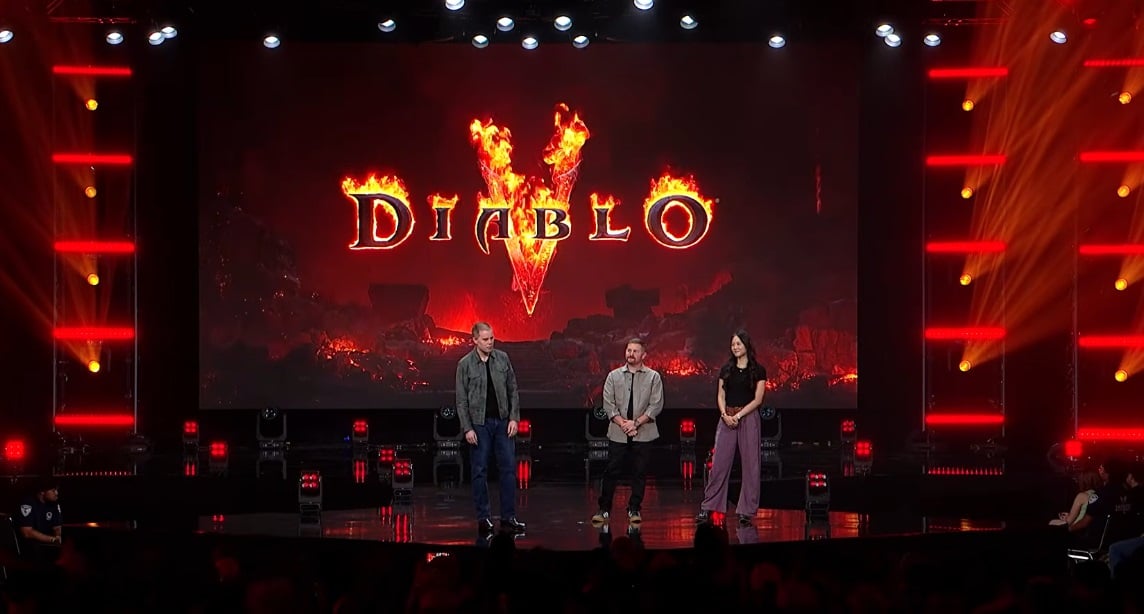
Brent Gibson, the game’s director, explained the strategic shift during an interview at BlizzCon 2026. “We’re all focused on seasons and getting to Diablo 5,” he said, signaling a clear pivot away from the annual expansion roadmap that Blizzard had previously outlined. The current expansion, Lord of Hatred, represents the finale of the narrative arc established at Diablo 4’s release, concluding what the team calls the Story of Hatred through the campaign against Mephisto.
From Annual Drops to Seasonal Rotation
This marks a departure from earlier messaging. In 2023, franchise director Rod Ferguson had positioned Diablo 4 as a platform for sustained content, stating that “quarterly seasons and annual expansions are the things we’re really focused on for our live service.” The studio had drawn comparisons to long-term support models for games like Destiny 2, suggesting players could expect major releases on a yearly cadence.
The decision to abandon large expansions signals Blizzard’s confidence that seasonal content can sustain player engagement without the need for full-scale story chapters. Seasonal releases typically include new quests, cosmetics, balance adjustments, and time-limited gameplay, but operate within the existing framework rather than introducing entirely new regions or campaigns.
Diablo 4 Continues—But Not Indefinitely
Seasonal storytelling will remain the primary vehicle for new narrative material in Diablo 4. The studio has already mapped out new content for the near term, including the arrival of the Amazon class in the first half of 2027. This addition will expand the playable roster while maintaining the seasonal release structure.
The Timeline Until Diablo 5
Gibson acknowledged that the gap between Diablo 4’s current content and Diablo 5’s 2029 debut provides room for meaningful seasonal developments. The space of three years allows Blizzard to explore story threads and character arcs before the franchise pivots to its next major installment. Fans can expect multiple seasons of content, though these will be incremental rather than transformative.
The studio has precedent for extended post-launch support. Diablo 2: Resurrected, which remains under active development, recently introduced a new Warlock class, demonstrating that older titles in the franchise can continue receiving meaningful updates even after their sequels have launched. However, Gibson did not confirm whether Diablo 4 would receive similar long-term support after Diablo 5 releases, suggesting that dual-track seasonal content for both games simultaneously is unlikely.
The Amazon Class and Beyond
The Amazon’s arrival in 2027 will be the most substantial class addition since Diablo 4’s launch. With the niche of expansions now closed, character class releases may become the primary vehicle for mechanical depth and playstyle variety in the remaining years before the next sequel.
The Story Arc Resolves
Lord of Hatred marked the completion of a narrative chapter, not the end of storytelling altogether. The campaign culminated in Mephisto’s defeat, providing what Gibson described as a “great conclusion” to the first major story cycle. The team’s terminology—distinguishing between the “Story of Hatred” and the incoming “Story of Terror”—suggests a deliberate structuring of narrative beats, each tied to a specific chapter or expansion.
This resolution allowed Blizzard to close the loop on Diablo 4’s original premise without leaving major threads hanging. The storyline had a beginning, middle, and end, and the choice to cap expansions comes after that structure was complete rather than mid-narrative.
Diablo 5: A Century Forward
Diablo 5’s plot jumps 100 years ahead, placing Sanctuary—the franchise’s central setting—in what Blizzard describes as the end times. This temporal gap creates both narrative flexibility and justification for why the current game’s story threads don’t require ongoing expansion-level content.
Building Continuity Across the Gap
Gibson explained the reasoning: “The events of Diablo 5 happen 100 years after everything that’s happening with Diablo 4, and so that gives us a lot of room to kind of still ride the wave with all the fans on where the story can go as we make our way there.” The phrasing suggests that seasonal content in Diablo 4 between now and 2029 will serve as stepping stones toward the next game’s themes rather than standalone stories.
Fans as Narrative Input
Blizzard has indicated it will gauge fan reactions to seasonal developments, allowing player feedback to inform how the bridge between games takes shape. Gibson stated that “continuity is something that we’re really excited about, but we don’t necessarily have a perfect picture on exactly where that’s going to go because we want to see how fans are reacting season to season.” This approach treats seasons as both entertainment and iterative world-building, adjusting the narrative trajectory based on community engagement.
A Shift in Live-Service Strategy
The move away from annual expansions reflects strategic recalibration in how Blizzard manages Diablo 4 as a live service. While the 2023 roadmap emphasized quarterly seasons and annual expansions, the new approach replaces major expansion packages with seasonal storytelling.
This focus allows the next game’s development to proceed as Diablo 5’s 2029 launch window approaches. The three-year window between Lord of Hatred and Diablo 5’s release creates space for seasonal developments in the current game.
Precedent exists for extended support: Diablo 2: Resurrected continues receiving updates despite its age, most recently adding a Warlock class. However, Gibson did not clarify whether Diablo 4 would maintain similar long-term support after Diablo 5 launches, suggesting simultaneous dual-game seasonal operations are unlikely.
Frequently Asked Questions
When will Diablo 5 release?
Diablo 5 is scheduled for spring 2029. It takes place 100 years after the events of Diablo 4 and will focus on Sanctuary in the end times.
Will Diablo 4 continue to receive content after expansions end?
Yes, Blizzard will continue providing seasonal content for Diablo 4 until Diablo 5 launches. The Amazon class is scheduled to arrive in the first half of 2027.
Why is Blizzard ending annual expansions for Diablo 4?
Game director Brent Gibson stated that the team has completed the Story of Hatred narrative arc with Lord of Hatred and is focused on developing Diablo 5 while maintaining engagement through seasonal stories.
