
Key takeaways
- Argentinian developer DarioSamo publicly denounced an AI-generated Banjo-Tooie port for lacking disclosure and undercutting years of human-led decompilation work.
- AI-assisted projects create buggy, untested ports that overshadow quality efforts while implementing improper patching systems that make long-term modding impossible.
- The decompilation community is establishing clearer standards, with developers curating lists of verified human-made ports to counter the proliferation of low-quality AI alternatives.
The fan decompilation community that has spent years carefully reverse-engineering Nintendo 64 classics for modern PC ports is facing an unexpected threat from within: a wave of AI-generated alternatives that prioritize speed over accuracy.
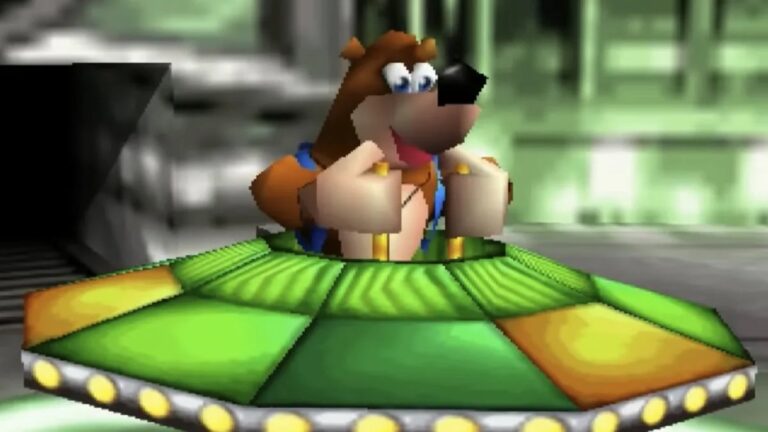
The conflict came to a head last week when an AI-assisted port of Banjo-Tooie emerged online, triggering backlash from developers who have built the N64 decompilation scene on meticulous, human-centered methodology. The project, Banjo-Tooie Recompiled, was shared via the YouTube channel Video Game Esoterica without clear disclosure of its AI-generated nature.
That lack of transparency sparked frustration from DarioSamo, an Argentinian software developer who led human-made efforts on the previous Banjo-Kazooie Recompiled port. On October 1, DarioSamo took to social media to establish a clear boundary between his team’s work and the AI version.
“The Banjo-Tooie Recompilation is NOT associated with us,” he wrote. “It is entirely AI-generated. Both Zelda: Recompiled and Banjo: Recompiled have very clear No AI stances. We have not, do not and will not use AI to ever work on these projects.”
The Dividing Line Between Projects
DarioSamo emphasized that his group had already committed to producing its own Banjo-Tooie port eventually, through traditional decompilation rather than the shortcut of AI assistance. The distinction matters because the technical and ethical implications run deep within the community. He criticized the competing AI project on multiple grounds, framing it as a challenge to the established values of the decompilation scene.
What separates human-made from AI-generated decompilations
The human-led projects like Zelda: Recompiled and Banjo: Recompiled rely on weeks or months of reverse-engineering effort: studying the original machine code, identifying functions, and translating them into modern programming languages with accuracy and understanding. AI-generated alternatives skip this process entirely, using “vibe coding” to generate approximate code that might compile and run but lacks the foundational correctness of hand-crafted work.
DarioSamo’s objections to the AI approach
DarioSamo highlighted a critical technical flaw in the Banjo-Tooie Recompiled approach: it ignores the existing patching system that the human community has developed. Instead, it patches all recompiled code and memory from the wrong point in the pipeline, making future modifications problematic. “Using the extensive amount of human research we’ve done for the framework, the renderer and the games themselves and throwing AI at it is just disrespectful,” he argued.
The Quality Problem: Slopcomps on the Rise
As AI tools have become more accessible, an influx of low-quality decompilation attempts has flooded the scene. These projects, sometimes called “slopcomps,” prioritize rapid output over functional accuracy, leaving players with buggy, untested ports that lack polish. The problem has become so widespread that community members felt compelled to create curated lists of legitimate decomp work to help others distinguish genuine efforts from hastily generated alternatives.
Creating a guide to reliable ports
FunkyLion, an X user deeply involved in the decompilation community, responded to the proliferation of AI projects by assembling a growing list of verified human-made decomps and recomps. The list serves as a reference point for players seeking stable, quality ports rather than broken versions that crash or fail to function properly. FunkyLion wrote: “Now we’re in the mid-2020s, and AI has gotten a hold of everything, with people that have little to NO programming experience porting games completely untested, leading to a wave of buggy AI ports of games that are completely broken.”
The overshadowing effect
Beyond the technical failures, community members worry that the flood of slopcomps creates noise that drowns out genuine efforts. “The sad part is, they overshadow the quality work of decomps/recomps done by actual people,” FunkyLion noted. Developers who have invested hundreds of hours crafting reliable ports watch as untested AI alternatives attract attention simply by existing, even when those projects deliver inferior results.
Modding and Maintainability Concerns
One of the most damaging aspects of AI-generated decompilations extends beyond initial playability into long-term maintainability. The way AI projects structure their code directly impacts the ability of the broader community to build upon, modify, or fix issues with these ports over time.
Why the patching architecture matters
DarioSamo’s criticism of Banjo-Tooie Recompiled centered on its improper patching system. By applying patches to the wrong layer of the recompilation pipeline, the project undermines standard modding practices, making long-term maintenance impossible for players and creators. This isn’t a minor technical quibble but a fundamental structural problem that undermines the project’s viability as a community resource.
Other Franchises Under Siege
The problem has not remained isolated to Banjo-Kazooie. Similar concerns have emerged around other beloved Nintendo 64 titles facing AI decompilation attempts. The MediEvil recompilation project, which is being developed by human creators, has also begun defending against the encroachment of AI-assisted competitors.
Jay Gunn, working on the MediEvil recomp, voiced solidarity with the broader resistance. On Bluesky, Gunn wrote: “But I agree with what the comments are saying, keep GenAI the fuck away from MediEvil now and in the future. The charm of those days of dev was that everything was hand made with barely any premade tools or shortcuts.”
The Pace vs. Polish Debate
At the core of the conflict lies a philosophical divide. AI-generated decompilations prioritize speed and novelty, aiming to get a working port online quickly regardless of underlying quality. Human-led efforts embrace a slower, more methodical approach, accepting that genuinely excellent ports require patience and expertise.
DarioSamo made this tension explicit: “We’re not interested in engaging a race to the bottom and will take the time that is necessary to deliver a polished version of the game.” This positions the human decompilation community as deliberately choosing quality over haste, even when that means falling behind in sheer volume.
What Comes Next
The decompilation scene now faces a crossroads. Will AI-assisted projects continue proliferating, degrading the overall quality landscape? Will the community succeed in establishing clearer standards that disincentivize untested ports? The answers likely depend on whether casual players and developers learn to distinguish between legitimate, carefully crafted decompilations and hastily generated alternatives that merely appear to work.
For now, DarioSamo and others in the human-led camp are doubling down on their commitment to transparency and quality. They hope that the distinction will become clear enough that players actively seek out the verified options, leaving the slopcomps to fade into obscurity. How much damage the AI flood does before that happens remains to be seen.
Source: Kotaku
Frequently Asked Questions
What is Banjo-Tooie Recompiled and why did it trigger backlash?
Banjo-Tooie Recompiled is an AI-generated decompilation shared on YouTube via Video Game Esoterica without initial disclosure of its AI nature. DarioSamo, who led the human-made Banjo-Kazooie Recompiled project, called out the lack of transparency, noting that both Zelda: Recompiled and Banjo: Recompiled maintain clear No AI stances.
What are slopcomps and what problems do they create?
Slopcomps are AI-generated decompilation projects that are often buggy and untested. According to critics, they overshadow quality human-made work and implement improper patching systems that make standard modding practices impossible to maintain long-term.
How is the community responding to the AI decompilation trend?
Developers like FunkyLion have created lists of verified human-made decomps to help players find reliable ports. Multiple projects, including MediEvil recomp, have publicly rejected AI assistance, and developers like Jay Gunn are calling for AI to stay out of their work entirely.
