

Key takeaways
- Love and Deepspace published cocktail recipes featuring Datura and colchicine-containing plants without safety verification, prompting emergency clarification from Papergames.
- The incident reflects the studio's challenge managing an intensely organized player base that previously forced removal of an entire character through boycotts and billboard campaigns.
- Papergames issued its safety notice only after community members flagged the toxicity risk, illustrating how rapid content distribution can override basic verification protocols.
The mobile romance game Love and Deepspace faced an unexpected crisis this week when its official social media accounts shared cocktail recipes that, if recreated as written, could poison unsuspecting fans. The five drink recipes were inspired by in-game items and characters, but the development team at Papergames apparently failed to verify whether the suggested garnishes were safe for human consumption. The company later issued a safety notice asking players to ignore the instructions entirely.
Fictional Drinks, Very Real Toxins
The promotional post on Love and Deepspace’s official account invited players to mix drinks themed around cute in-game slimes. The official account wrote: “Shake, swirl… and take a sip! One taste of this Special Blend and you won’t forget it.” The post continued: “Exotic Fruits picked together are blended into a taste of happiness. A little of this, a little of that, and one last must-have ingredient…? What secret ingredient would you add to this Special Blend made just for him?”
The five concoctions were named after their character inspirations: Stellablobbu, Snowyblobbu, Fiendyblobbu, Pilotblobbu, and Artsyblobbu, the latter identifiable by its signature beret.
Most of the base ingredients posed no threat. Peach juice, honey, simple syrup, and gelatin sheets represent fairly standard cocktail components. The garnishes, however, presented serious health hazards.
Artsyblobbu’s recipe recommended flame lily as a topping, a flower containing high concentrations of colchicine, a substance capable of causing severe gastrointestinal distress. Fiendyblobbu suggested something significantly more dangerous: Datura, a psychoactive plant known for inducing hallucinations and other unpredictable neurological effects. Sea lavender completed the trio of questionable botanicals as Stellablobbu’s garnish, though it presented less immediate danger than its counterparts.
The recipes drew immediate warnings from the game’s player base, who recognized the actual toxicity risk embedded in what appeared to be harmless promotional content. Community members quickly replied to the original post, cautioning others against following the instructions as written. A day after these warnings accumulated, Papergames issued a clarification: “Safety Notice: All drinks shown are fictional and for in-game purposes only. Do not attempt to recreate or consume them in reality.”
The Game And Its Passionate Players
Love and Deepspace occupies a specific niche in the mobile gaming landscape: a science fiction romance RPG designed primarily for women, commonly referred to as an otome game. The central gameplay loop revolves around romantic interactions with five supernatural male characters. The game’s marketing emphasizes their attractiveness, and a significant portion of the gameplay and premium purchases flow directly toward intimate encounters with these digital companions.
The game emerged from developer Papergames to become a phenomenon in Asian markets before expanding to a global audience. Its commercial success hinged on cultivating a dedicated fan base of sufficient passion and resources to organize coordinated real-world campaigns when displeased with creative decisions.
The Character Dispute That Triggered A Boycott
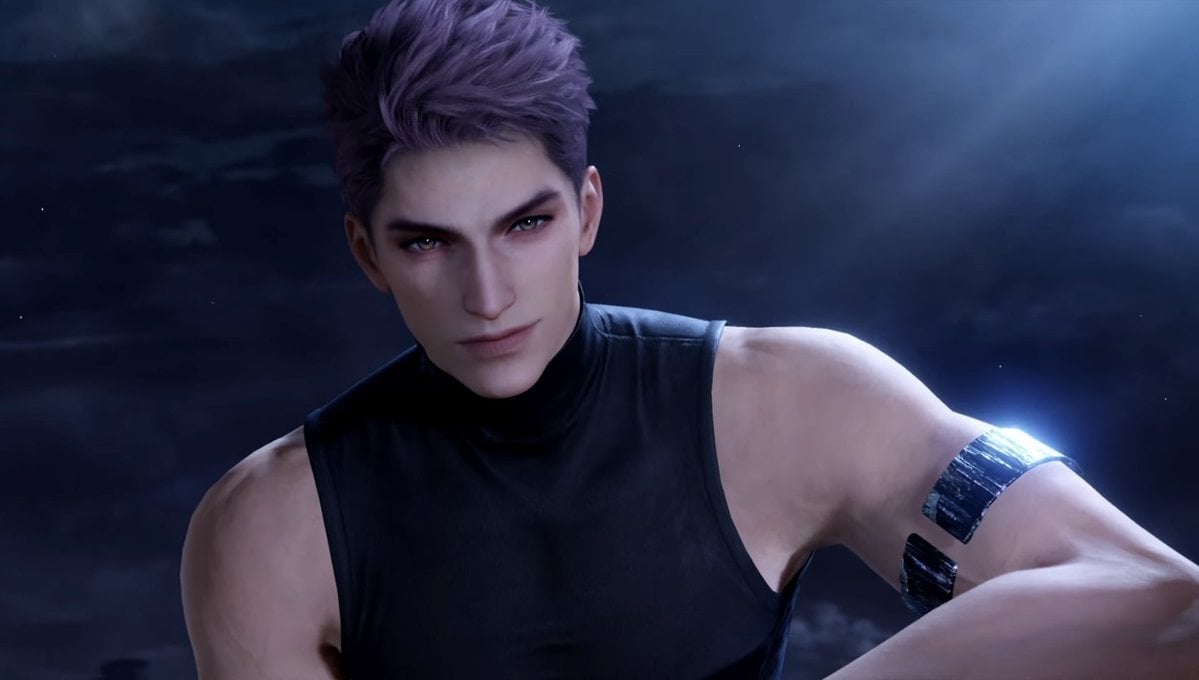
Earlier this year, Papergames announced plans to introduce Valko, a sixth romantic interest characterized as a lycan (werewolf). The character, a hairless man in a tank top, failed to meet the aesthetic standards players had developed through their interactions with existing cast members. Community reception was swift and overwhelmingly negative.
The backlash escalated rapidly beyond typical online complaints. Players’ displeasure proved intense enough that Papergames reversed course entirely, removing Valko from the game and canceling any plot arcs tied to the character. Yet the removal did not end organized fan opposition.
Valko supporters mounted a coordinated international campaign that extended significantly beyond standard social media discourse. Players organized for billboard advertisements promoting the character in various cities and coordinated donations to charitable causes made in Valko’s name. The response represented a demonstration of how organized and resource-committed the game’s community had become—players willing to purchase advertising space and donate to charity over a character design decision.
Managing An Intensely Engaged Community
The Valko episode illuminated a fundamental challenge for Papergames: managing an audience known for extreme reactions and sophisticated organizing capacity. A character deemed insufficiently attractive sparked enough coordinated response that the studio reversed a major design decision. This context directly informed the recipe mishap—a development team attempting to keep pace with engagement expectations while managing a community capable of organizing billboard campaigns over character aesthetics.
When an audience demonstrates that level of investment and organizational power, the pressure to maintain content velocity can override standard safety protocols. Moving quickly to capitalize on engagement opportunities, the social media team shared recipes referencing in-game items without verifying whether those items had real-world toxic counterparts.
The Delayed Safety Notice
By the time Papergames issued its safety clarification, the recipes had circulated widely across social media and within the player community. The studio’s follow-up post stated plainly: “Safety Notice: All drinks shown are fictional and for in-game purposes only. Do not attempt to recreate or consume them in reality.”
The warning felt necessary, though only after community members had already flagged the danger. A responsible promotional campaign would have completed basic fact-checking before publishing recipes containing real plants known for causing hallucinations and severe illness. That this verification apparently never occurred suggests the social media team either lacked access to information about the actual compounds present in the items they were promoting, or moved too quickly to verify.
The incident raised uncomfortable questions about how companies balance rapid content distribution with basic safety verification. Love and Deepspace’s social accounts move quickly, presumably to maintain engagement with the player base that drives revenue. That same pressure to keep publishing content apparently prevented a simple verification that Datura and colchicine-containing plants could not be recommended for recreational consumption.
Revenue Decline And Strategic Challenges
Love and Deepspace entered 2026 as a commercial force in the romance game space, though revenue has declined significantly through the year. The precise causes remain somewhat opaque, but what is clear is that the studio manages a player base with both the resources and organizational will to mount major campaigns over perceived slights.
This context illuminates how the recipe mishap occurred: a company attempting to capitalize on in-game item recognition among highly engaged fans, without considering whether those items had dangerous real-world counterparts. The social media team drew inspiration from the game’s digital world and shared it directly with players, assuming the creative translation from fictional to physical would be harmless.
It was not a deliberate act of negligence, but rather a failure of process. When managing communities this invested and this reactive, basic verification protocols matter. Someone should have checked whether Datura and colchicine-containing flowers could be recommended for consumption before sharing with millions of players.
The Cost Of Moving Too Fast
The apology and safety notice may have prevented actual harm, but only because the community recognized the danger and spoke up before anyone could follow the recipes. A safer approach would have involved preventing the mistake from publication—a single fact-check on the actual botanical ingredients before sharing.
For a studio managing one of the most emotionally invested gaming communities in existence, the cost of moving too fast had become visible. Players organize over character design decisions. They purchase billboard advertisements. They coordinate charitable donations in protest. That level of engagement requires careful stewardship, not just rapid content publication. The recipe incident served as a visible reminder that community management demands verification at every step.
Source: Kotaku
Frequently Asked Questions
What poisonous plants were in the cocktail recipes?
Datura, a psychoactive plant known for causing hallucinations, was featured in Fiendyblobbu. Artsyblobbu included flame lily, which contains high concentrations of colchicine and causes severe gastrointestinal distress.
Why did Papergames remove the character Valko?
Players organized a coordinated boycott after Papergames announced a sixth romantic interest, a hairless man in a tank top that the community deemed insufficiently attractive. The backlash escalated to include billboard advertisements and charitable donations in Valko's name, ultimately forcing the studio to reverse the character's introduction.
When did the safety notice appear?
Papergames posted the safety clarification a day after the community began flagging the danger of the recipes, stating: "All drinks shown are fictional and for in-game purposes only. Do not attempt to recreate or consume them in reality."
