
Key takeaways
- Cookie's Bustle, a surreal 1999 Japanese point-and-click game, celebrated its 25th anniversary with a secret Tokyo event exclusively for players who registered with the game in 1999.
- The game survived a years-long copyright assault by Brandon White that used DMCA takedowns to erase it from the internet until the Video Game History Foundation defeated the legal claims in March 2026.
- The game's message to attendees hinted that its 25-year dormancy since discontinuation in 2001 is coming to an end, though no announcements about rereleases or sequels were made.
A quarter-century has passed since Cookie’s Bustle first emerged into the world, and the obscure Japanese point-and-click adventure is finally waking from what organizers are calling a “long hibernation.” This year marked a turning point for the 1999 game on two fronts: the passage of 25 years since its original release and the resolution of a years-long copyright dispute that had threatened to erase the game from digital history. Last Friday, these milestones converged in Tokyo at a secret gathering that welcomed back the game’s most dedicated players.
A Bear-Girl’s Journey to an Alien Island
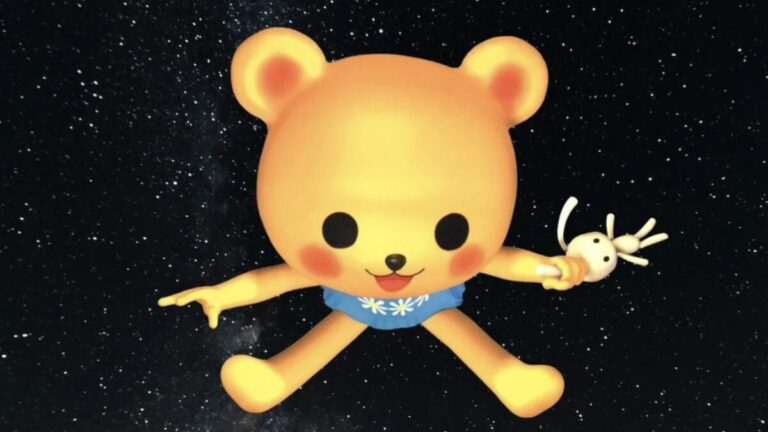
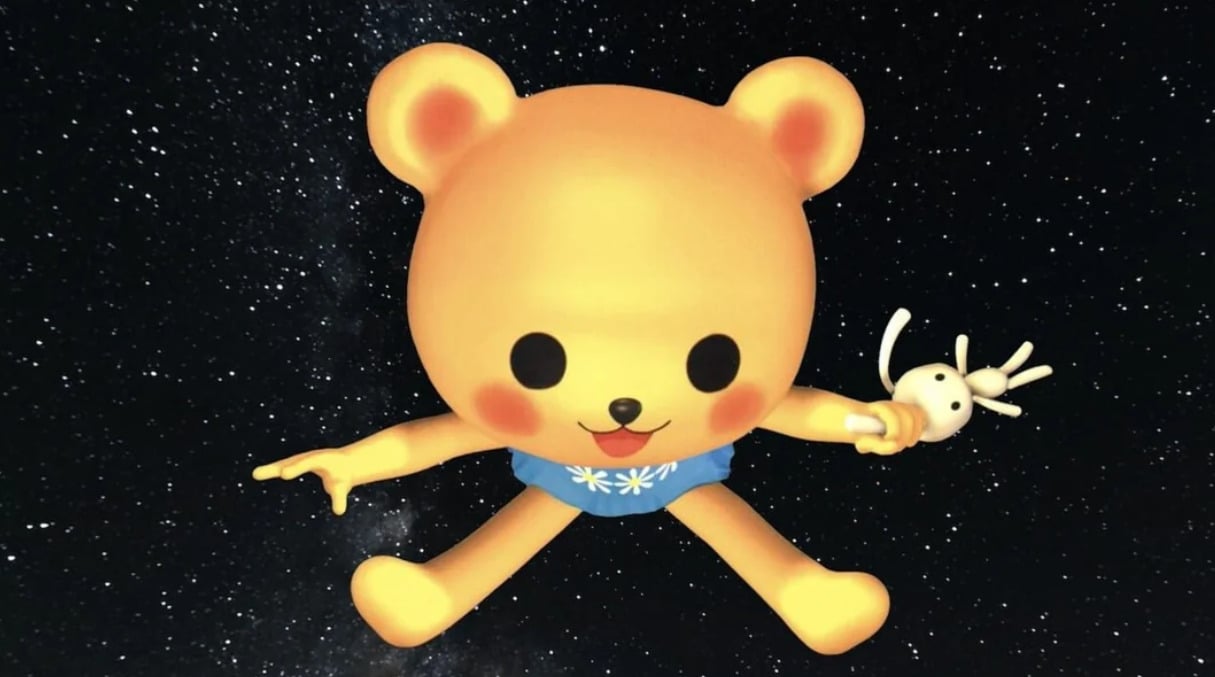
Cookie’s Bustle: Mysterious Bombo World is the kind of game that confounds easy description. Released in 1999, it follows Cookie, a Jersey girl who harbors the conviction that she is a bear, as she travels to a remote island nation established by space aliens. Once there, Cookie becomes entangled in the island’s athletic competitions, only to find herself swept into a violent revolution—rendered throughout in what Kotaku characterized as a cutely surreal aesthetic.
The game’s protagonist embodies the game’s off-kilter sensibility: a woman convinced of her own animal nature, navigating scenarios equally bizarre. This tone permeates the title’s entire design, from its premise to its moment-to-moment gameplay, creating the kind of experience that lingers in the memory as much for what it is as for how unusual it is.
Japanese PC Gaming’s Obscure Ecosystem
Understanding Cookie’s Bustle requires understanding the ecosystem from which it emerged. Japan’s PC gaming scene in the 1990s bore little resemblance to either the console industry that dominated domestically or the PC gaming infrastructure developing overseas. Titles developed for the Japanese computer market existed in a microcosm, rarely exported and increasingly difficult to locate as decades pass and digital storefronts became the primary distribution channel.
Cookie’s Bustle never achieved mainstream recognition, even by niche standards. Yet it became part of a lineage of forgotten Japanese PC games that have attracted devoted followings precisely because of their obscurity. Games like Garage: Bad Dream Adventure, Zeddas, and Cosmology of Kyoto occupy similar territory, pursued by collectors and gaming historians who recognize them as irreplaceable artifacts of a specific time and place in interactive media.
The Copyright Battle That Almost Erased a Game
Brandon White’s Campaign Against Digital Preservation
Cookie’s Bustle’s relative anonymity might have protected it from conflict, but instead the game became a flashpoint for copyright disputes unrelated to its original creators. An individual named Brandon White launched what amounted to a systematic effort to remove the game from the internet. Content hosted on the ClassicsOfGame YouTube channel documenting Cookie’s Bustle began disappearing, taken down through DMCA claims that appeared designed to eliminate the game’s digital footprint entirely.
The Video Game History Foundation’s Intervention
As the takedowns accumulated, efforts to locate the game’s creator, Keisuke Harigai, proved unsuccessful. The situation shifted when the Video Game History Foundation intervened in the dispute, using legal action to counter White’s claims. In March of this year, the foundation’s efforts succeeded in neutralizing what observers referred to as a patent troll operation, restoring content and defending the game’s place in the historical record.
Justice for Preservation
This legal victory did more than simply restore videos to the internet. It reaffirmed a principle increasingly recognized within the gaming industry: that games—especially obscure, culturally specific titles—merit protection as historical documents and cultural artifacts, independent of any single party’s claims to intellectual property.
A Secret Gathering in Tokyo
The Event’s Exclusive Attendee List
The invitation to Friday’s Tokyo event came as a surprise to those who had maintained their connection to Cookie’s Bustle across the decades. The gathering, organized by QualityTime Consulting, a Japanese technology firm founded in 2006, went to select players: specifically, those who had submitted registration cards when the game launched in 1999. The event itself was described variously as a “25th secret event” (according to merchandise distributed) and a “time capsule event,” framing it as a reunion with the game’s past.
What Happened at the Party
Attendees experienced a carefully curated celebration that brought Cookie’s world into physical space. Live musicians performed music from the game, exclusive merchandise was distributed, and someone was dressed in a Cookie costume. The event even provided cookies shaped to resemble the game’s protagonist—a small but deliberate touch that acknowledged the playfulness embedded in the game’s design.
Secrecy and Leaks
Despite organizers reportedly instructing attendees not to photograph the event, word of the gathering traveled beyond Tokyo, suggesting that the “secret” nature of the party was more ceremonial than absolute. The restrictions on coverage hint at intentional exclusivity—an effort to make those original 1999 registrants feel recognized and valued after a quarter-century.
What Comes Next
The invitation letter to attendees spoke of Cookie and her companion Gray the rabbit emerging from their long dormancy. The game was discontinued in 2001, and for the subsequent 25 years it remained inaccessible through official channels, its legacy maintained entirely by collectors and enthusiasts. The framing of the secret party as a milestone before this “long hibernation” comes to an end suggests something is changing.
Attendees reported no announcements of rereleases, remasters, or sequels at the Friday event. QualityTime Consulting’s relationship to Cookie’s Bustle remains unclear; searching through archived records of the company’s website has not revealed obvious connections to the original development. Yet someone within the organization had access to nearly three decades of registration data, implying a connection to the game’s history that has not been publicly explained.
For now, Cookie’s Bustle remains where it has been since the early 2000s: inaccessible through mainstream channels, preserved by those dedicated enough to track down physical copies and emulation. The secret party served as a message to those original players that someone remembers, and that something waits on the other side of the hibernation. What form that awakening will take, and whether QualityTime Consulting is merely organizing a nostalgia event or laying groundwork for a larger revival, remains unknown.
Frequently Asked Questions
When was Cookie's Bustle: Mysterious Bombo World released?
The game was released in 1999. It follows Cookie, a Jersey girl who believes she is a bear, as she travels to a remote island founded by space aliens to compete in athletic games before being caught up in a violent revolution.
Who was Brandon White and what did he do to the game?
Brandon White used DMCA takedown claims to systematically remove Cookie's Bustle content from the internet, including videos from the ClassicsOfGame YouTube channel. The Video Game History Foundation defeated his legal claims in March 2026, restoring the content and protecting the game's digital preservation.
Who was invited to the secret anniversary party in Tokyo?
The event, organized by QualityTime Consulting, was exclusive to players who had submitted registration cards when Cookie's Bustle launched in 1999. The gathering featured live musicians performing game music, exclusive merchandise, and commemorative cookies shaped like the game's protagonist.
