
Key takeaways
- Marvel Rivals operates as a free-to-play, third-person, team-based hero shooter developed and published by NetEase Games in collaboration with Marvel Games.
- The gaming community’s response to the Seaside Sentinel skin has proven decidedly mixed, with players expressing diverse perspectives on the design’s appropriateness and artistic merit.
- The Captain America skin controversy emerges during a complex period in Marvel Rivals’ commercial lifecycle.
- The reception to the Seaside Sentinel skin will likely influence how NetEase approaches future cosmetic releases, particularly those targeting major holidays or patriotic themes.
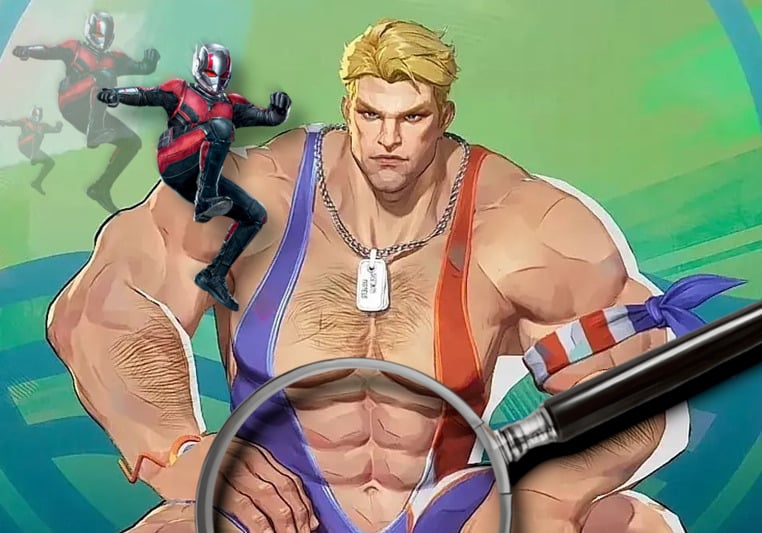
NetEase Games released a Fourth of July swimsuit skin for Captain America in Marvel Rivals called “Seaside Sentinel,” featuring an exaggerated design that has ignited debate across the gaming community about character aesthetics and creative direction. The outfit, which includes a “very, very tight mankini” and an “inflatable ducky shield,” arrived as part of the free-to-play hero shooter’s summer cosmetic lineup, immediately sparking speculation about whether the design was intentional or a development error. IGN confirmed that the outfit and all of its contents are indeed very real and available for purchase through the Marvel Rivals store, settling questions about its legitimacy.
The Seaside Sentinel Controversy Takes Center Stage
The Captain America skin’s exaggerated proportions immediately drew comparisons to infamous comic book artwork, with players noting that the character design appears almost like an accurate recreation of Rob Liefeld’s notoriously exaggerated drawing style. Many fans initially believed the skin was a fan-made mod rather than an official NetEase release, given the extreme nature of the character’s bulk and the comedic nature of the inflatable ducky shield. The design choice proved so striking that it dominated social media discourse during the Fourth of July holiday period, with players questioning whether such an intentional aesthetic direction represented a deliberate creative statement or a misstep by the development team.
NetEase Games explicitly promoted the outfit as a “USA summer makeover” for Steve Rogers, framing the skin within the patriotic context of Independence Day celebrations. The skin became purchasable through the Marvel Rivals in-game store as part of the game’s cosmetic monetization system, which generates revenue through optional character appearance modifications and battle passes. The timing of the release—coinciding with American national pride celebrations—added another layer to the community conversation, with players debating whether the exaggerated design undermined or enhanced the patriotic messaging.
The Broader Context of Marvel Rivals’ Commercial Strategy
Marvel Rivals operates as a free-to-play, third-person, team-based hero shooter developed and published by NetEase Games in collaboration with Marvel Games. The game launched on December 6, 2024, across PlayStation 5, Windows PC, and Xbox Series X/S, with a PlayStation 4 version arriving on September 12, 2025, and a Nintendo Switch 2 version currently in development. The cosmetic skin controversy arrives as the game continues its aggressive content expansion strategy, having achieved 20 million players within its first 10 days of launch and maintaining a substantial active player base across multiple platforms.
The skin release reflects NetEase’s ongoing efforts to drive revenue through cosmetic sales during a period of both growth and consolidation for the title. Following the launch of Deadpool in Season 6, Marvel Rivals reached 200,000 concurrent players, marking an increase from Season 5’s 160,000 and representing the game’s highest concurrent player count in the last eight months. This growth trajectory demonstrates that despite fluctuations in player engagement, the game remains a viable commercial property worthy of continued investment in new heroes, seasonal content, and cosmetic offerings like the controversial Captain America skin.
Player Reactions Highlight Broader Design Conversations
The gaming community’s response to the Seaside Sentinel skin has proven decidedly mixed, with players expressing diverse perspectives on the design’s appropriateness and artistic merit. Social media discourse has highlighted the irony that when female heroes receive exaggerated character designs, the community frequently criticizes such choices as objectifying or catering to the male gaze, whereas Captain America’s equally exaggerated design has been met with a notably different tone—often characterized by humor and acceptance. This disparity has sparked conversations about double standards in how the gaming industry and player base evaluate character aesthetics across gender lines.
Some players have embraced the skin as a humorous, self-aware design choice that acknowledges the absurdist traditions of comic book art, while others view it as a sign that NetEase is prioritizing shock value and comedic appeal over thoughtful character representation. The debate extends beyond simple aesthetic preferences, touching on fundamental questions about how game developers should approach character design, the role of cosmetics in shaping player perception of heroes, and whether deliberately exaggerated designs strengthen or diminish the appeal of beloved Marvel characters. These conversations have rippled across forums, streaming platforms, and social media, cementing the skin as more than a cosmetic item—it has become a cultural touchstone for broader discussions about representation and design philosophy in modern gaming.
Marvel Rivals’ Launch Success and Recent Development Challenges
The Captain America skin controversy emerges during a complex period in Marvel Rivals’ commercial lifecycle. The game achieved an all-time peak of 644,269 concurrent players on Steam on January 11, 2025, establishing itself as a major competitor in the hero shooter space. However, subsequent reports indicated that active player counts dropped by 77 percent from that peak, though recent data from January 2026 shows a rebound to concurrent peaks of 199,788, demonstrating resilience and renewed engagement driven by new character releases.
Behind the scenes, NetEase Games confirmed in February 2025 that a number of Marvel Rivals developers based in Seattle were laid off to “optimise development efficiency.” This internal restructuring provides context for understanding the development team’s current capacity and priorities, including decisions about which cosmetics to greenlight and which characters to develop. The game’s roster currently features 51 characters across a 6v6 team-based competitive format, with Captain America classified as a “Vanguard” dive tank hero designed to excel at engaging enemies and retreating from combat—a role that, thematically, might justify bulkier character designs, even if the specific execution remains controversial.
What to Watch as Marvel Rivals Continues Its Seasonal Roadmap
The reception to the Seaside Sentinel skin will likely influence how NetEase approaches future cosmetic releases, particularly those targeting major holidays or patriotic themes. Players should monitor upcoming seasonal content announcements to determine whether the developer doubles down on exaggerated, comedic designs or pivots toward more traditional aesthetic approaches based on community feedback. Additionally, the game’s ongoing character roster expansion—with new heroes like Deadpool driving recent player growth—will reveal whether cosmetics remain a primary revenue driver alongside battle pass sales and new character releases.
The Captain America skin debate serves as a microcosm of larger conversations happening throughout the gaming industry about character design, representation, and the relationship between cosmetic monetization and player satisfaction. As Marvel Rivals continues its competitive journey against established hero shooters, how the development team balances creative expression, commercial viability, and community expectations will significantly shape the game’s reputation and long-term player retention. The Fourth of July controversy has demonstrated that even cosmetic choices carry weight in shaping player perception and community discourse around a game’s direction.
