
Key takeaways
- Wolverine is the only playable character, eliminating the alternate-character segments that disrupted pacing in Spider-Man games.
- The story occurs before the X-Men formed, with Logan as part of Team X led by Nathaniel Essex, voiced by Troy Baker.
- Combat is satisfying but less varied than Spider-Man's options, focusing on claws and rage rather than creative environmental interaction.
- Nightmare Doors optional challenges let players unlock Logan's past secrets and memories through timed platforming and combat encounters.
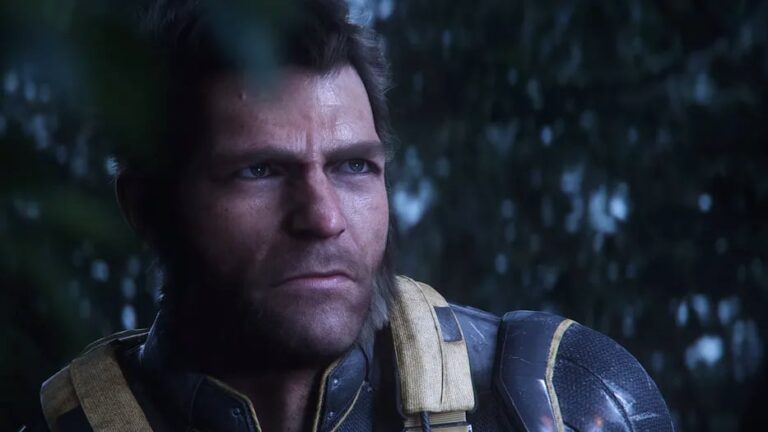
Marvel’s Wolverine arrives on PlayStation 5 in September 2025, and multiple gaming outlets have already gone hands-on with Insomniac Games’ superhero action title. The previews reveal crucial details about how the studio is approaching Logan’s solo adventure, from narrative structure to combat design. Here are the most significant discoveries from the preview coverage ahead of the September 15 launch.
Logan Stands Alone as the Only Playable Character
One of the clearest departures from Insomniac’s Spider-Man formula involves removing alternate playable characters. The studio confirmed to GamesRadar+ that Wolverine maintains focus exclusively on Logan throughout the campaign. This decision directly addresses criticism leveled at the Spider-Man games, where segments controlling Mary Jane disrupted momentum and broke up the core action gameplay.
By committing to a single protagonist, Insomniac appears determined to avoid the pacing issues that plagued those earlier titles. The choice signals confidence in the character’s appeal and the game’s core mechanics, rather than relying on character rotation to provide variety.
Team X: A Story Before the X-Men Existed
Pre-X-Men Timeline and Cast
The narrative takes place before the X-Men as an organized team ever formed, fundamentally reshaping the familiar superhero mythology. While X-Men mainstays like Jean Grey, Mystique, and Sabretooth appear in the game, their presence occurs within a different context than comic readers typically expect.
This timeline choice means major X-Men figures like Charles Xavier and Magneto will not dominate the philosophical landscape of the story. Cyclops won’t be rallying anyone with his iconic rallying cry. Instead, Logan operates as part of Team X, a faction established by Nathaniel Essex, a character whose comic book history positions him as the villain known as Mister Sinister.
Nathaniel Essex’s Unexpected Role
Troy Baker, known for roles in The Last of Us and Indiana Jones projects, voices Nathaniel Essex. The character initially presents as an ally rather than an antagonist, having assembled Team X with Mystique, Sabretooth, and Logan under his leadership. GameSpot’s Tamoor Hussain described a striking opening scene where a calm, experienced figure rescues a feral Logan from the wilderness, with many assuming that figure was Charles Xavier before the reveal.
Whether Essex maintains this alliance throughout the story remains ambiguous from the previews. GamesRadar+’s Dustin Bailey speculates that a heel turn mirrors Insomniac’s approach with Otto Octavius in the 2018 Spider-Man game, where the villain’s transformation unfolded gradually across the campaign.

Combat Design: Satisfying But Limited in Variety
The Healing and Berserker Formula
Logan’s adamantium claws, rage-fueled strength, and regenerative abilities form the core of the combat system. These tools excel at carving through enemy groups and absorbing damage, creating visceral encounters that capture Wolverine’s fighting identity. The fundamental mechanics provide solid, responsive action that rewards aggressive play.
Comparison to Spider-Man’s Creative Options
Preview critics, however, note that Wolverine’s combat feels more straightforward than Spider-Man’s arsenal. IGN’s Mitchell Saltzman wrote extensively about this comparison, explaining that Spider-Man combat allowed for creative experimentation beyond optimal strategy. Players could bounce off walls, mantle over enemies, slide beneath them, web adversaries, steal weapons, swing enemies around, launch aerial combos, and juggle opponents through the environment.
In contrast, Wolverine “mostly just angrily stabs things,” according to Saltzman, though he acknowledged the character does what he does extremely well. The preview did not fully reveal how skill trees and progression unlock additional combat tools that might expand this perceived limitation. IGN suggests the skill tree could introduce more varied approaches to encounters, but the extent of this additional player expression remains unclear before launch.
Exploration and Quieter Character Moments
The preview sections balanced action with a distinctly different gameplay tone during exploration segments. Logan wanders through Lowtown, described as a safe haven where mutants congregate, rather than a constant combat gauntlet. In this environment, he engages in conversations with fellow mutants, participates in arm wrestling with Sabretooth, and plays Never Have I Ever with Mystique.
IGN highlighted this section as surprisingly engaging, calling it their favorite stretch of the demo despite its quiet, subdued nature compared to combat sequences. The segment included Easter eggs tucked throughout the environment and a sense of genuine character interaction absent from the action-focused portions. The preview team expressed hope that the final game includes more moments like this to deepen understanding of the characters inhabiting the world.
A Wolverine-Focused Narrative Strategy
Why the X-Men Cannot Exist Yet
Creative Director Marcus Smith explained to VGC that starting the story before the X-Men formed was essential to keeping focus on Wolverine himself. As Smith noted, the moment you introduce the X-Men’s “giant personalities,” the narrative oxygen gets consumed by their presence. Without that constraint, it becomes an ensemble piece rather than a Wolverine game.
The team began with what Smith called “greatest hits”—iconic locations and characters synonymous with Wolverine—then constructed a narrative arc around Logan’s self-discovery. Characters Insomniac wanted to include were deliberately removed during development if they didn’t serve the core story about Logan learning and growing through interactions with others.
Selective Character Selection
Not every character in Wolverine’s comic history makes the cut. The team prioritized which characters could facilitate Logan’s learning about his past and current predicament, ensuring everything served the protagonist’s arc above all else. This deliberate curation distinguishes the game from ensemble X-Men projects where multiple viewpoints compete for screen time.
Unlocking Wolverine’s Tortured Past
Wolverine’s psychology features prominently, with the game exploring his dark secrets and internal conflicts. Rather than revealing all of this through the main narrative, Insomniac implemented Nightmare Doors, described as physical manifestations of Logan attempting to understand what occurs in his “crazy brain,” as Game Director Mike Daly told VGC.
These timed combat and platforming challenges function as optional, player-driven content that unlocks memories from Wolverine’s past. Completing them provides lore drops and an extra layer of narrative depth beyond the cinematics, allowing players to uncover secrets at their own pace. This approach lets the main story progress without forcing exposition while rewarding exploration-minded players with additional context and character development.
Marvel’s Wolverine launches on PlayStation 5 on September 15, 2025. The preview coverage suggests a focused, character-driven action game that learns from Insomniac’s previous superhero efforts while charting its own path through the mutant’s mythology.
Frequently Asked Questions
When does Marvel's Wolverine release?
Marvel's Wolverine launches on PlayStation 5 on September 15, 2025.
Who voices Nathaniel Essex in the game?
Troy Baker, known for his roles in The Last of Us and Indiana Jones projects, voices Nathaniel Essex.
Are other X-Men like Charles Xavier in the game?
The game takes place before the X-Men formed as a team, so Charles Xavier and other major X-Men figures are not central to the story. Jean Grey, Mystique, and Sabretooth do appear, but within a pre-X-Men context called Team X.
